

The key to reducing fraud in world trade
Blockchain technology can help put an end to the problem of commodities paper documentation.
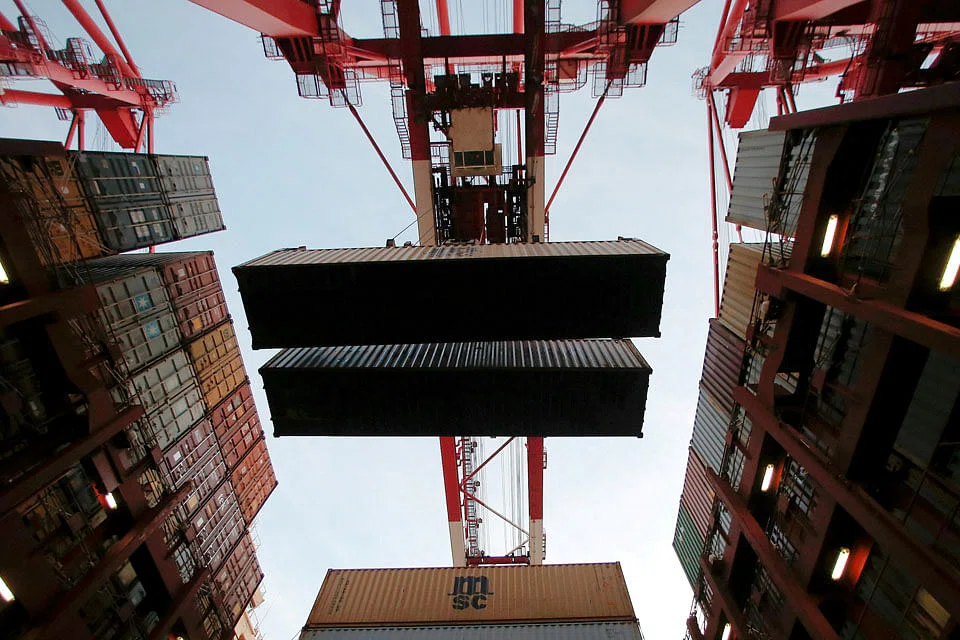
THE wheels of trade finance have moved on paper documentation for more than 600 years. As a commodities lawyer, I often have the unenviable task of assisting those who have become victims of trade documents that are fictitious or have been misused. These paper documents, such as warehouse receipts for goods stored in warehouses or bills of ladings for those transported on ships, accompanied with invoices, are essential documents to legitimise physical assets.
In the trading world, these paper documents represent receivables which are monetised by traders seeking financing. In no other industry does a piece of paper carry such weight and for a fraudster, such opportunity to receive payment illegitimately.
Paper documents can be copied, forged or misused to create "double financing" or phantom trades. The cases we work on involving trade fraud are not confined to any particular trend or type of commodities but share one common theme. The problem arises from an information gap between parties sited in different parts of the world, with fragmented interactions and poor visibility on the goods which might not move in tandem with their title documents.
TRENDING NOW

Once staunchly pro-China, Malaysian Chinese businesses are now distancing themselves from Beijing

Britain’s mansion tax shows the difficulty of targeting wealth

Three hats, one goal: How Ng Kian Swan runs sustainability at NUHS
COE review: The gap between luxury and mass-market cars isn’t the only one worth bridging

