LNG bunkering cooperation enhances partnership between Singapore and Japan
It also has the potential to greatly strengthen the two countries' positions as major maritime hubs in the future.
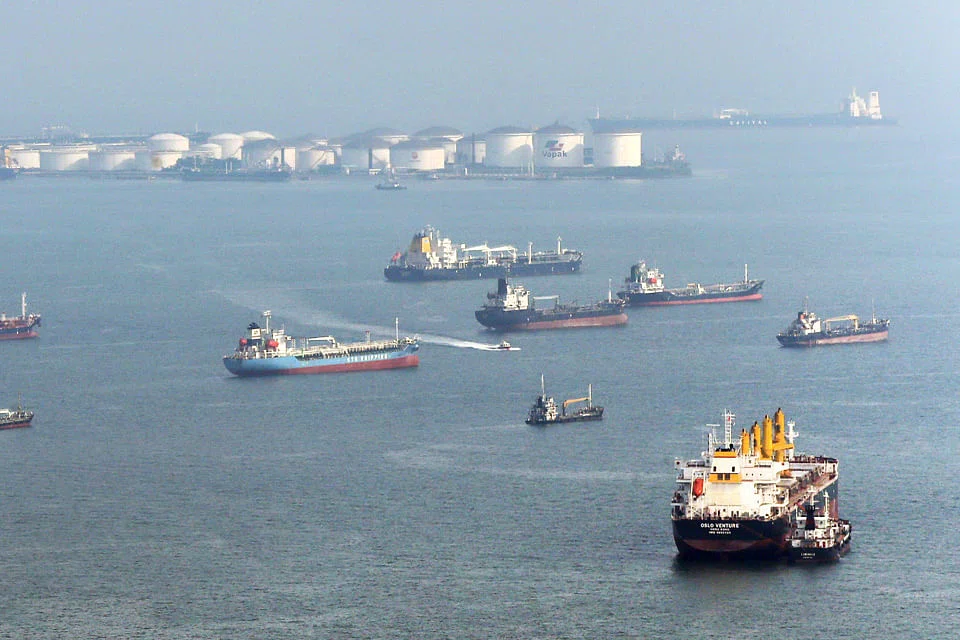
JAPAN and Singapore are currently jointly working on liquefied natural gas (LNG) bunkering - the process of transferring LNG to a ship for use as fuel. I believe that this cooperation not only further enhances the close partnership between Japan and Singapore in the field of international shipping, but also has the potential to greatly strengthen the two countries' positions as major maritime hubs in the future.
In accordance with the agreement reached at the Japan-Singapore Summit Meeting of 2016, the first-ever Bilateral High-level Comprehensive Talks on Land-Sea-Air Transport and Infrastructure Collaboration was launched last year between the two governments. This marks a new epoch in further advancing cooperation by addressing and discussing in a comprehensive manner transport and infrastructure-related issues in all three areas - land, sea and air. An important pillar in the "sea" area is LNG bunkering. Our idea is that Japan and Singapore - being the "hub of North-east Asia" and "hub of South-east Asia" respectively - can cooperate and become what we can call "Asia's Twin Hubs".
LNG bunkering is a relatively new sector, and the possibility of its wider commercial use is gaining attention from the maritime community, against the backdrop that international regulations on vessel emissions have been tightened due to environmental considerations. It is expected that the industry will likely see a shift from traditional heavy oil to LNG for ship fuel in the coming years. Therefore, while LNG bunkering is still at a nascent stage, I believe that now is probably the time for major maritime nations to intensively allocate due resources to this important and promising sector. In this sense, I think that Japan and Singapore are natural partners.