

Making the most of Asia’s philanthropy moment
With a new generation of innovators increasingly committed to global philanthropy, Asia is positioned to bend the arc of global development for the better
 Add BT as a preferred source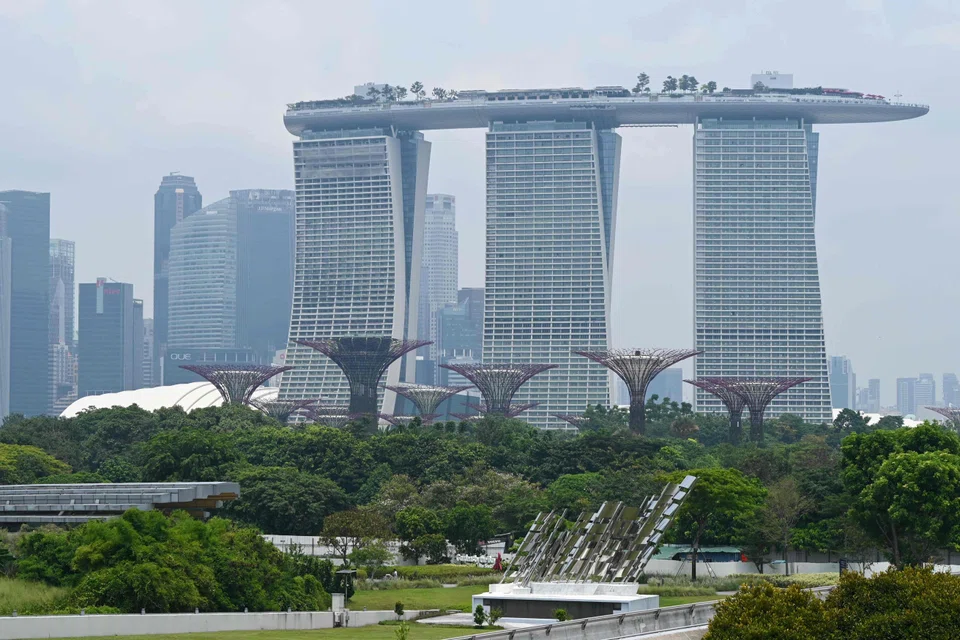
DeeperDive is a beta AI feature. Refer to full articles for the facts.
AS SOMEONE who works in the field of international development at the Bill & Melinda Gates Foundation, one of my most frequent frustrations is combatting the notion that global health and development programmes somehow don’t work, and that countries are doomed to languish in poverty indefinitely. Fortunately, my secret weapon in addressing these sceptics is a powerful one: Asia.
No region of the world has become richer faster and improved the lives of people in a more enduring fashion than Asia since 1960.
Former recipients of foreign aid in the region have become important donors and incubators of new technologies and approaches that are driving South-South cooperation on everything, from drought-resistant rice varieties to digital systems that are giving millions of people access to financial services for the first time.
Successful health and development programmes in Asia, which have done so much to drive prosperity, have also spurred more private wealth and a surge in private philanthropy as well.
That is why I was delighted to attend the annual Philanthropy Asia Summit recently in Singapore, because I firmly believe that Asia is positioned to unleash the power of private philanthropy in the biggest development in giving since the entry of Bill Gates, Melinda French Gates and Warren Buffett into the global philanthropy scene some two decades ago.
When you are committed to expanding philanthropic giving, you have to look at Asia. Asia is expected to experience the most rapid growth of ultra-high-net-worth individuals from 2021 to 2026 (an increase of more than 30 per cent), and we are incredibly excited about the energy, enthusiasm and commitment to generosity and innovation that this new generation of donors can bring to the table.
Navigate Asia in
a new global order
Get the insights delivered to your inbox.
It is no accident that places such as Singapore and Hong Kong are becoming such important centres for philanthropy among this new generation of givers. Singapore not only hosts the Philanthropy Summit organised by the Philanthropy Asia Alliance, but is also home to Temasek Trust, Asia Community Foundation, and the Asia Philanthropy Circle.
The Philanthropy Asia Alliance recently announced that it has already received more than US$777 million in pledges from more than 80 members across the globe.
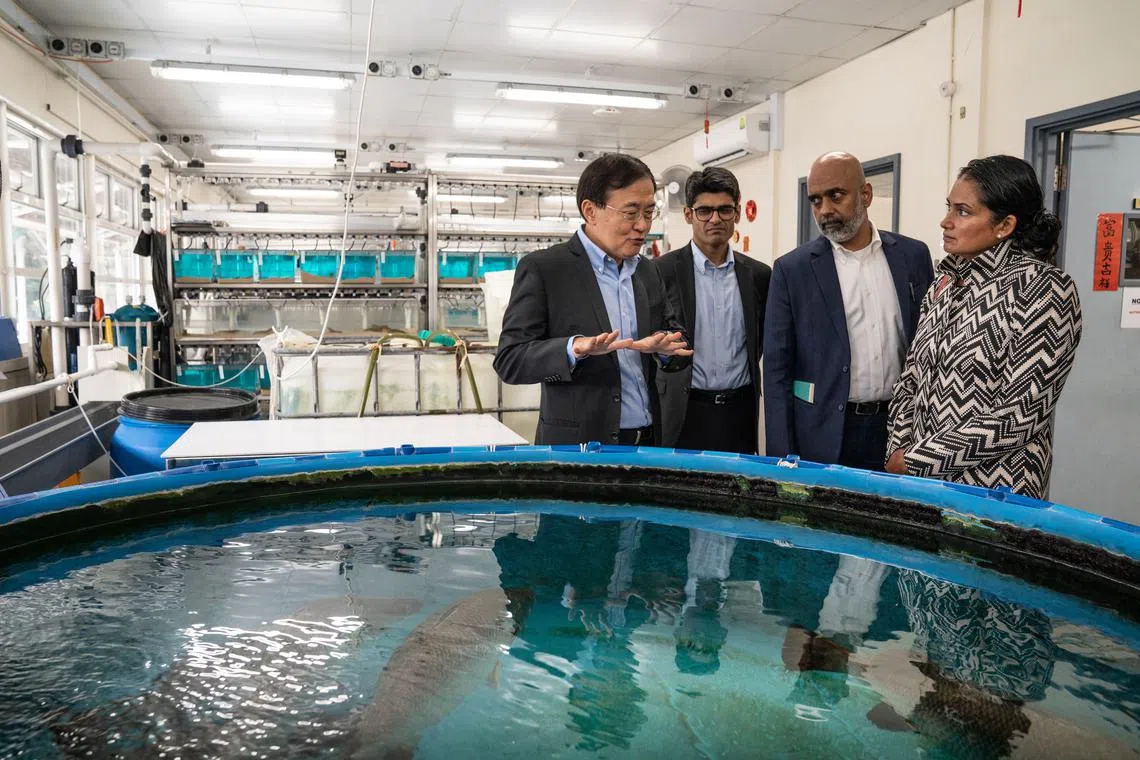
The Singapore government has taken numerous steps to make the country an attractive hub for family offices and regional dialogues about effective, leading-edge philanthropy. Similarly, in Hong Kong, the chairman of the Hong Kong Jockey Club announced that the organisation would be funding the establishment of a philanthropic research institute to further advance the professionalism and research base for giving.
What we are now seeing is Asia for Asia, and Asia for the world. The new philanthropic movement in Asia is about harnessing the remarkable capabilities in the region, such as strong universities, first-rate research institutions, and vibrant technological platforms to advance the Sustainable Development Goals (SDGs) in the region and beyond.
There are many philanthropists across the region doing good work. I can say from personal experience that many of these family foundations make us at the Gates Foundation – as global philanthropists – more effective.
For example, our partnerships with Asian foundations working on women’s economic empowerment in India, stunting in Indonesia, and livelihoods in the poorest parts of Nepal are great examples of how we aren’t only seeing more philanthropy, but also more high-quality, strategic philanthropy.
It’s our hope that across Asia, we will see more of the region’s wealthiest embracing the Giving Pledge. First launched in August 2010, the pledge is a commitment by signatories to give away the majority of their wealth during their lifetimes or in their wills. While originally focused on the US, the Giving Pledge has now attracted interest from private donors around the world, with 241 pledgers from 29 countries – ranging from those in their 30s to 90s – signing on.
But it isn’t just the impact of wealthy donors that is making a difference in Asia. Across the region, we are seeing the importance of middle-class giving to charitable causes. For example, Tencent’s 99 Giving Day, held every September in China, now generates more than US$600 million annually in contributions from some 56 million people, highlighting the power of people-to-people connections in promoting common prosperity.
We fully expect this emerging generation of donors in Asia – both large and small – to bring new insights and approaches to the table from their own lived experiences. Making that sense of innovation and entrepreneurial spirit work for the poor is much in need as we take on a new generation of challenges, ranging from the impact of climate change to pursuing the SDGs.
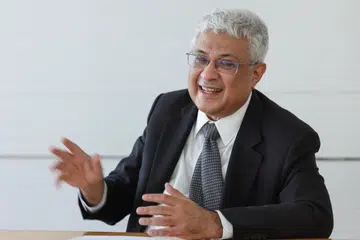
The writer is president of the global policy and advocacy division at the Bill & Melinda Gates Foundation
Decoding Asia newsletter: your guide to navigating Asia in a new global order. Sign up here to get Decoding Asia newsletter. Delivered to your inbox. Free.
Copyright SPH Media. All rights reserved.
TRENDING NOW

Vietnam formalises new state leadership, redefining ‘four pillars’ power balance
‘Largest Singapore commercial S-Reit proxy’: analysts say buy CICT shares after Paragon acquisition

From 1MDB to ‘corporate mafia’: Is Malaysia facing a new governance test?
Why where you park your joint venture matters: Lessons from a US$689 million shareholder dispute

