

Markets are ignoring warning signs
Investors today are effectively pricing for a world in which wars, inflation and oil shocks remain manageable
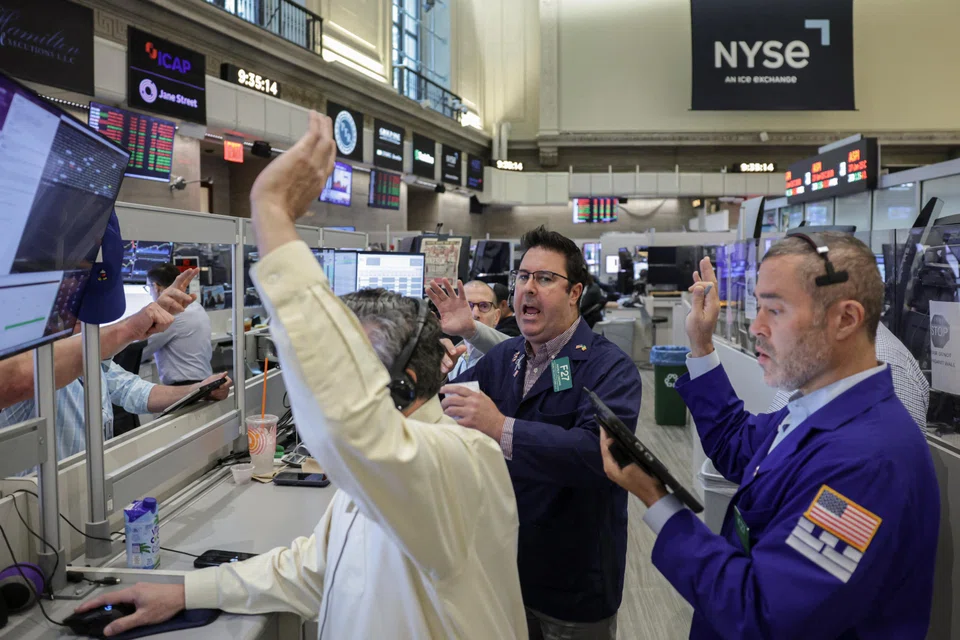
“THE trend is your friend – until the end when it bends” is a well-known market saying about the dangers of complacency and relying on momentum.
Interestingly, it actually fits current market conditions, since trading today is clearly driven by liquidity, momentum and policy optimism despite mounting geopolitical and inflation risks.
Wall Street, for instance, continues climbing to fresh highs despite the ongoing Iran conflict and the very real possibility that sustained high oil prices could reignite inflation.
Markets have been ignoring the fact that historically, surging crude prices and Middle East instability would have rattled investors badly. This suggests that the majority strongly believe that the US Federal Reserve will ultimately step in if conditions deteriorate sharply enough.
This is the “Fed put” mentality that has backstopped stocks for several decades stretching back to the crash of 1987, and continues to provide support whenever trouble hits.
Investors may talk about inflation risks, but many still assume that if growth weakens materially or markets suffer a severe correction, policymakers will eventually print money – possibly in unlimited amounts as was promised during Covid-19 – and slash interest rates, right down to zero.
Given the vast amounts pumped into economies by Western central banks, there is an enormous amount of liquidity in the global financial system.
So it is that artificial intelligence enthusiasm, passive fund flows and institutional buying continue to overpower traditional macroeconomic concerns.
In the US especially, technology and AI-related optimism have become so dominant that geopolitical risks are increasingly viewed as temporary interruptions rather than structural threats.
Notwithstanding last week’s correction, Singapore’s stock market appears to be exhibiting similar behaviour given that the Straits Times Index (STI) has surged to new all-time highs despite mounting global uncertainty.
For years, investors complained that Singapore equities suffered from poor liquidity, weak research coverage and depressed valuations.
In response, the Monetary Authority of Singapore unveiled its Equity Market Development Programme (EQDP), which is aimed squarely at reviving the market. As a result, stocks have soared and liquidity has returned in abundance.
But several other factors are also driving the STI’s rally. Singapore’s banks remain highly profitable and heavily weighted in the index. Higher-for-longer interest rates continue supporting bank margins.
Several other selected blue chips have also enjoyed strong rerating momentum. At the same time, international investors searching for stable, dividend-paying markets increasingly view Singapore as a relative safe haven amid geopolitical uncertainty.
In that sense, the EQDP may have provided the spark, but global liquidity and corporate earnings supplied the fuel.
Macroeconomic backdrop
The bigger concern now is whether markets are becoming complacent.
There is an increasingly visible disconnect between what equities are pricing and what the macroeconomic backdrop suggests. Oil prices at current levels are historically not benign. Sustained energy inflation eventually feeds into transport, manufacturing and consumer prices.
Bond markets already appear more cautious than equity markets. Rising yields suggest fixed-income investors are beginning to worry about persistent inflation and the possibility that interest rates may remain elevated for longer than expected.
Equity investors, meanwhile, are behaving as though liquidity and earnings growth will continue indefinitely. Usually, one side eventually proves wrong.
This does not necessarily mean a correction is imminent. Bull markets often last much longer than sceptics expect. But it does suggest that confidence and policy faith are currently playing a larger role in markets than traditional fundamentals.
Investors today are effectively pricing for a world in which wars, inflation and oil shocks remain manageable. The danger, of course, is what happens if they are not.
TRENDING NOW

If Europe goes to war, the fallout will be felt in East Asia

Indonesia stocks suffer worst plunge in nearly 30 years as MSCI proposes standalone status

China’s market is tougher than ever. Where can Singapore firms still find room to grow?

Nvidia CEO says ties to Singapore firm under spying probe were ‘normal’

