MAS should adopt higher-profile approach to enforcement - being feared is not a bad thing
Perpetrators of the kind of wrongdoing that may have happened at Noble, Hyflux and EHT naturally cultivate willing enablers

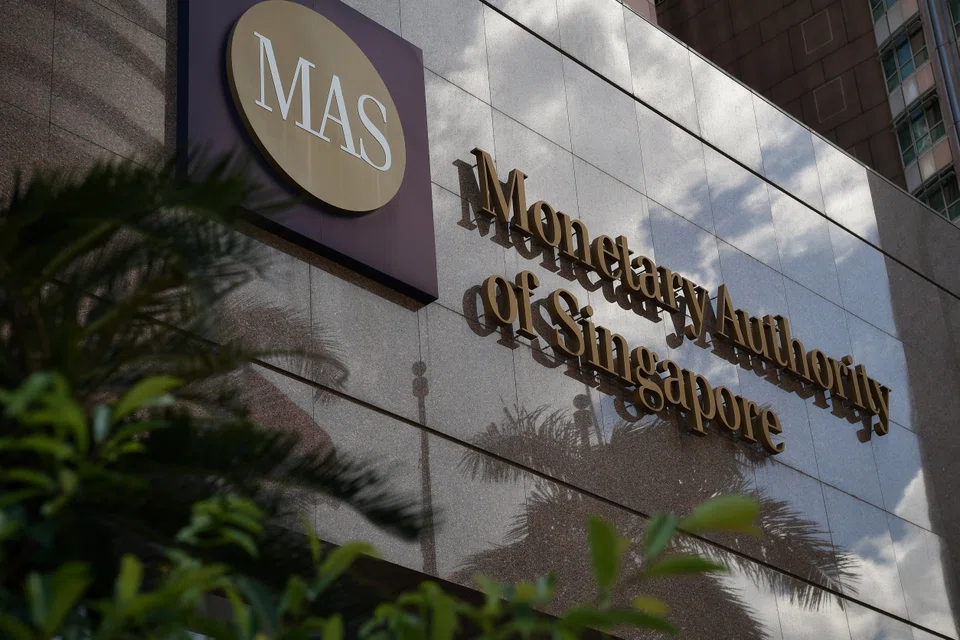
Investors who lost money when Noble Group imploded some years ago might have been heartened to learn this past week that the Monetary Authority of Singapore (MAS) expects investigations into the once-high-flying commodities supplier to reach a conclusion in the third quarter this year.
This welcome piece of news was included in the latest MAS Enforcement Report, under a new section that provides updates on major ongoing cases.
Besides Noble, the report provided updates on 2 other cases related to the local stock market. MAS said it is now working closely with the Attorney-General’s Chambers reviewing evidence in the Hyflux case.
Meanwhile, its investigation into the collapse of Eagle Hospitality Trust (EHT) is still ongoing.
These updates – though rather scant on details – are a helpful reminder from MAS to investors that these cases have not been forgotten. They may also reflect an evolving approach by MAS in handling some of the most complex cases of financial market misconduct.
If the Noble, Hyflux and EHT cases have anything in common, it is that all three of them have cast doubt on whether Singapore has appropriate regulations and enforcement mechanisms to ensure honest dealing in a modern financial market.
They have also raised questions about the effectiveness of independent directors (IDs) and external auditors in protecting the interests of public investors.
To counter this potential mistrust in the integrity of the market, it makes sense for MAS to adopt a more muscular and high-profile approach in handling such cases.
MAS should also publish the outcome of every investigation and enforcement action related to the public-listed companies space.
There should perhaps also be a study of what can be done to ensure that local investors never have to contend with another Noble, Hyflux or EHT again.
Hard to prove
One of the most galling aspects of the biggest market misconduct cases we have seen over the past decade is how long it took for regulators to officially commence an investigation on some of them.
In the case of the penny stock crash of October 2013, regulators were reportedly looking into the activities around the counters within a couple of weeks. But an announcement of an investigation by MAS and the Commercial Affairs Department (CAD) did not come until 6 months after the crash, in April 2014.
In the Noble case, the first report from Iceberg Research alleging the company had been cooking its books emerged in February 2015. But it wasn’t until November 2018 that MAS, CAD and the Accounting and Corporate Regulatory Authority (ACRA) announced they were jointly investigating Noble for suspected false and misleading statements and breaches of disclosure requirements.
To be clear, I am not suggesting that Singapore’s market regulators failed to realise quickly enough that things were going awry at Noble; or that they did not suspect from the outset that the penny stock crash was the result of a massive stock manipulation operation.
Such wrongdoing is simply difficult to prove. In the case of Noble, for instance, the fact that the company’s auditors had signed off on its books was something of a stumbling block for regulators.
When MAS, CAD and ACRA complete their investigations into Noble later this year, many market watchers are likely to be just as interested in learning what has been uncovered as how the whole episode might shape the manner in which regulators deal with similar cases in the future.
Should auditors be pushed to justify questionable accounting practices to investors? Can IDs be relied upon to look into such matters? Or, should it be up to regulators to proactively investigate these cases?
Tough stance necessary
While auditors and IDs ought to be held to account for their part in any wrongdoing, there are practical limits to what can be expected of them when it comes to maintaining the overall integrity of the market.
A company determined to cook its books is unlikely to tolerate auditors or IDs who ask too many questions. By the same token, fastidious auditors and scrupulous IDs are likely to avoid getting involved with companies that are not conducting their affairs properly.
Perpetrators of the kind of wrongdoing that might have happened at Noble, Hyflux and EHT naturally seek out and cultivate willing enablers – from IDs, auditors and corporate finance advisers to investor relations professionals, sell-side analysts and financial journalists.
When such birds of a feather flock together, market regulators have to adopt a tough, questioning and adversarial stance in order to be effective.
This is the key, in my view, to preventing the next Noble, Hyflux or EHT case from happening.
It is perhaps no surprise that MAS has widened its investigation powers over the past decade. Its ability to obtain and review relevant documents and extract data from electronic devices have become crucial to protecting investors and the reputation of the Singapore market.
MAS should now match these widened powers with a higher-profile approach to its enforcement efforts.
While it may have legitimate concerns that its public statements may jeopardise its investigations and negatively affect pending court proceedings, it should weigh these factors against the improved behaviour and greater investor confidence such openness might promote.
Being feared as a regulator is not a bad thing.