

Maximising value from waste
There is a strong case for better management and reporting of waste in business
Lawrence Loh and Quek Qiao Wen
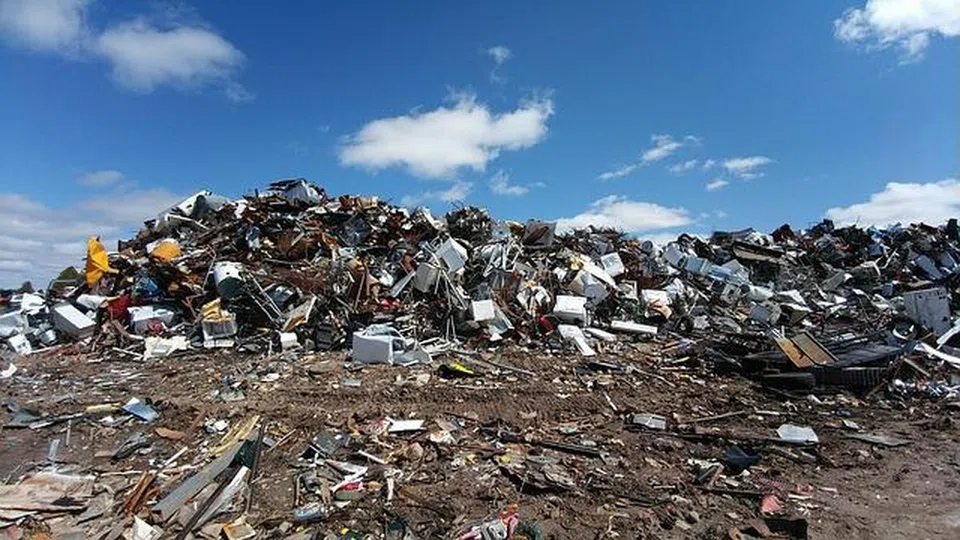
THE first reports under the Mandatory Packaging Reporting scheme, which requires companies to report the amount of packaging used, were submitted to the National Environmental Agency in March this year. The scheme was part of the Zero Waste Masterplan to help Singapore reduce waste and extend the lifespan of its sole landfill, Pulau Semakau.
Sustainability issues like waste and global warming have drawn much attention in recent years. The Singapore Green Plan 2030 launched in 2021 spelt out the direction that our nation is steering towards on sustainable development, supported by legislation and emphasis given on advancing the green transition during the Singapore Budget 2022.
Businesses will need to act to develop their capabilities in corporate sustainability, or risk losing financial support and business opportunities, and could also be caught off-guard by penalties imposed. They will have to embed sustainability strategies into the business model that contribute to a continuous improvement of social, environmental, and economic conditions for both the short and long term.
Managing waste as core part of corporate sustainability
Businesses will have to accord priority in managing waste. This is especially critical as regulatory measures will increasingly be implemented, including the Extended Producer Responsibility framework for packaging waste that is expected to take effect by 2025. Businesses need sufficient knowledge on their waste before operational processes can be designed to fulfil their obligations.
Waste measurement and reporting can be fundamental to identifying opportunities for savings on costs of goods and services. By being aware of the resources invested that end up as waste, businesses would be equipped with the knowledge to challenge and re-evaluate purchasing strategies and decisions, as well as process flows that determine the costs of business. For example, Del Monte Pacific Limited disclosed in its latest FY2021 Sustainability Report that the group generated about US$2.7 million of savings from reducing 3,077 metric tons of packaging materials over the last 10 years.
Reducing waste would lead to cost savings from not having to bear producer responsibility on the waste produced. Decreasing the use of virgin materials and reusing existing resources also help to slow the rate of depletion of our natural resources, which supports the long-term sustenance of business operations.
Businesses with a lack of information or knowledge on waste will lose out, as management of these businesses would not know where they could expend their efforts to improve operational and cost efficiencies. In 2019, a pilot study was conducted within Olam International on the magnitude of loss of rice in the rice value chain. The study identified critical loss points in the value chain, estimated rice value wasted, wasted water and greenhouse gas emissions. Without this information, management would not be able to determine targeted action plans to reduce loss and increase yield.
Increased stakeholder pressure to act
Businesses are also facing increasing pressure and demand from stakeholders to incorporate sustainability strategies into operational plans and deliver sustainable products and services. An HSBC survey in 2021 showed that 80 per cent of Singapore investors believe that sustainable, environmental and ethical issues are important for managing their investments, despite having a gap in their actions. In addition, a 2020 report by Ipsos, a multinational market research and consulting firm, found that Singaporeans expect businesses that produce and/or sell packaged goods to undertake responsibility to reduce the amount of unnecessary packaging in the goods they sell.
Waste measurement and reporting lack attention : study
Our study conducted at the National University of Singapore, which has just been completed, assessed the prevalence and quality of the waste information in sustainability reports of food and beverage (F&B) listed companies in Singapore, identified gaps in the reported information when compared with current governing standards, and provided recommendations to close the gaps and shortcomings.
The results suggest that waste measurement and reporting in sustainability reports is still lacking the attention it needs -- 28 out of 63 listed F&B companies, or 44 per cent, did not mention food and/or packaging waste management as part of their materiality assessments, and 13 out of these 28 companies, or 46 per cent, did not have any disclosures relating to food and/or packaging waste. Waste-related disclosures amongst listed companies in the F&B sector have also been found to be inadequate.
Why waste reporting in sustainability reports should be improved
Waste reporting across the value chain should be made, as it encourages businesses to view the waste impacts of the entire product lifecycle and enable businesses to determine opportunities to innovate and rethink processes, in addition to reducing, reusing or preventing waste. This includes working with suppliers and customers to come up with solutions to achieve cost efficiencies and mitigate waste impact.
In our study, gaps have also been found in the reporting of scope of waste, processes and methods used to collect and monitor waste-related data, as well as performance against targets and monitoring measures to track progress.
With a lack of scope reported, there is ambiguity in the boundaries of waste that is being tracked, including waste categories, lifecycle stages, geography and related entities that are relevant. A clearly defined scope is the first important step to determine the waste to be managed. Processes and methods that are used to collect and monitor waste-related data help report users to understand how the waste data has been estimated and hence determine how it should be interpreted. Disclosures of performance against targets and outcomes achieved would support and justify how the actions that the business has taken are aligned with its operational strategies, which in turn supports the business’ long-term goals.
Suggestions for better reporting process
Our study recommended a framework for the reporting of food and packaging waste. Key components of the framework include disclosures of significant actual and potential waste-related impacts across the value chain, actions taken to prevent or reduce waste generation, processes used to collect and monitor waste-related data, waste-related goals and targets, performance against those targets and monitoring measures to track progress, evaluation of efficacy of waste reduction strategies, scope of waste and waste measurements.
With the framework, businesses, particularly F&B companies, can drive more action and change on packaging and food waste, including to find opportunities in preventing and reducing waste-related impact. A starting point may also be to obtain useful information to identify opportunities for cost and operational efficiencies.
As Singapore aims to progress towards a zero waste nation through a circular economy approach, prioritising and acting on waste issues would help businesses to gain confidence in manoeuvring their operations to ride on the trend and position themselves advantageously to capture business opportunities as they arise.
Lawrence Loh is director of Centre for Governance and Sustainability at NUS Business School while Quek Qiao Wen is a candidate of the Master of Science (Environmental Management) programme at the National University of Singapore. The study can be found at https://tinyurl.com/CGS-SR-Waste.
TRENDING NOW
Prima to move out of historic Keppel Road flour mill building in 2028

Grab CEO’s wife Chloe Tong on life with Anthony Tan and finding her purpose
OCBC sheds S$8 billion in value as shares close nearly 6% down; analysts cautious on banks
As Asia’s food delivery giants rejig the pie, who will win the market?

