

Metals sector woes caused by power crunch set to deepen
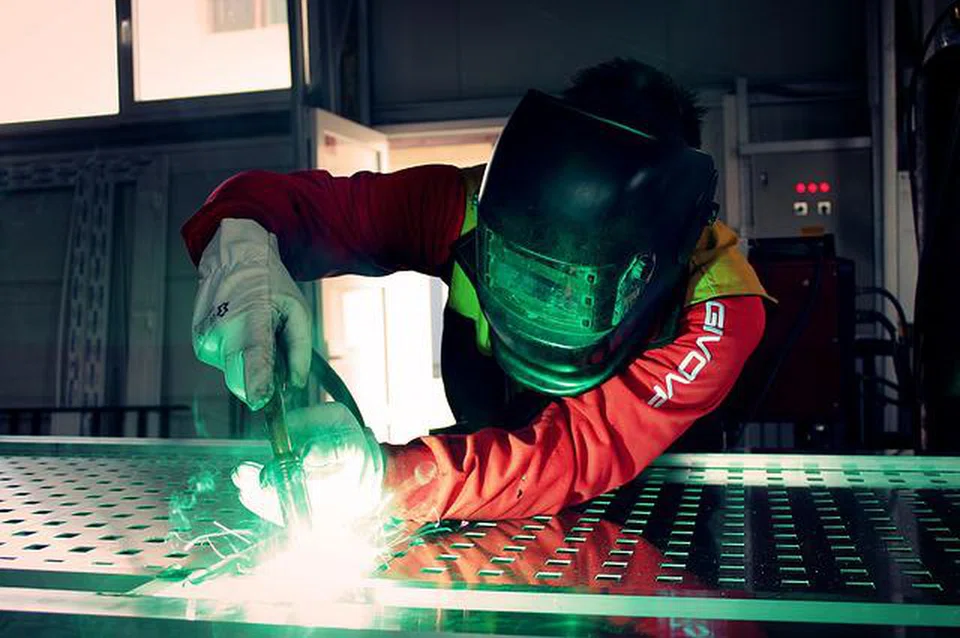
POWER woes as a result of extraordinarily high energy prices are taking a toll on the industrial metals sector - one of the most energy-intensive businesses - with closures of smelters in Europe causing great uncertainty across the industry.
The months-long energy crunch has led to the tightest market conditions, which has kept power prices elevated, more so since Russia’s invasion of Ukraine in February that led to disruption of gas supplies and Western oil sanctions against Moscow. In Europe, the pain has been especially acute and is set to deepen as the continent braces itself amid skyrocketing prices of natural gas and electricity even as a heatwave curtails energy supplies. The coming winter is set to be no less challenging against a backdrop of limited heat to homes.
Norway’s Norsk Hydro said it planned to shutter an aluminium smelter in Slovakia from September. Dutch zinc smelter Nyrstar, of the Trafigura group, has said it will suspend production at its Budel plant in the Netherlands end of the same month, citing “external factors” impacting its business. The pain is widespread. Drought and power rationing across southwestern China have forced metal processing plants that are highly energy-intensive to halt production. This in turn has led to a supply crunch in the industrial metals space.
There is little doubt that the issue of operations closures by smelters in Europe will deepen, with more cases unfolding as margins get crimped and capacity utilisation falls. In turn, this tight supply conditions are expected to keep prices high.
On the other hand, the demand side is facing headwinds for industrial metals. Slowing demand in China as a result of falling construction activity (owing to its property market crisis) and Covid-led curbs; more rate hikes in the United States; and looming recessionary pressures in Europe, will likely put a lid on surging prices. As the macro picture darkens, and consumption falls, prices will be kept in check. Pundits appear mixed on whether these concerns have already been adequately priced in the metals complex.
Prices of key industrial metals - a barometer of economic activity - fell sharply over the late second quarter and into the third quarter of this year as recession fears heightened owing to monetary tightening by central banks to contain spiralling inflation. China’s lockdown measures to curb the spread of Covid-19 had also led to the sharpest quarterly fall in industrial metal prices in the second quarter since the 2008 Global Financial Crisis. The recent supply crunch as a result of smelter closures are now keeping base metal prices elevated.
Meanwhile, notwithstanding the volatility, oil prices remain high, with the global crude benchmark Brent at triple digits of US$100 a barrel and up. The energy crunch exacerbated by what is deemed the biggest war in Europe since World War II has spawned multiple crises across the world. The most significant of these include the rise of cost of living and a food crisis caused by disruptions in the food supply chains and soaring fertiliser prices.
Power problems are now shaking up the metal industry, with more smelter cuts and closures expected to unfold. The big question is if this new trouble is merely a transitory disruption or one that will be prolonged for a world that has already been grappling over the past couple of years with supply chain misery.






