

Modi keeping India on right growth track
Contrary to some media commentaries, he is sacrificing short-term growth to achieve long-term structural changes which are certain to deliver huge dividends.
 Add BT as a preferred source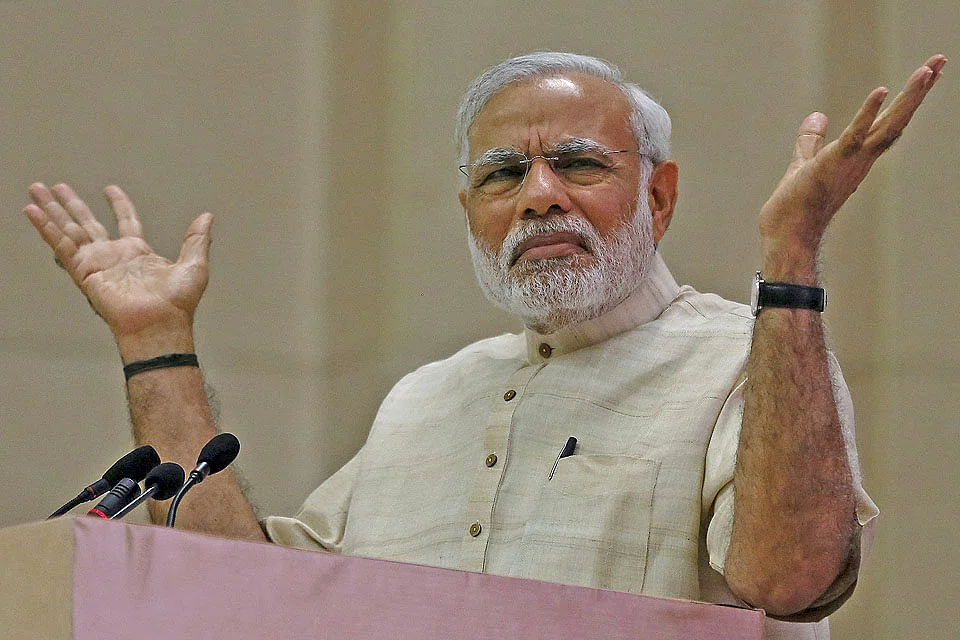
THE lack of meaningful pickup in India's short-term GDP growth has some analysts and commentators getting impatient. I believe the direction of India's economic growth and reforms remain on track. No one could reasonably expect a complete economic turnaround in one year. The uptick in GDP growth from 4.5 per cent to 5.5 per cent (based on the old methodology) over the last one year is a good start.
Prime Minister Narendra Modi's government completed one year in office in late-May. The key takeaway is that Mr Modi is willing to sacrifice near-term growth in order to implement long-term structural changes. He is following a script for India akin to investor Charlie Munger's observation regarding great businesses - "almost all great businesses engage in 'pain today, gain tomorrow' activities". (Perhaps it's no coincidence they both describe the late Lee Kuan Yew as their role model for great governance.)
The Modi government has cut rural subsidies dramatically causing short-term pain in the rural economy. But this will structurally lower inflation and reduce entitlements. This is a long-term positive. Similarly, in the infrastructure sector, the growth has not yet picked up. This is because the government is not recapitalising the state-run banks that lent poorly in the last cycle. Instead the government has infused more capital into the strongest of the state-owned banks. Here again Mr Modi is setting up the right incentive system. Finally and most importantly, the days of crony capitalism are coming to a rapid end. The recently concluded telecom and coal auctions were done transparently via an online auction and raised more than US$50 billion in total, which is an excellent accomplishment.
TRENDING NOW
Yeo’s, Tiger Beer and now Gardenia – flight of food manufacturing from Singapore might be just as planned

Shanda co-founder sells Tanglin Hill bungalow for S$76 million

Nearly half of Apac’s wealthy expect market crash or correction, plan to rotate to cash: study

Jumbo Seafood to close flagship East Coast Seafood Centre outlet on Sep 30

