

Nepal disaster should make Tokyo relook reactor plans
ONE of the most shocking things about the massive earthquake in Nepal (apart obviously from the deaths of thousands) is the fact that it was able to trigger an avalanche on the mighty Mount Everest. If an earthquake can "move mountains" of that size, what can it not do?
What indeed? The question adds piquancy (to put it mildly) to charges by experts in Japan that the country's Nuclear Regulatory Authority (NRA) has "ignored seismology" in giving the regulatory green light to the restart of nuclear reactors in the earthquake-plagued country.
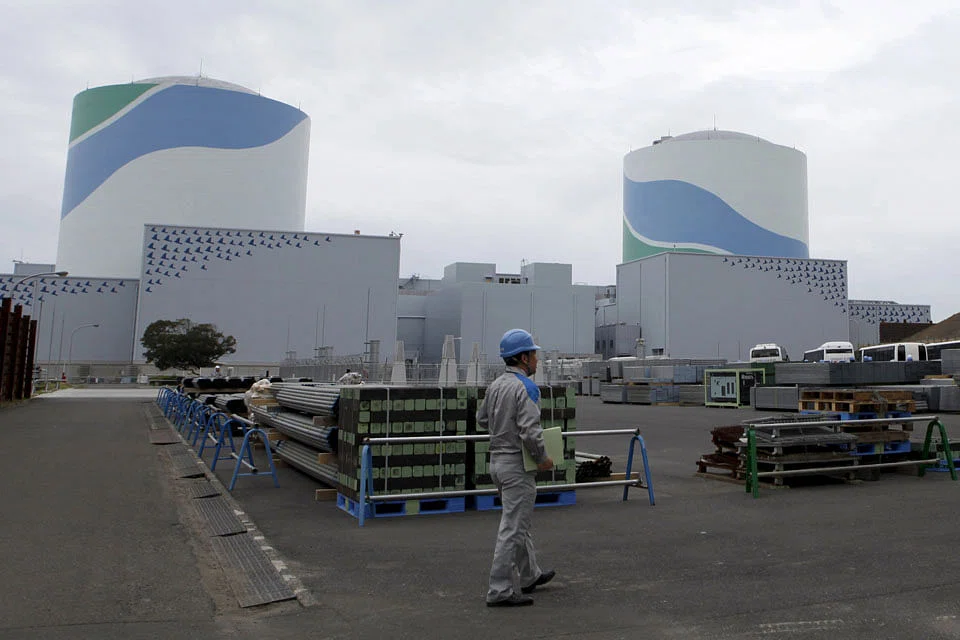
A Japanese court has meanwhile rejected a legal bid to block the reopening of the Sendai nuclear power plant on safety grounds. This has removed one of the last big hurdles to switching reactors back on after the 2011 Fukushima crisis paralysed the industry.
Earthquakes "happen" and they probably will continue to do so for thousands, or even millions, of years. They cause terrifying damage and loss of life through shaking, as Nepal's tragedy has once again reminded us. But earthquake-triggered nuclear disasters are "something else", as they say.
Nuclear reactors are protected against disasters from the inside out, encased as they are in concrete and steel cladding to stop radiation leakage (or even meltdown) from spilling into the atmosphere, as nearly happened on a catastrophic scale in the Fukushima "accident".
But they are far less well-protected from the "outside in" against natural disasters such as earthquakes. It is one thing to protect nuclear installations against terrorist attacks, as many nations do nowadays, and another to protect them against earth tremors that can move mountains.
The widely disseminated story of Fukushima was that it was the 30-metre tsunami triggered by the massive earthquake that caused the meltdown inside reactors after a wall of water knocked out the auxiliary power generators intended to supply emergency power for keeping reactors cool. It was not, we were told, the earthquake itself that caused the spewing out of potentially lethal radiation which for a while appeared to threaten even the capital city of Tokyo. But some experts differed, saying that the reactor vessels were indeed damaged by the quake.
There is evidence that the quake may have damaged reactor floors in the Fukushima complex and incapacitated equipment there that helped keep the reactors running and from melting down, according to nuclear consultant and former engineer at General Electric Satoshi Sato.
Also, any assumption that protective cladding encasing the actual reactors protects them against shocks can be upset by the fact that a major earthquake could cause spent nuclear fuel rods being removed from reactors to surge back to "criticality" again, creating a meltdown, experts say.
Mr Sato and fellow expert seismologist Katsuhiko Ishibashi, who is professor emeritus at Kobe University, briefed the Foreign Correspondents Club of Japan in Tokyo this week on why they are so outraged by the NRA's decision to approve the restart of some nuclear reactors.
The story is lengthy but basically the NRA last September ruled that power utility Kyushu Electric's plans to restart two units at Sendai "met new regulatory requirements" imposed by the government after the Fukushima disaster. Since then, all of Japan's 48 reactors have been idled.
The review process, however, was "careless and faulty at the very basic level", claims Prof Ishibashi. It "ignored seismology (and) is in violation of the legal requirements of the new regulatory standards". It is, he says, "outrageous that even these inadequate standards are being violated".
If such lax review processes continue, he adds, "sometime at some nuclear power plant, it will be inevitable there will be an earthquake that far surpasses the Standard Seismic Motion of the plant". This could lead to a second genpatsu shinsai, or combined earthquake-nuclear disaster.
Prime Minister Shinzo Abe has been pushing hard to get at least some of his nation's nuclear power plants up and running again, in order to cut fuel import bills that have rocketed in the wake of the post-Fukushima reactor shutdown, dealing a blow to his Abenomics policies.
Japan's "nuclear village" - a cosy alliance among government, power utilities and nuclear equipment manufacturers - was shaken badly by the Fukushima incident. But it is getting back on its feet now, with ambitions to export big-ticket nuclear systems to the rest of the world.
Anti-nuclear power protesters took heart at a recent court decision in Japan to block the restart of two reactors at the Takahama nuclear power plant (not related to Sendai). But the Kagoshima District Court then ruled that a decision to block the restart of the Sendai reactors was invalid.
Japan's nuclear village, it seems, has rebuilt its defences. But deep beneath the Japanese archipelago, massive forces that can send tectonic plates shifting and grinding, mountains moving, and can push nuclear plants into a potential meltdown state could be waiting to strike again.
TRENDING NOW

As Indonesia picks new vice-president to succeed Gibran, investors see risks and opportunities
Beyond the greenback, Vietnam’s big borrowers turn to Asian-currency bonds
Nvidia crisis: ‘Emperor’ Huang’s downfall may blow US-China AI race wide open

Could Jensen Huang work for Elon Musk? It would be ‘a titanic ego death match’, says biographer

