

Never mind the climate talks, every country’s on its own
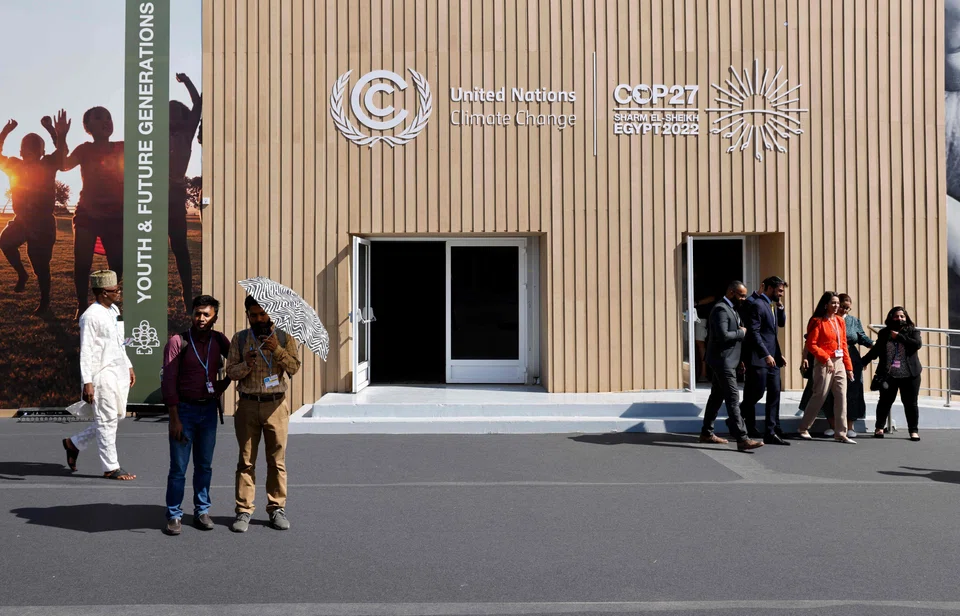
THE COP27 gathering in Sharm el-Sheikh that began at the weekend promises all the bells and whistles as United Nations (UN) climate change conference events go. A leaders’ summit on Nov 7 will set the pace for two weeks of negotiations to tackle difficult issues such as finance, decarbonisation, adaptation and farming practices. At the end, everyone will agree that this year’s climate disasters show how little time is left to get on with the urgent task of keeping global warming to below 1.5 degrees Celsius. Every delegate will be reminded of UN Secretary-General Antonio Guterres’ earlier warning: “A third of Pakistan flooded. Europe’s hottest summer in 500 years. The Philippines hammered. The whole of Cuba in blackout.” And Hurricane Ian delivered a reminder that climate science is ignored at one’s peril.
Yet, will all that hard bargaining that will go into a carefully crafted communique at meeting’s end on Nov 28 really do anything? There’s little room for optimism if past COP meeting outcomes are any guide. For instance, COP21 in 2015 delivered the Paris Agreement. It was hailed as the first legally binding treaty on climate change that committed 196 signatories to limit global warming to 1.5 deg C above pre-industrial levels. The rich countries promised to provide developing countries with US$100 billion a year for climate mitigation and adaptation by 2020.
COP26 produced pledges on phasing out subsidies for coal and other fossil fuels. There was an agreement to halt clearing of the world’s remaining forests and reverse land degradation. Even Brazil, home of the Amazon rainforest, signed on. The US and the European Union solemnly pledged to cut methane gas emissions, mostly from animal farming, by 30 per cent by 2030. The US and China, the world’s top emitters of greenhouse gases, agreed to work in tandem to fight climate change over this decade. They vowed to work together on increasing the use of renewable energy. They also agreed to further develop and deploy carbon capture technology.
TRENDING NOW

Knight Frank’s Tan Tee Khoon leaves firm, Nicholas Keong takes over auction business
Keppel Energy, Sembcorp Utilities and Tuas Power to supply biomethane in pilot project

GovTech retrenches another 38 staff in second round of layoffs

Take-up of new private homes dives 45% in Q3 as prices accelerate with 1.4% rise

