
With new Omicron wave on the way, Singapore must continue to keep its guard up
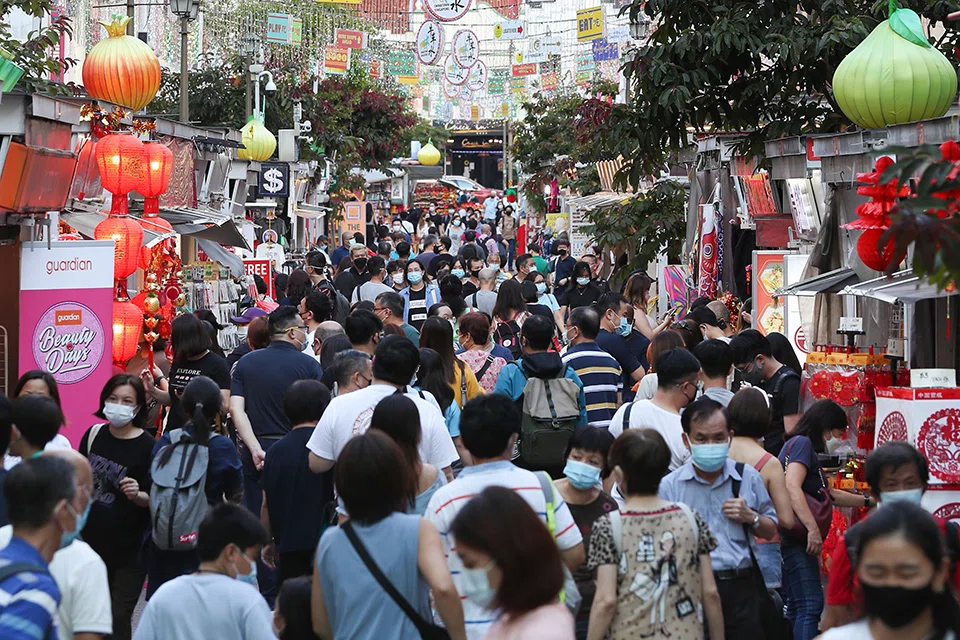
THESE days, daily life in Singapore certainly has the look and feel of the pre-pandemic era. While the donning of face masks is still mandatory indoors, almost every other restriction has been lifted.
There’s no need to fiddle with one’s mobile phone or TraceTogether token to enter a mall or shop, people can gather in groups at home or outside without a capacity limit, and international travel is back with a vengeance with only a handful of countries still requiring some form of pre-departure or on-arrival Covid-19 testing.
At times, it’s almost easy to forget that the country is still busy waging an ongoing battle with the stubborn Covid-19 virus, although every now and then we hear of a family member, colleague or work acquaintance getting infected.
Thankfully, the symptoms for the vast majority of cases are mild, while the fatality rate and the number of patients that require intensive care are much lower than what it was in 2020 and 2021.
The statistics, however, still paint a somewhat concerning picture of what’s happening on the ground. On Tuesday (Jun 21), the Health Ministry said that Singapore saw a 23 per cent week-on-week increase in community infections, with the rise largely driven by an increased spread of newer Omicron subvariants BA.4 and BA.5. Roughly 3 in 10 community cases over the past week involved these 2 subvariants, and the trend over the past 3 weeks show that this proportion is going up.
Also on Tuesday, the authorities reported 7,109 new cases - more than double the 3,220 the day before and higher than the 5,130 recorded on the same day a week ago.
Earlier this month, Health Minister Ong Ye Kung sounded a warning that Singapore could see a new Omicron wave emerging sometime in July or August as Covid-19 antibodies begin to wane. This will be fuelled mainly by the BA4 and BA.5 subvariants, based on the situations observed in other parts of the world like South Africa and the United States. Both strains are highly transmissible, although the latest evidence shows that the severity of infections linked to these subvariants is mostly similar to the earlier strains of Omicron.
It may sound like a broken record, but the message is worth repeating ad nauseam that everyone in the community must still do his or her part to keep the virus at bay.
This includes wearing masks when indoors (and even outdoors as an added precaution if possible), adhering to the current vaccination-differentiated measures for some higher-risk activities, and for all those eligible to take their second booster shot. As things stand, there are still thousands of people - about 8 per cent of the population - who have not yet completed their primary vaccination series, while about a quarter of residents have yet to take the first booster. And with more people travelling, it’s also essential to have sufficient insurance and to read up about the health system of their destination country.
Even as more people head outside to enjoy a level of freedom they have not experienced for much of the past 2 years, the harsh reality is that Singapore must keep its guard up, as the long drawn-out war against Covid-19 is far from over.



