

Nudging students to rebut privacy violations
To build a viable ecosystem, educators should effectively engage the youth not only with regard to the opportunities of "good" AI but also its risks.
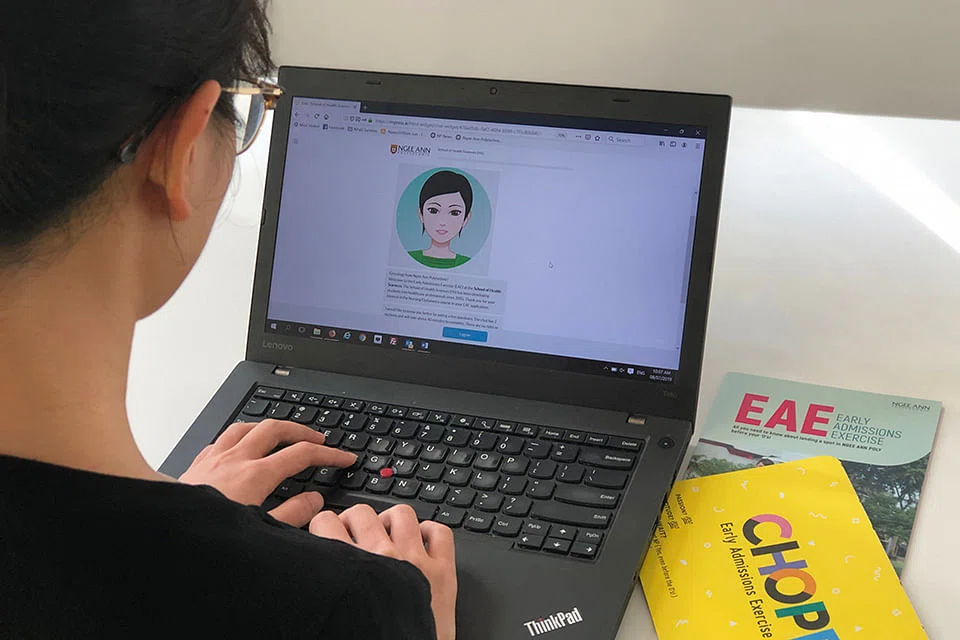
ASK university students here what keeps them awake at night, and chances are many of them might say "I worry about the economic impact of the coronavirus" or "hopefully I will be able to find a job". I bet most undergraduates won't voice concerns about social media safety, unregulated artificial intelligence (AI) or the surveillance capabilities of those who know how to master machine intelligence, be it commercial entities, governments or hackers, including all the tech giants on which many of us rely when it comes to using social media.
The plan to build a viable AI ecosystem in Singapore necessitates that "we educators" effectively engage our youth not only with regard to the opportunities of "good" AI (think customised financial advice based on a person's accounts; AI-enabled improved detection of breast cancer from mammograms; or the deployment of predictive AI to fight poachers) but also its risks. Examples include the potential of Big Data sets producing biased algorithms; encrypted data on smartphones being leaked to unauthorised parties without users knowing it; or sleepwalking into George Orwell's 1984 world characterised by invisible privacy violations, non-stop location-tracking by apps (and the death of democratic socialism as Orwell would have stressed).
The rapidly progressing commodification of human behaviour along with the digitisation of everything creates not only great social media connectivity (enabling binge watching or skyping loved ones overseas) and new business opportunities but also fertile ground for digital surveillance. Related incidences include the case of Julian Assange's Wikileaks, Edward Snowden's National Security Agency whistleblowing, the Siri Spying incident (caused by an external contractor) or the recent activities of Clearview AI - a facial recognition tech startup that grabbed publicly available photos from social media accounts for law enforcement safety purposes. What do we want others to know about us?
TRENDING NOW
Prima to move out of historic Keppel Road flour mill building in 2028

Grab CEO’s wife Chloe Tong on life with Anthony Tan and finding her purpose
OCBC sheds S$8 billion in value as shares close nearly 6% down; analysts cautious on banks
As Asia’s food delivery giants rejig the pie, who will win the market?

