

Opec is no longer a dominant force
Failure of the Russia-Opec deal and the rise of US shale production suggest that the days of coordinated production cuts may be over.
 Add BT as a preferred source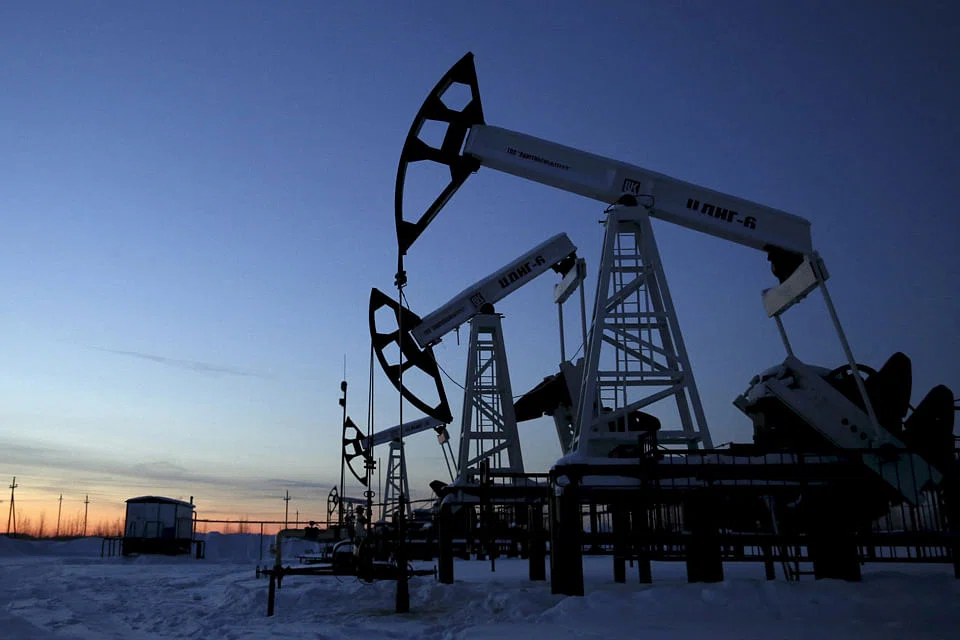
WHEN recent negotiations in Doha, Qatar, between some of the world's largest petroleum producers failed to deliver an expected freeze of oil production, markets responded in a surprising fashion: The price of oil rallied, hitting its highest point of the year. Part of the price increase was driven by news of a strike among oil workers in Kuwait, now settled, which threatened to temporarily restrict supply.
But the main conclusion to draw from the oil market's counter-intuitive response to the failure to freeze oil production is that the world's largest oil exporters, including the Opec (Organization of the Petroleum Exporting Countries) cartel, have far less control over price trends than they once did. More than at any time in decades, the world oil market is competitive, and no single producer can exert a significant effect on prices.
The power of Opec over world oil prices was first demonstrated in October 1973, when Saudi Arabia led other members in cutting off oil supply to the United States and its allies in protest over Washington's Middle East policies in support of Israel. The price of oil quickly quadrupled, increasing from US$3 to nearly US$12 per barrel, and remained high despite consumers' efforts to adapt.
TRENDING NOW
On the board but frozen out: The Taib family feud tearing Sarawak construction giant apart
Thai and Vietnamese farmers may stop planting rice because of the Iran war. Here’s why

From post-war hardships to ‘era of national rise’: Vietnam’s family firms face first succession test

‘We’re not a bubble tea brand’: Chagee aims to double Asia-Pacific footprint to 600 stores by 2027

