The pain started long before US$150 oil
As flows through Hormuz remain disrupted, weakening currencies and soaring costs are already rippling through Asia

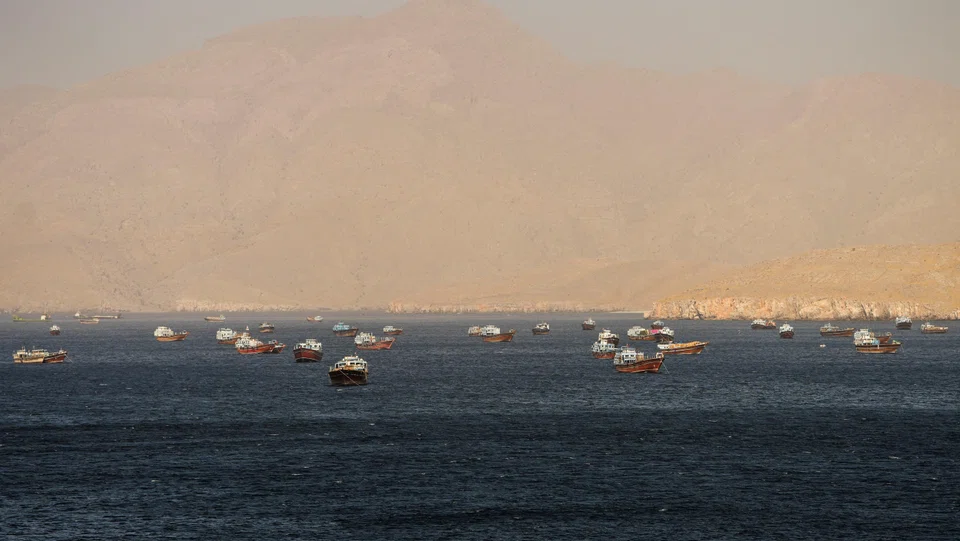
COMMODITIES research giant TD began a recent report on a sombre note: “Storms are brewing that could still see Brent crude hit US$150 a barrel or higher.”
The house sought to remind markets that the current “calm” – on a relative scale – belies that the “renewed periods of angst” are “just around the corner”.
Such predictions may sound extreme. But, it is starting to seem less far-fetched now, as more heavyweight pundits raise the possibility that the Strait of Hormuz could remain blocked until June and the US-Iran war might drag on.
After all, oil markets have already shown that they can do the unthinkable: US crude futures crashed below zero during the pandemic, so Brent breaking its US$147.50 record from mid-2008 may not be outlandish.
While it is hard enough to predict where Brent will sit next week, let alone by end-2026 as the ongoing Hormuz blockade tightens the physical market, there is no shortage of forecasts on how it could cap the year.
Such forecasts remain wildly scattered, given the on-and-off hopes of an off-ramp.
Polymarket odds show fading optimism, putting the chance of traffic through Hormuz normalising by end-June at roughly a third.
In its latest short-term energy outlook, the US Energy Information Administration said that most pre-conflict production and trade patterns may not resume until late 2026 or early 2027.
The big question is not whether crude caps the year at US$90, US$100 or US$150 a barrel. The exact number matters, but it misses the larger point: The pain has already begun.
Asia feels this sharply as much of the region runs on imported energy.
About 80 per cent of oil and oil products moving through Hormuz in 2025 were bound for Asia, said the International Energy Agency. In other words, higher oil prices quickly become a currency, inflation and corporate-cost headache.
Manufacturers in Malaysia are already getting a taste of it. A recent Federation of Malaysian Manufacturers survey found worsening operating conditions, higher freight costs, cash-flow stress and delayed orders.
So no, oil and shipping shocks do not stay neatly in commodity markets. They move quickly – and brutally, sometimes – onto factory floors and into margins.
For central banks, this makes rate cuts trickier. Growth may be slowing, but higher oil prices are piling on pricing pressures.
Indonesia is a case in point – with the rupiah under pressure, economists now expect Bank Indonesia to raise rates on Wednesday (May 20), not cut them. That gives policymakers less wiggle room, even if businesses and consumers are already feeling the squeeze.
Nor can the region take comfort from the old oil-market buffers. For decades, markets looked to Organization of the Petroleum Exporting Countries to steady prices and release supply when things got rough. That role is fraying.
The decision by the United Arab Emirates – one of the most consequential producers – to leave the cartel further drove home that shift. It also signalled that national interest, more often than not, trumps bloc discipline these days.
Asia does not need US$150 oil for this to hurt. The pain has already arrived. Indeed, a bigger spike would not create a new crisis so much as deepen the one already under way.