

Pandemic has forced cities to rethink urban mobility
City authorities have a range of policies and tools with which to shape their mobility systems beyond the Covid-19 crisis.
 Add BT as a preferred source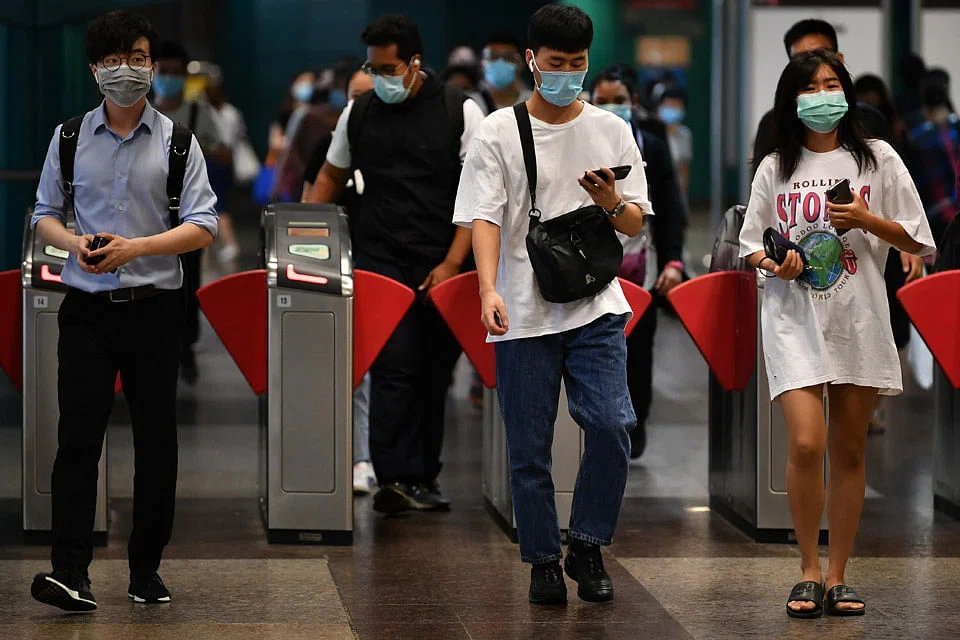
COVID-19 could have a sustained influence on urban public transit, driving cities towards mobility that is cleaner, safer, faster, more equitable and more accessible.
After months of a global health crisis, during which lives and businesses have been disrupted and personal transportation has been sent into hibernation, cities now have the impetus to rethink the basics of urban mobility. In some respects, the Covid-19 lockdowns appear to be accelerating changes that were already being contemplated, such as making city centres friendlier for pedestrians and cyclists.
In our 2020 Deloitte City Mobility Index (DCMI), which explores what mobility will need to be in a truly smart, liveable and economically vibrant city, we spotlight four prominent trends that city authorities consider when gauging the health of their mobility system and their readiness to embrace future mobility solutions.
Decoding Asia newsletter: your guide to navigating Asia in a new global order. Sign up here to get Decoding Asia newsletter. Delivered to your inbox. Free.
Copyright SPH Media. All rights reserved.
TRENDING NOW
Middle East-linked energy supply shocks put Asean Power Grid back in focus
Strengthening Asean’s economic resilience through RCEP’s 2027 review
How China’s young workers are securing their future even as AI disrupts job market, triggers pay cuts

US-China rivalry and the Kindleberger Trap: Why inaction – not escalation – is the biggest risk

