

Penang shows the way on water tariffs
MALAYSIA'S exports grew a slower-than-expected 8.4 per cent in March, below the street's expectation of 9.4 per cent and way below February's performance of 12.3 per cent. One reason cited for this is that the water rationing exercise could have disrupted manufactured exports in Selangor and Negri Sembilan between February and April. That is a lot of money down the drain and, more to the point, quite inexplicable given that the country receives an average of 98 inches (249 cm) of rain a year.
Like everything that has demand, water is a resource - and should be treated as such. Selangor's water policy does not do this. By allowing Selangor residents to have their first 20 cubic metres of water free, it devalues the importance of a scarce and valuable resource.
Selangor would do well to emulate Penang. The state did not need rationing but only because Chief Minister Lim Guan Eng bit the bullet and raised water tariffs. At 311 litres per person per day, the state's consumption of water is the highest in the nation. The national average is 211 litres, which is bad enough. Such consumption, Mr Lim pointed out correctly, "is unsustainable and, left unchecked, Penang will have no choice but to resort to water rationing in the future".
Incentives matter. That is especially so with the sale of public goods. No amount of public education or appeal to the good nature of the body public will cut water usage. When any good is priced below its economically justified level, that good will be in short supply and will be wasted.
Demand will always exceed supply, and the conservationists will always be overwhelmed by the free-riders. Higher water prices work as an automatic rationing mechanism. Instead of a water cut every few days, water use is regulated by those who can afford it. Rationing is inefficient not only for its inconvenience, but its disruption to businesses. Hiking prices is more efficient as it minimises disruptions. It also raises revenue which is useful when one considers that water treatment plants are not cheap. Critics will deride water tariff hikes as a burden on the poor, but sharply targeted handouts to poor households are a far better and more efficient means to regulate water use than differential pricing or rationing.
The government's giveaways just before the general election may have been populist but the empirical evidence does suggest that cash transfers are an effective tool for economic development. Going further afield, much the same can be argued for fuel, diesel and staple-goods subsidies. According to government statistics, more than 60 per cent of subsidies are taken up by 20 per cent of the people. It takes far more fuel to fill a Mercedes than to fill a motorcycle.
Raising prices is both more progressive and equitable. In his last Budget, Prime Minister Najib Razak promised to continue with his programme of subsidy rationalisation. Now is not the time to be faint hearted - he should stay the course.
TRENDING NOW

‘If there’s a price to be paid, so be it’: George Yeo says Singapore must safeguard its reputation

South-east Asia has lost Nvidia’s best salesman
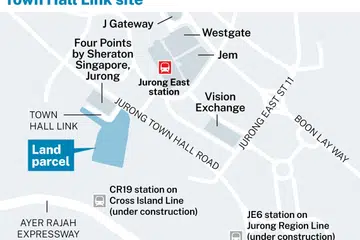
CapitaLand, Far East, Sing Holdings team up for S$1.8 billion bid at S$910 psf ppr for Jurong Lake District site

Beyond the greenback, Vietnam’s big borrowers turn to Asian-currency bonds

