

Post-Brussels attacks, nuclear terror becomes key focus
Obama may want to ensure strongest possible set of outcomes at the Nuclear Security Summit.
 Add BT as a preferred source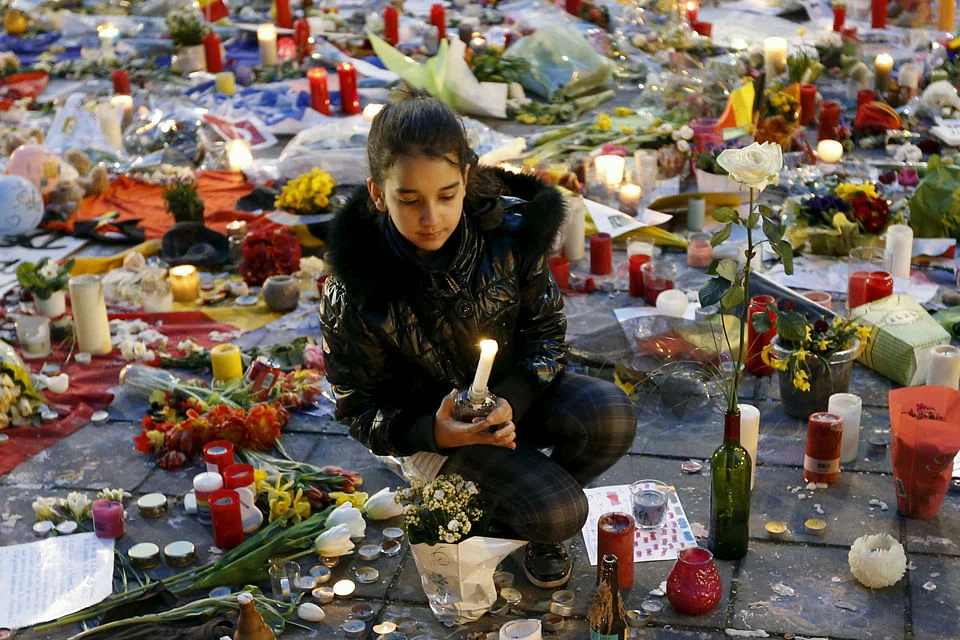
WASHINGTON DC plays host on Thursday and Friday to the fourth and potentially final Nuclear Security Summit (NSS), convened by US President Barack Obama. Post-the tragic Brussels attacks last week, the event has assumed heightened importance with media reports that some of the self-ascribed Islamic State in Syria and Iraq (ISIS) bombers had initially planned to attack a nuclear power plant in Belgium.
While the precise details of this alleged plot are unclear, there is unquestionably growing concern about the threat of nuclear terrorism. After the Brussels atrocities, UK Defence Secretary Michael Fallon pointed to a "new and emerging threat" of terrorists acquiring nuclear weaponry, while former US defence secretary Robert Gates has noted that "every senior leader, when you're asked what keeps you awake at night, it's the thought of a terrorist ending up with a weapon of mass destruction, especially nuclear".
More than 50 countries will convene at the NSS to focus on "minimising the use of Highly-Enriched Uranium (HEU), securing vulnerable materials, countering nuclear smuggling and deterring, detecting, and disrupting attempts at nuclear terrorism". This wide-ranging agenda first came prominently on the international radar screen following the collapse of the Soviet Union in the early 1990s, when concerns were raised about safeguarding the former communist state's extensive nuclear weaponry.
TRENDING NOW

Lily Ler to step down as CEO of Mapletree Industrial Trust manager

Jardine C&C selling Singapore, Malaysia dealerships to Indonesia’s Chandra Asri for US$221 million gain

AI infrastructure can lead South-east Asia’s next growth story: UOB
How BYD disrupted Singapore’s car market – and why the strategy is turning on itself

