
Powering Asia-Pacific’s electricity supercycle into long-term energy security

The current volatility in the energy market can be a catalyst to rebuild existing systems
Summarise
    • Rising electricity demand, strain on ageing systems and the push to modernise grids point to the start of an electricity supercycle.
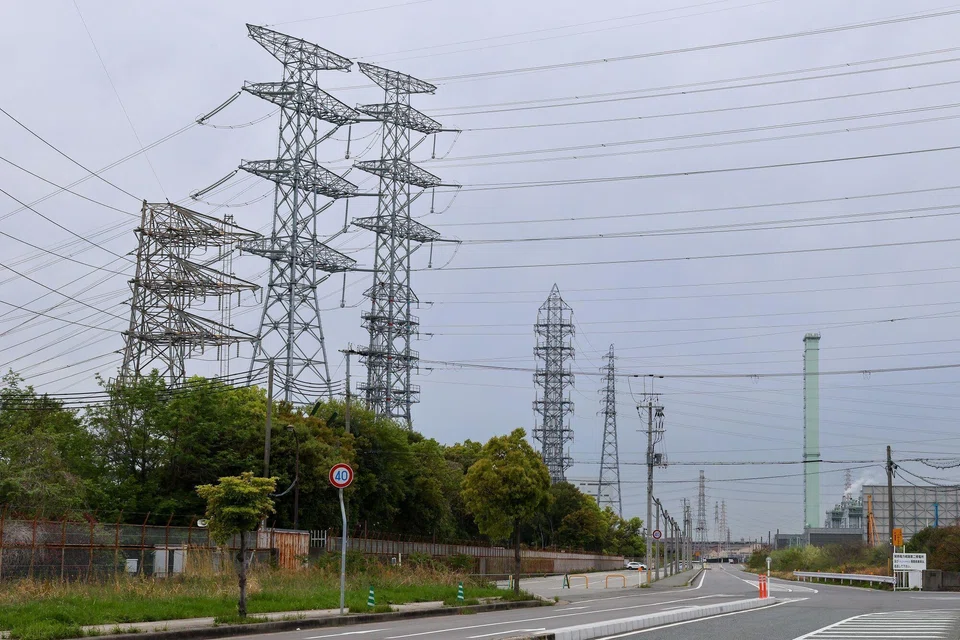
    • Rising electricity demand, strain on ageing systems and the push to modernise grids point to the start of an electricity supercycle. PHOTO: BLOOMBERG
    Published Thu, Apr 30, 2026 · 06:45 AM

    IT IS no secret that the world of energy has become increasingly volatile. Geopolitics as well as more frequent and more powerful extreme weather events are just two contributors to rising and fluctuating energy prices. 

    At the same time, electrification across industry and homes in the Asia-Pacific is expected to grow by more than 5 per cent annually to 2027. Add power-hungry artificial intelligence into the mix, and demand threatens to outpace supply. 

    The convergence of increased electricity demand, structural strain on existing energy systems and grid modernisation is proof that we are entering an electricity supercycle.  

    As with any supercycle, there can be winners as well as losers. Higher prices, ongoing energy instability and an increased cost of living are set to become long-term issues that will challenge the region’s ambitions for growth. 

    This sustained disruption could provide the stimulus needed to rebuild our energy systems more quickly, for long-term stability. 

    So how can companies and countries in the Asia-Pacific use the electricity supercycle as a catalyst for energy security? They must move on three priorities.

    Grid modernisation – the biggest bottleneck in the region

    The electricity supercycle is exposing a basic constraint: the grid itself. 

    Around the world, transmission systems built for slower, more centralised energy are struggling to keep pace with the rapid growth in renewables, electrification and AI-driven demand. 

    According to the International Renewable Energy Agency’s Renewable Capacity Statistics 2025 report, most of the increase in global renewable capacity in 2024 occurred in Asia, with China alone contributing almost 64 per cent of the global additions that year. 

    While even more projects are planned, many are ready but cannot yet connect to the grid. Globally, about 2,500 gigawatts (GW) of capacity is waiting in queues, with as much as 1,200 to 1,600 GW that could be unlocked with faster connections, smarter planning and targeted upgrades. 

    What’s needed is not just more infrastructure, but also a more intelligent grid. 

    Digital tools such as AI-enabled platforms and advanced sensors can help operators manage congestion in real time, shift power flows and increase usable capacity without having to build everything from scratch. 

    At the same time, grid expansion still matters. In the Asia-Pacific, where renewable deployment is accelerating, infrastructure is struggling to keep pace, leading to growing backlogs and delays.

    New high-voltage lines will also be essential to connect remote sources of energy, from offshore wind to desert solar, with cities and industrial hubs. 

    The scale of the task is mammoth. In fact, the International Energy Agency estimates that the world needs to at least double its existing grid capacity in the next 15 years to meet climate goals.

    If tackled decisively, grid modernisation can unlock stalled investment, support the next wave of AI-driven growth and ensure a more reliable and affordable energy system for the decades ahead.

    Accelerate investment in clean energy supply

    The Asia-Pacific has a clear opportunity: As demand outpaces supply, countries and businesses that move quickly to plug the gap will gain a competitive advantage. 

    Expanding domestic power generation and reducing reliance on volatile imports offers the region the greatest potential for energy security. For the majority of countries, that means ramping up renewable energy. 

    India provides a compelling example. By investing heavily in renewables, the country has become more agile and future-proofed, while supporting economic growth.

    India’s electrification rate currently sits at 20 per cent, growing by 5 per cent each decade. Solar energy can help power this demand, with the cost of its production and storage facilities almost half that of new coal plants.

    Other countries in the region could similarly reduce emissions and strengthen their competitive position in the global electrotech market.

    Yet, many economies remain heavily dependent on imported fuels. Countries such as Japan, South Korea and Singapore rely on imports for the majority of their energy supply, thus increasing their exposure to price volatility and geopolitical risk. 

    Strengthening domestic generation, renewables and grid resilience will be critical to improving long-term energy security across the region.

    The upside is significant; Asia-Pacific has the potential to drive the majority of global renewable growth this decade, with solar alone expected to account for more than 60 per cent of new power capacity additions worldwide. 

    But these gains cannot be realised without rapid upgrades to grid capacity and digital infrastructure to ensure that clean energy actually reaches consumers.

    Creating a flexible system

    Traditionally, a shortfall of energy supply has been addressed by increasing the amount of energy produced and boosting grid capacity to meet demand at peak times. 

    However, simply adding more energy into the system is not the most efficient way to address the challenge. 

    The answer is a more flexible energy system. Energy efficiency is not just about using less power; it is also about using it more intelligently. 

    Shifting consumption to periods when renewable energy is abundant and easing demand during evening peaks can help balance the system and reduce strain on the grid.

    Energy storage plays a crucial role here. By storing excess power for later use, batteries help avoid waste and make supply more reliable. They also give governments, businesses and even households greater control over how and when they use energy – especially when paired with solar. 

    Grid-scale battery storage is expanding rapidly across Asia-Pacific, with China, Australia and Japan among the fastest-growing markets, as global energy storage capacity is expected to grow more than sixfold by 2030 to support higher renewable penetration and more flexible energy systems.

    Combined with digitalisation, battery storage enables operators and end-users alike to smooth the peaks and troughs in supply and demand, as well as tackle price volatility, thus delivering more intelligent and resilient energy distribution.

    This digital orchestration transforms the grid from a rigid “pipe” into a dynamic network where autonomous microgrids and grid-edge intelligence can balance supply and demand at the millisecond level. 

    I believe the electricity supercycle combined with increased energy flexibility will be a catalyst for energy resilience in the Asia-Pacific region – one that will deliver a smarter energy future. 

    By harnessing the energy technologies available today, we can unlock new efficiencies, deliver reliable energy and build resilient, competitive markets.

    The writer is Schneider Electric’s executive vice-president of energy management



