Preparing today's corporations for navigation of compliance maze
As regulators around the globe step up compliance against financial crime, corporations that are proactive in ensuring continued compliance will be better placed to thrive in this new, challenging landscape.
Regulators across the world have been zooming in on the corporate sector's efforts in complying with financial crime regulations. For many companies, this responsibility may be an unwelcome surprise, but by acting quickly, they can stay ahead of the curve and get ahead of the competition.
REGULATORY compliance has become a concern not only for financial institutions; increasingly, regulators are widening their focus and bringing corporates into the world of financial crime compliance. Non-compliance can attract heavy fines and the risk of reputational damage, which potentially results in loss of business.
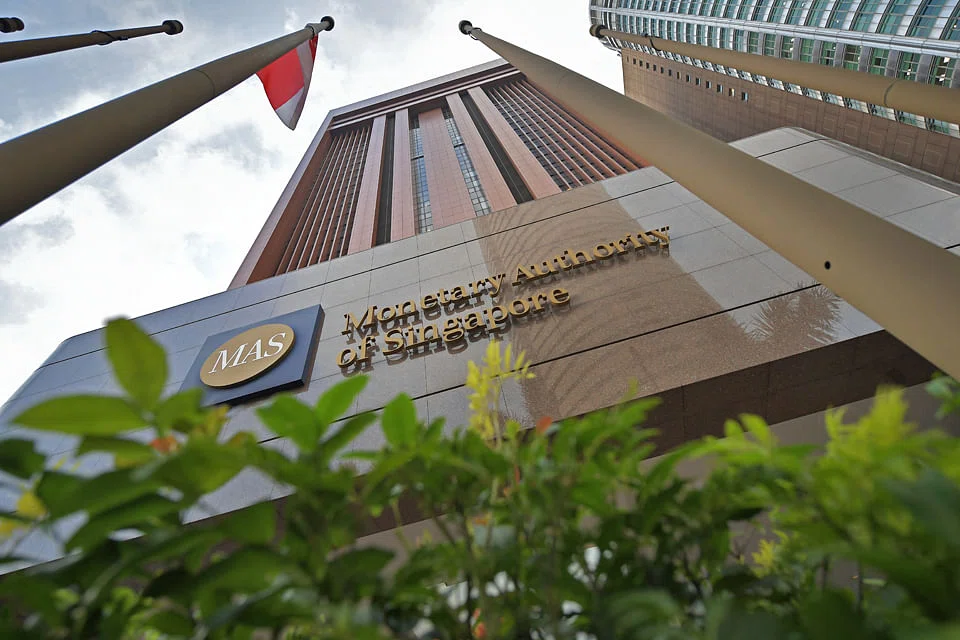
Within the Asia-Pacific, the Monetary Authority of Singapore has set up a new department dedicated to combating money laundering, where a supervisory team will monitor illicit financing risks to strengthen enforcement, highlighting the increasing importance of compliance among businesses. A study by Asia Risk and Wolters Kluwer shows that the three greatest challenges facing financial organisations operating in the Asia-Pacific region in 2016 were compliance, operational risk management and financial risk management. More specifically, compliance is considered to be a major challenge by nearly 60 per cent of portfolio managers, but also by 62 per cent of respondents currently employed by asset managers and 60 per cent of those at securities firms across the region.
Financial crime encompasses a variety of activities, including fraud, electronic crime, money laundering, terrorist financing, bribery and corruption, market abuse and insider dealing, and information security. Regulations to combat financial crime include anti-money laundering (AML) laws, financial sanctions and monitoring of high-risk individuals. For corporations, sanctions represent the most challenging of the financial crime regulations to comply with.
Accenture's 2016 Compliance Risk Study - which surveyed over 150 leading compliance officers at banking, capital markets and insurance institutions across the Americas, Europe, and the Asia-Pacific - indicates that factors such as fintech, rapid regulatory change and the increase in conduct and human risks have forced compliance to take a more active role in frontline processes. A large number (81 per cent ) of study respondents agree that compliance will need to optimise operations in order to manage a more complex set of risks under tighter resourcing conditions.
Out of the three entities that the US Treasury Department's Office of Foreign Assets Control (OFAC) fined in January 2017, two were corporations. The total amount of the fines imposed during the period of June 2016 to January 2017 amounted to more than US$18 million. Compliance experts believe that the size and scale of fines for corporates are set to grow.
With regulators clearly signalling their intention to take a closer look at corporate compliance with international sanctions, corporates can no longer shift their responsibility and expect banks to protect them against corporate violations, nor will regulators consider this a mitigating factor when taking remedial action.
The risk of violating a sanctions programme increases as a business expands across borders. Moreover, sanctions cover a variety of targets and can also apply to offshore affiliates, making the risks equally complex. Until recently, however, many corporates may not have been fully aware of their regulatory responsibilities, which explains why their internal compliance frameworks are less advanced than those of financial institutions.
SCREENING AS THE FIRST CONCRETE STEP
For corporations, their approach towards financial crime compliance largely depends on the nature of the industry sector in which it operates. Highly global industries such as airlines, logistics, oil exploration and pharmaceuticals have been relatively proactive, while companies that operate predominantly in perceived "risky" jurisdictions have likely been notified of the importance of compliance.
One of the most effective ways of mitigating the risk of sanctions violations is by screening financial transactions. This has the added benefit that corporations not only assure themselves that the transaction is compliant, but they can avoid payment blockages where a query on a single transaction could hold up all the remaining payments in a batch. Transaction screening by corporates themselves can help expedite payments and improve straight-through processing.
The most common way for corporations to address sanctions compliance is the screening of their customers and suppliers during the onboarding process, by checking against lists issued by the various relevant bodies. This way they can ensure that the countries, companies or individuals with whom they deal are not subject to sanctions.
While screening customers and suppliers during onboarding is important, compliance cannot be seen as a one-off proposition. Sanctions list management is in itself a challenging task. The lists change regularly, sometimes daily, with names of entities and individuals being added and subtracted. As such, customer and supplier databases would need to be reviewed and screened regularly to maintain ongoing compliance.
Moreover, while best practice would dictate that sanctions filters should be updated almost immediately after list updates are published, delays can occur due to the time required to collect and reformat public lists to fit an individual company's filters - all of which makes the job of managing sanctions lists and updating sanctions filters both very complex and time consuming.
Today's corporates will need to incorporate financial crime compliance into the day-to-day management of their business. Even if it feels intrusive, they will need to know more about their customers, and maybe their customer's customers; it is only a matter of time before the supply chain will come under increasing scrutiny.
As the direct and indirect cost of regulatory compliance increases, banks are less willing to take risks in unknown jurisdictions or with unproven supply chains. This reduced risk appetite is also likely to have a knock-on impact on corporates as they expand internationally. Corporates that are not able to demonstrate a sufficient level of client understanding may face reduced coverage by their traditional relationship banks.
It is clear that fighting financial crime will remain a high priority for regulators and governments across the world and Asia is no exception - its regulatory dynamics are likely to shift, thanks to the region's current and upcoming free trade agreements and growing economies. And while regulators and policy makers were initially focused on the financial industry, they are now casting their net wide to include the broader corporate community.
This regulatory environment will continue to evolve and have an impact on corporate plans for expansion and resourcing, as well as on IT and operations. Corporations that are willing to take a step forward and act early to identify how financial crime regulations will affect them and how they do business, and ensure their continued compliance, will be best prepared to prosper in this new and increasingly competitive business landscape.