

Of QR codes and digital hongbaos: Going green while keeping tradition
 Add BT as a preferred source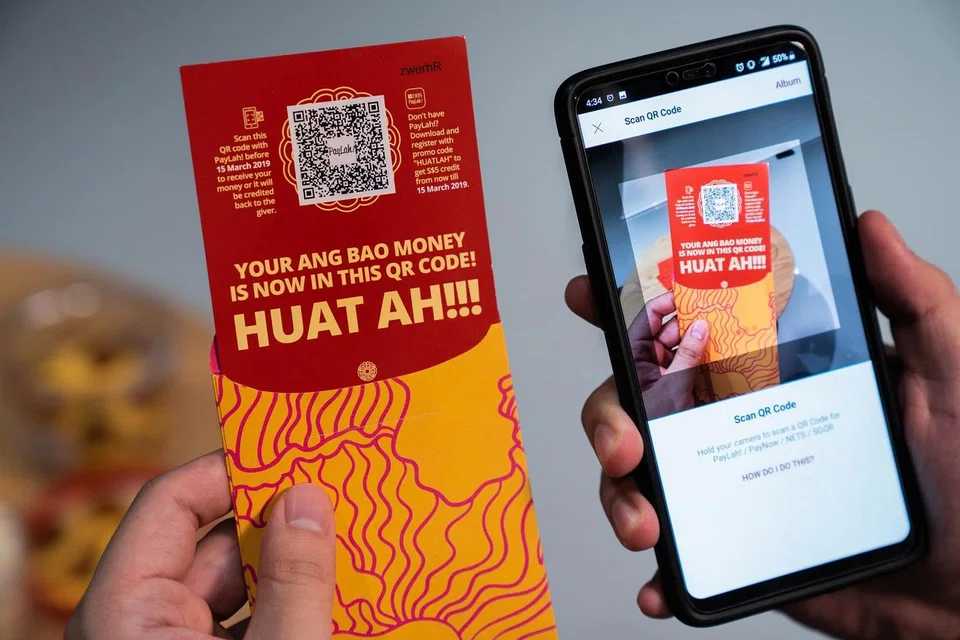
ALONGSIDE inescapable festive songs and soaring bak kwa prices, long queues of customers waiting for fresh new notes at banks - for the purposes of stuffing the traditional red packets or hongbao - are an unmistakable feature of the lead-up to Chinese New Year.
As digital payments grow, one might wonder if such queues could eventually become a thing of the past - not least given various reports about the rise of digital hongbao in China. Yet this potential threat to tradition might be overstated. "Red packets" in Chinese apps such as WeChat and Alipay are actually sent all year round: between family and friends, to add a touch of fun to standard fund transfers; or by corporations to consumers, in conjunction with promotions or marketing campaigns.
Indeed, a major use of digital red packets during the Chinese New Year season in China is purely commercial: handing them out to viewers of China Central Television's annual Spring Festival Gala. Within China, the arrival of Chinese New Year celebrations each year has indeed been accompanied by local media articles about whether digital hongbao may replace their traditional paper version. Most of these reach the same conclusion: for now, at least, the paper packets are still going strong, with retailers reporting continued strong sales of the red envelopes.
TRENDING NOW

Malaysian tycoon Vincent Tan’s sell-downs point to pruning rather than an exit plan

As luxury retail goes big, can Singapore’s Orchard Road keep up?

Singapore releases Economic Strategy Review Final Report, with more detailed proposals

Simba ordered to pay S$700,000 in damages to indoor skydiving operator Altitude Xperience for trespass

