
Ragged battlelines drawn for Brexit
Pro-EU views dominate in business community but opinion appears to be more evenly divided in Britain as a whole.
 Add BT as a preferred source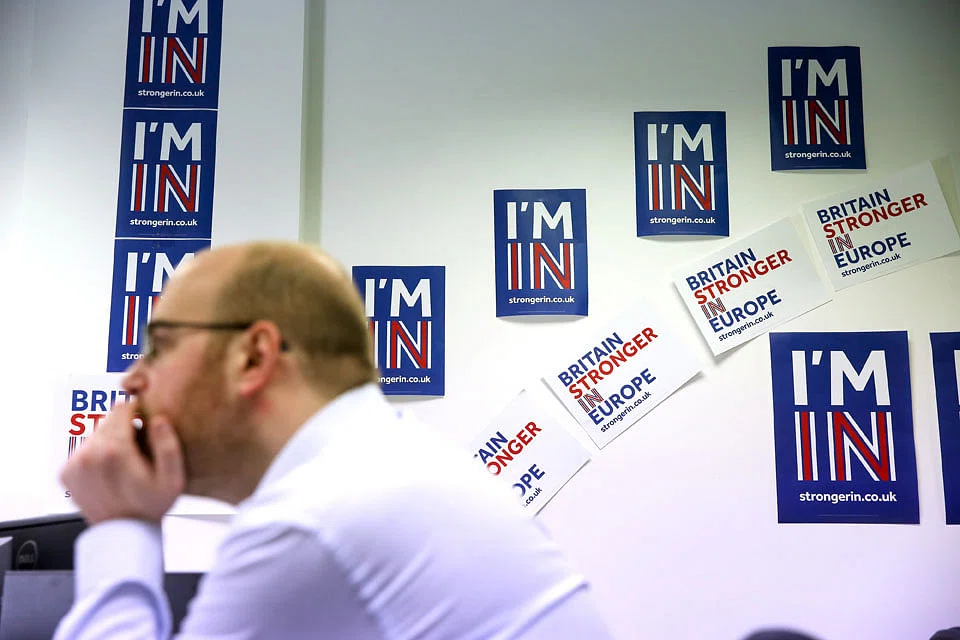
UNCERTAINTY over whether, in the June referendum, Britain will vote to stay in the European Union (EU) has led to a fall in the pound amid warnings from a range of businesses about the likely negative impact of a "Brexit". There seems to be little doubt that among businesspeople in Britain, especially in larger firms, pro-EU views predominate. In Britain as a whole, opinion appears to be more evenly divided and those who want to remain in the EU have a fight on their hands if they are to secure a convincing win.
The main problem for "In" campaigners may not be with any of the familiar arguments advanced by their opponents, but with something more basic: whatever they may say about the advantages of EU membership, none of them appear able to muster much enthusiasm for it. The EU remains an unloved institution - expensive, bureaucratic and accused of unwanted interference in the internal affairs of member states. It is more often favoured because it is not as bad as any alternative rather than for positive qualities.
This is not to deny that there are sectors of the population who are well aware of the advantages that EU membership has brought them: in Scotland, Wales and northern England, EU money has benefitted many - and they know it. Despite grumbles about EU subsidies to "inefficient French farmers", British farmers have, overall, gained from EU membership. The question is whether these membership beneficiaries will feel sufficiently motivated to turn out in force to deliver a decisive "In" vote. The pro-EU position of the Scottish Nationalists and Plaid Cymru, and generally pro-EU views of other political organisations in Scotland and Wales should at least ensure a strong "In" majority there.
Copyright SPH Media. All rights reserved.

