

Recovering paradise lost: A new tech-enabled biodiversity protection model
AS GOVERNMENTS around the world convened to address the climate crisis at the 2022 United Nations (UN) Climate Change Conference (COP27) in recent days, decarbonisation took centre stage as a critical frontier in the escalating environmental emergency. The fight against climate change is a serious undertaking of David-and-Goliath proportions, but there is a need for a more holistic approach to protect biodiversity.
Biodiversity conservation has often been valued in terms of the scientific value of the natural environment and the wildlife that inhabits it. This is extremely important, but it does not paint a complete picture of the value of these natural environments relative to the economics of the climate crisis.
The International Monetary Fund leads the charge, having studied the value of wildlife in relation to the ecosystem services which these animals provide – in other words, the direct and indirect benefits that biodiversity provides for humanity.
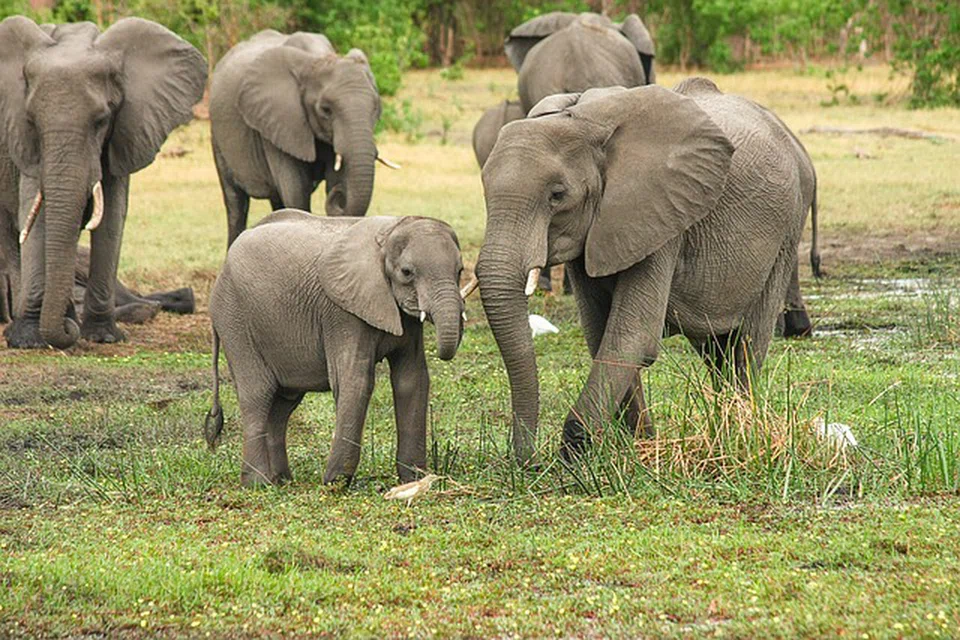
To illegal wildlife poachers, elephants are worth an estimated US$40,000 for their ivory, but an elephant’s ecosystem service is worth so much more. When we consider the value of elephants’ carbon sequestration services, each elephant, when kept alive, is actually worth US$1.75 million, going by 2019 estimates.
This is a significant cost saving in the decarbonisation movement and our bid to save our planet.
This value continues to rise with carbon pricing – today, a single forest elephant contributes US$2.6 million worth of carbon sequestration services.
This is why biodiversity is the single most important asset we have in fighting climate change. Rebalance Earth was founded on this premise – biodiversity is our best ally and yet, we continue to ruin and destroy nature due to a deep ignorance of its true value. Rebalance Earth aims to correct this and to ultimately deliver a scalable solution that will value and monetise natural assets.
The environmental, social and governance (ESG) focus in the financial sector gives us a good rule to follow: measures must be built as part of the business. Similar to carbon tracking, we need to integrate biodiversity impact assessment into business and industry operations.
Some of these tools and metrics already exist. The Global Biodiversity Score for example, a corporate biodiversity footprint assessment tool which focuses on the biodiversity impact of economic activities across the value chain, is currently supported by 30 European businesses and financial institutions gathered in the Business for Positive Biodiversity Club (B4B+ Club).
Scale, however, is the real challenge here. As we celebrate industry-led initiatives as seen in coalitions such as Business for Nature and Finance for Biodiversity Pledge, these initiatives, tools and frameworks remain highly disparate, with limited insights into their utilisation rate, implementation challenges, operational impact and overall efficacy.
Companies must not only use tools to record, report, and act on sustainable business data within their operations, but also share them across their networks of suppliers and partners to unlock the potential for biodiversity conservation at scale.
Industry consensus and policymaking will need to harmonise efforts across this multi-faceted landscape to set new environmental impact assessment standards.
If we were to examine the development of sustainability road maps over the past decade, we would find that the ability to track carbon emissions has truly changed the game. It has now become a key measure of operational success, and it has given impetus to governments and industries to collectively act more responsibly towards the environment.
Sustainability transformation, however, hinges on data transparency, evident in the availability and management of accurate, verifiable data that are essential to achieving corporate ESG metrics and shared global sustainability goals. What about biodiversity conservation – how does data transparency feature here?
Data transparency can help build trust for corporates to invest in natural assets. A transactional relationship with nature where corporates buy carbon offsets to mitigate their environmental impact is neither meaningful nor enough. We can realise our stake in the world in economic terms by investing in natural assets.
Connecting natural assets such as forest elephants and mangroves to carbon markets which are then shaped into tradable financial natural assets, Rebalance Earth is a global ecosystem services marketplace that provides the mechanism to value and fund living natural assets.
The mechanism is built around an ecosystem services credit offering – Rebalance Earth Digital Tokens – which is supported by Corda, an enterprise-grade trust technology by R3, a leading global enterprise blockchain provider for highly regulated industries.
These tokens are designed to support the funding and empowerment of local communities at the forefront of nurturing and protecting local ecology, all of which are in line with the UN Sustainable Development Goals.
Underpinned by verified data, users can track the specific animal that is linked to the said token, as well as the disbursement of park rangers’ salaries and investments in local communities. This is data transparency in action, based on key tenets of trust, transparency and traceability.
But beyond that, this is a collaboration that reaffirms the role of emerging technology in the natural world. Blockchain technology has reformed many industries, but there is more that we can do to unlock its potential as an enabler of lasting socioeconomic and environmental impact. After all, the very logic of the technology lends itself very well to the cause.
Through the use of blockchain technology in the Rebalance Earth and R3 collaboration, we are able to leverage the technology’s traceability to help corporates and governments prove the authenticity of their sustainability strategy more transparently, connect sensors in a distributed network to form a data marketplace in which scientists and other innovative technologies can further realise the value of biodiversity, and run highly interoperable carbon and biodiversity credit marketplaces.
Technology is most transformative when its utility is accelerated in two scenarios – when we are faced with a crisis and when there is a fundamental change in human behaviour which leads to new technology adoption at scale.
As it stands, we are already on the cusp of critical change amid a crisis. It is time that we shift the mindset and develop emerging technology solutions for our climate, instead of using them to drive profit and economic growth alone.
At the end of the day, all that we have built and the progress which we have made as humankind will be moot if the world ceases to exist. We now have the chance to be better stewards of the future and as stakeholders of the natural world.
As the popular Joni Mitchell song goes: “We paved paradise to put up a parking lot.” And now that we’re paying the price for it, we should at least know what it is truly worth.
Amit Ghosh is chief information & services officer at R3. Walid Al Saqqaf is co-founder of Rebalance Earth.






