

Regulating avatars in the metaverse
As businesses look to expand into the metaverse, a global standards and enforcement organisation should be set up to enforce rights and liabilities in the virtual space.
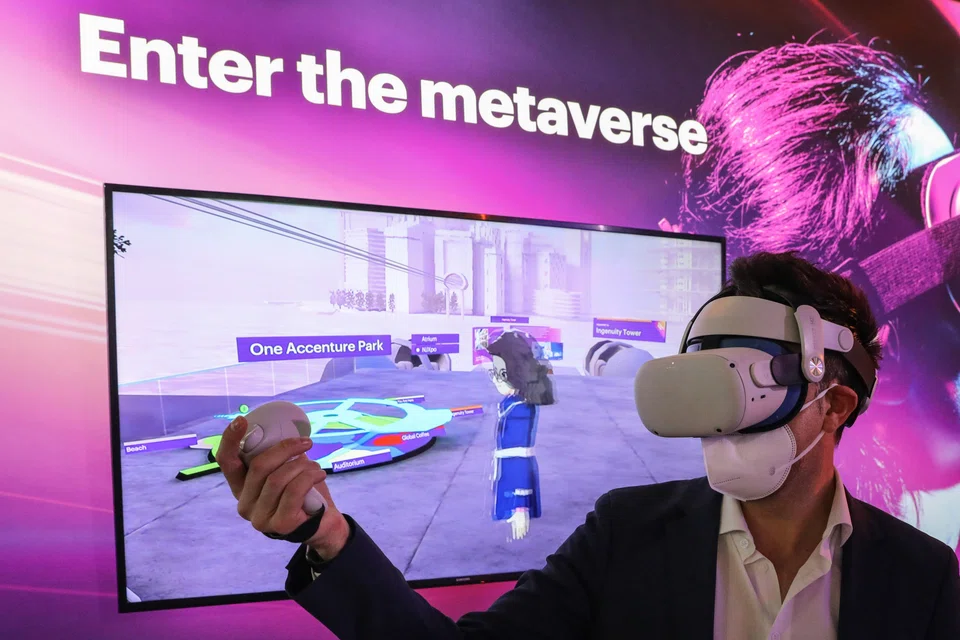
THE concept of virtual worlds, such as massively multiplayer online role-playing games (MMORPGs), has long existed.
As companies expand into the metaverse and it reaches interoperability similar to the Internet, regulators will need to cooperate to introduce global standards and enforceable measures to deal with rights and liabilities in the metaverse.
Relying on country-specific laws results in differences in standards. If regulators agree to introduce a “global standards and enforcement” organisation to regulate the metaverse, it would avoid difficult issues such as determining the location of the avatar to select the appropriate forum to hear the dispute.
Anonymity of the metaverse
When individuals interact through their avatars in the metaverse, there may be actions that would amount to breaking the law if they took place between people in the real world. Such actions could be in breach of tort law if it involves negligence or nuisance. It could also be in breach of criminal law if it involves crimes such as assault, theft, rape, or murder.
Presently, the Internet allows individuals to hide behind a facade and mask their actual identities, and they can behave in ways that they would not in real life. This could also be a contributory factor for the widespread proliferation of harms such as cyber-harassment, online scams and cyber-infringement of intellectual property.
Without imposing a mandatory registration obligation in the metaverse, this supposed freedom of the individual to act anonymously through an avatar in the metaverse would result in greater harm to the community; the person may be inclined to advance their interests at the expense of others. Society would be at an even greater risk of instability if people have to expend a disproportionate amount of resources to seek redress for harms suffered in the metaverse.
Registration process
Companies now need to be incorporated to operate in the physical realm. Incorporation allows a company to be accorded rights and liabilities, just like any individual. Some quarters have suggested that all avatars in a metaverse should be subjected to registration, like how a company is incorporated.
Registration would allow rights and liabilities of parties in the metaverse to be better managed, with each individual only entitled to possessing a single avatar in a decentralised metaverse. Specific rules can then be imposed on the avatar to govern its rights and liabilities in the metaverse.
For this to work, a global standards and enforcement organisation would need to mandate minimum capitalisation requirements for avatars in the metaverse. Avatars would have to deposit a certain amount of money at the point of incorporation to contract with a third party in the metaverse. Third parties, including companies, can then assess if the avatar is creditworthy enough before deciding to enter into a contract.
Without this minimum capitalisation requirement, it is going to be cumbersome to obtain recourse for any harm committed in the metaverse without assessing the registration details to identify the individual behind the avatar. Even tracing IP addresses on the Internet is not an effortless process. The minimum capitalisation requirement imposed on the avatar would allow fines to be imposed for illegal conduct in the metaverse through automated withdrawals.
The metaverse ecosystem made up of infrastructures that the avatars interact with, such as schools, workplaces and retail shops, would need to be similarly registered. These infrastructures should then have a higher minimum capitalisation requirement mandated to meet potential liability claims in the metaverse. Concepts of causation and foreseeability of harms in tort law would have to be expanded to cover harm caused by avatars or infrastructures in the metaverse.
Types of harms
The most common types of harm experienced in the metaverse would be psychological and emotional. An example of this would be psychological harm of the kind that took place in Roblox, where an avatar of a child had ended up being sexually assaulted by others in the online game.
Other types of harm could occur if a person uses his avatar in the metaverse for the sole purpose of defrauding other avatars into transferring Bitcoin to him, which he then withdraws in the real world. The minimum capitalisation requirement would ideally allow some form of compensation to be paid to aggrieved victims.
Relying on traditional criminal law principles to prosecute crimes in the metaverse would be challenging because crime requires four distinct elements: actus reus, mens rea, causation and harm. There must be a coincidence of all these factors which, at times, may prove problematic to prove even for conduct in the real world.
Instead, MMORPGs have terms of service that purport to govern user conduct contractually, allowing remedies for violations such as banning from the platform and confiscation of in-world assets. Confiscation of in-world assets may be serious because these in-world assets may be traded with other players, and can ultimately be cashed out.
Similarly, it may be possible for a global standards and enforcement organisation to revoke the legal capacity of the avatar, detain it for some time, or destroy it. The threat of destroying an avatar, putting the avatar in an online jail for a cerain period of time or banning the natural person from the metaverse may be a solution. The process of registration would also ensure that the natural person does not exploit any potential loopholes to recreate another avatar in the metaverse.
As companies look to acquire property, hold events and meetings in the metaverse to increase brand visibility, productivity and offerings, the metaverse will expand. Regulators will inevitably have to take a more detailed look at the metaverse and develop an international standards and enforcement organisation to monitor activities in the virtual world.
Ben Chester Cheong is a lecturer of law at the Singapore University of Social Sciences and an of counsel at RHTLaw Asia LLP. He has published extensively on topics such as the legal aspects of blockchain, artificial intelligence, metaverse and private law.






