Reliable data is needed to strengthen the foundation for ESG and impact investing
It is only through such informed, aligned and collaborative action that we will be able to build truly sustainable economies.
OVER the last decade, investors have increasingly turned their focus to environmental, social and governance (ESG) considerations to tap new opportunities and manage risks. Morningstar recently reported that assets under management in funds that abide by ESG principles surpassed US$1 trillion for the first time on record. Not only have ESG and impact investments proven to generate financial returns, they have also remained resilient amid the Covid-19 crisis, shining a light on the importance and resilience of socially responsible businesses and increasing their appeal to investors.
This is an encouraging trend, but we have a long road ahead before we see ESG considerations become commonplace in business and investment decision-making. One barrier to greater ESG and impact investing is a lack of the reliable data and metrics that investors need in order to understand issues and measure the effectiveness of solutions. What this means is despite more businesses and entrepreneurs creating innovative solutions that have the potential for widescale impact, progress is slowed by inconsistencies and gaps in data, which is critical to strengthen the case for investment.
Consistent data critical for investment
Investors are increasingly aligning their efforts with the United Nations' Sustainable Development Goals (SDGs) directly or indirectly, from waste reduction, climate action and pollution mitigation to eradication of poverty and creation of sustainable communities.
The SDGs provide specific targets for decision-makers. However, in order to allocate capital effectively and make progress towards them, investors must be able to identify and measure solutions that can drive long-term sustainable growth while creating maximum impact. On the other hand, businesses working to find solutions for many of these pressing environmental and social problems need to understand the effect they are having and demonstrate returns to secure much needed capital.
Currently, there are limited tools and methods to gauge the impact of investments in support of the SDGs. While there has been progress, a number of emerging issues in need of financial investment face significant measurement gaps, which weakens the business case for investors.
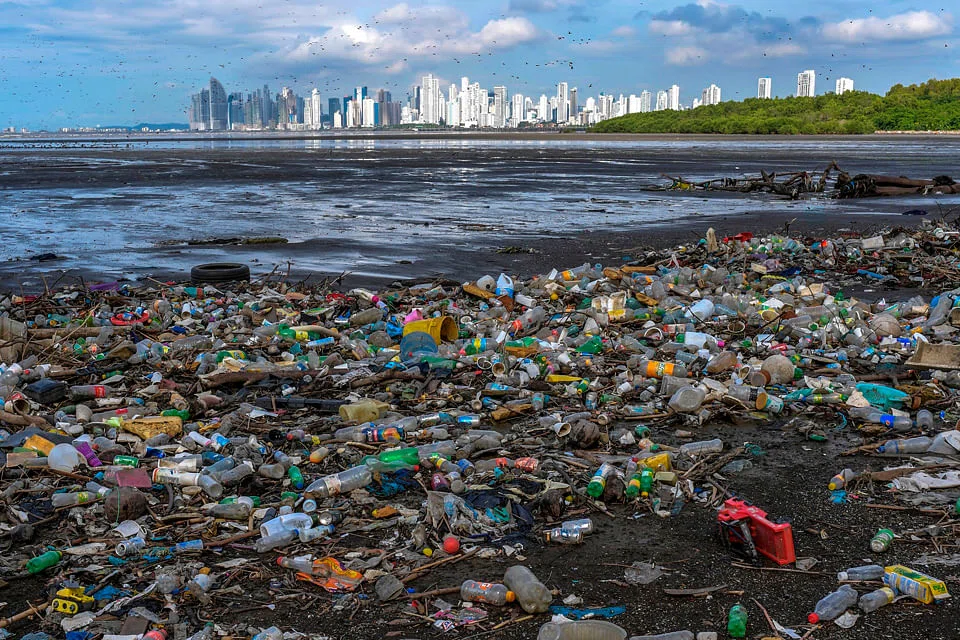
One of these is ocean plastic pollution - an issue that has attracted global attention in recent times, yet more than eight million tonnes of plastic still end up in the ocean annually.
Over the past six months, The Circulate Initiative worked with a multi-sectoral group of experts to understand the measurement landscape for the ocean plastic issue. We found that progress has been hindered by limited information, varying understanding of the issue and lack of data to establish baselines or track impact. To accelerate action and mitigate the environmental, health and economic repercussions of ocean plastic pollution, we need greater investment in sectors such as waste management, recycling and the circular economy. This in turn calls for consistent data and tools so that investors can understand the scale and nature of the problem, as well as the impact of efforts to address it, to inform their decisions.
A fragmented measurement landscape
While there is a wealth of knowledge out there on ocean plastic pollution, information is siloed and fragmented. No one currently has a complete picture of the problem or a way to accurately gauge the impact of solutions, making it difficult to know which should be accelerated and scaled.
All stakeholders - from governments to private sector, non-government organisations (NGOs) to researchers - are working independently on measuring different aspects of the issue, in different geographies, and often with different methodologies. For instance, waste worker cooperatives are focused on addressing issues around livelihoods of waste collectors, while ocean scientists are focused on environmental impacts. We are collecting significant amounts of data, but not coordinating or sharing it.
Moreover, there is no common platform that facilitates information transfer, which means that at the point of decision-making, stakeholders - including investors - struggle to access the relevant information they need. This also leads to multiple assessments of the same area, resulting in confusion and an overlap of resources which could be better used to address other information gaps, such as in monitoring and evaluating ocean plastic solutions, and assuring they are delivering the intended results in line with global standards.
This applies to other emerging sectors that attract ESG and impact investment as well. While understanding the problem and identifying solutions are critical components of the groundwork, it is important to allocate adequate resources to evaluate progress and assure results in order to hold all players accountable and verify the impact of their activities.
Critical gaps in measurement
For issues such as ocean plastic where the conversation has recently started gaining momentum, there are several foundational gaps in the core understanding of the problem that must be resolved. For instance, even the language used to describe what we are measuring varies, such as "ocean plastic", "beach plastic", and "ocean-bound plastic", and creates misalignment.
There are also no standard methodologies to measure plastic pollution; and competing approaches often make it difficult to compare results. This hinders decision-making and action by not just investors but other stakeholders such as policymakers and the private sector, as they are not able to accurately establish the extent and implications of the problem, nor the efficacy of solutions.
While a lack of standardisation stands out as a key issue, there is also a gap in reliable tools and metrics that are tailored to different geographies. Most of the resources that measure the impact of recycling and waste management solutions are built for mature markets, like the US and Europe.
These cannot be applied directly to vastly different emerging markets such as South and South-east Asia, which grapple with complex and distinct waste management issues. This is a common measurement disparity faced by several ESG and impact investors; and is one that must be addressed in order to develop and scale effective solutions for different markets.
The way forward
While many of the gaps we have discussed are specific to the measurement landscape in ocean plastic pollution, the same themes run across other sectors that need recognition and investment from ESG and impact investors.
Addressing these gaps calls for systemic changes, starting with creating harmonised and holistic definitions and methodologies for establishing baselines for the problem in focus and success metrics for solutions.
For ocean plastic pollution, this means better sharing of information and greater transparency and compatibility in methodologies. It also means looking beyond the effectiveness of waste management and circular economy solutions in reducing plastic waste entering the ocean, and at how they can support other priorities such as economic development and climate action.
We also need to account for the differences in geographies and economies; and establish locally relevant baselines and impact targets. There is a need for localised innovation to understand waste flows and broader societal and environmental effects to develop and scale the most effective solutions, as what works in San Francisco will not be effective in Ho Chi Minh City.
Most importantly, we need to develop innovative approaches to collect and share data, and integrate the resources and tools available, so that we can build on each other's efforts. Such shared platforms would prevent resource wastage on one-off data collection activities and set the stage for longer-term monitoring and accelerated impact across the board.
Conclusion
The SDGs highlight how all social and environmental goals are interconnected, and governments alone cannot address the complex set of issues we face today. Investors play a critical role and can influence the direction the world is headed in. To maximise the impact they create, it is critical that they are equipped with data, tools and resources to inform their decision-making and strategies.
Having reliable data and standard methodologies to understand the problem holistically and identify effective solutions will also help attract greater ESG and impact investment, as well as allow different stakeholders to leverage their efforts for greater impact. It is only through such informed, aligned and collaborative action that we will be able to build truly sustainable economies.