

Reopening's boost to demand, sentiment could help avert stagflation fear for Singapore
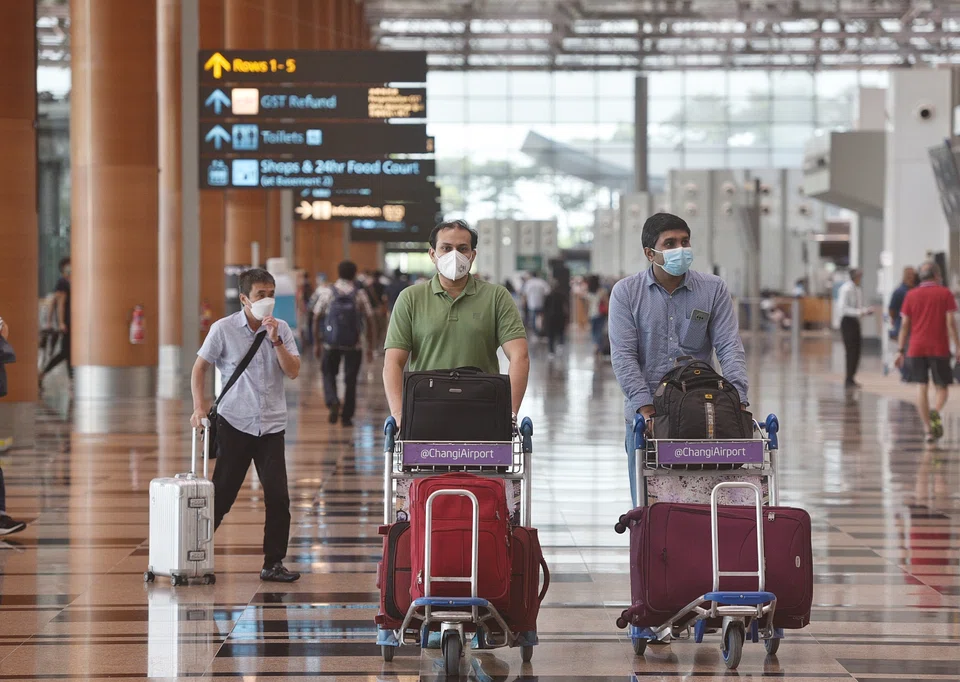
NO GROUP size limits, no safe distancing, no once-ubiquitous SafeEntry check-ins. On Apr 26, life in Singapore returned to the closest thing to pre-Covid normalcy since the pandemic began two years ago.
Meanwhile, the last remaining hurdle for fully vaccinated travellers here – the need for a pre-departure test before entering Singapore – has also been scrapped.
All this should bode well for the republic’s continued economic recovery, as it broadens beyond the erstwhile driver of manufacturing into services-led growth.
Further reopening should boost both visitor arrivals and domestic consumer sentiment, translating into higher demand, not least for the beleaguered aviation and tourism sectors.
Yet over this cheerful picture of a country beginning to truly live with Covid-19, there looms an ominous spectre: the threat of unsustainably high inflation.
To avert this, the Monetary Authority of Singapore (MAS) has already moved twice this year, with an off-cycle policy decision in January, and a two-step tightening at their usual policy meeting in April. It is expected to continue tightening at the next meeting in October – or even sooner, if needed.
But as some economists observed when this week’s inflation figures came in at decade-long highs, the MAS response alone may not suffice to rein in inflationary pressures.
Maybank economists, for instance, have raised the possible need to defer cost-increasing manpower policies, as well as a potential supplementary Budget to help lower-income households cope with rising costs of living.
Yet that observation itself highlights an important dynamic: as rising wages have themselves been a key driver of inflation in Singapore, they might remain ahead of consumer price increases, allowing for positive real wage growth.
The trick is to avoid a dreaded wage-price spiral – where wages and prices each try to outpace the other – while ensuring the maintenance of spending power.
And while fears of stagflation – the unhappy combination of stagnating growth and too-high inflation – have crept into headlines elsewhere, this does not appear to be a pressing concern for Singapore, at least for now. Both the MAS and private-sector economists have maintained relatively healthy forecasts for above-trend growth.
If there is a silver lining to the impending stormcloud of inflation, it is that these pressures are being faced alongside reopening and renewed optimism on the pandemic front.
There are very real factors affecting Singapore’s economic prospects, of course, from the Russia-Ukraine war to lockdowns in China and supply chain disruptions.
Yet growth is still partly a function of sentiment and expectations. Though the danger of runaway prices should not be dismissed, reopening euphoria and “revenge spending” could help to buoy demand enough to avoid the stagnation half of the stagflation threat, at least.






