

Rice price surge highlights long-term climate risks
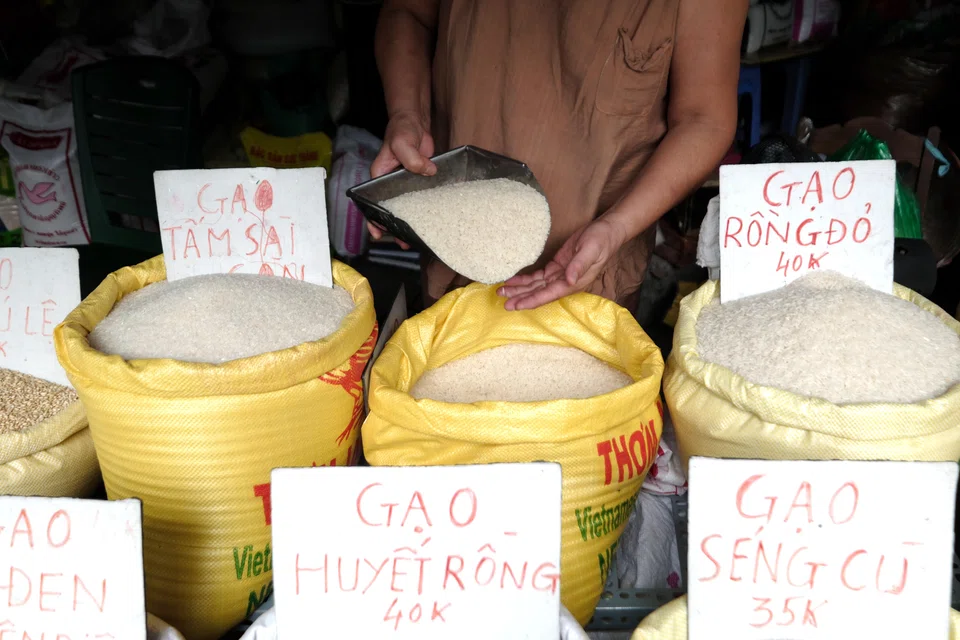
RICE bowls around the world are under threat, as prices of the staple grain soared to a 15-year high in recent weeks. The surge was prompted by an abrupt export ban by India, following poor weather conditions. This highlights a much more complex problem for the global rice trade – growing climate risks that require urgent attention.
In July, India halted exports of non-basmati white rice varieties, in a bid to keep domestic prices under control. Retail rice prices had risen 3 per cent in the span of a month, following heavy monsoon rains that damaged crops. With India accounting for 40 per cent of global rice exports, the move sent global trade of the commodity into turmoil.
In Thailand, the second-largest rice exporter after India, the price of a benchmark variety – Thai white 5 per cent broken rice – spiked to US$648 per tonne, the highest point since 2008. While the country enjoys a comfortable rice surplus every year, the market is now “in chaos” as exporters cannot offer price quotations amid the uncertainty, an official from the Thai Rice Exporters Association told Nikkei Asia.
TRENDING NOW

GCash parent Mynt rises in market debut after South-east Asia’s top 2026 IPO

In the age of AI, what is a university education for?

Singapore to use ‘every legal and regulatory lever’ against companies linked to haze: Shanmugam

‘IPOs are not the only vehicle’: KKR heads for record exits even as firms stay private for longer

