

Rounds of 'cheap' money over, now worry about the huge debt
As interest rates stay on the floor after years of quantitative easing, several Asian governments stress the need for vigilance against a possible repeat of the 1997 debt crisis.
 Add BT as a preferred source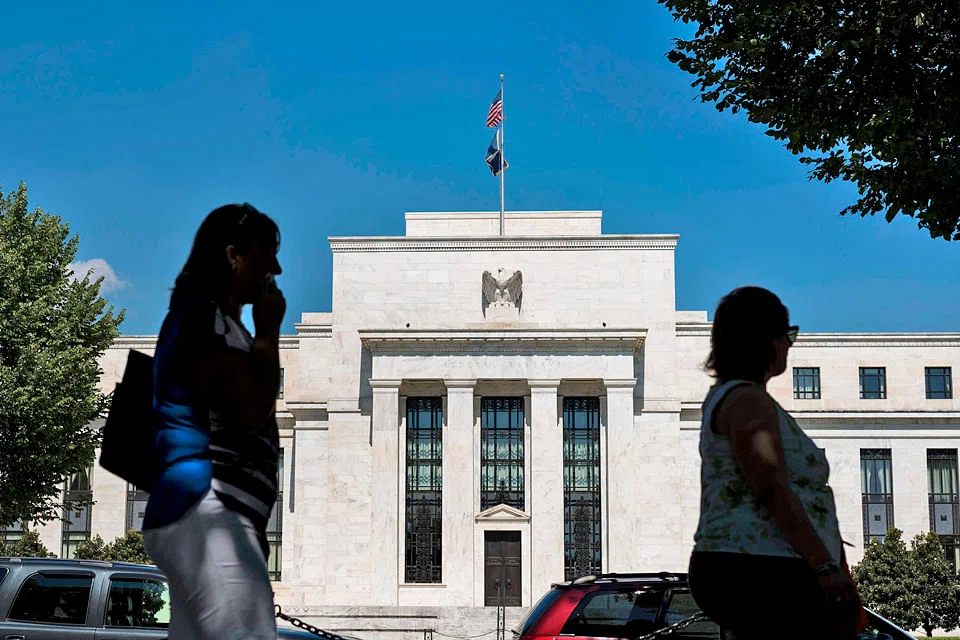
DeeperDive is a beta AI feature. Refer to full articles for the facts.
THE US Federal Reserve has finally "pressed the button" on ending its massive monetary easing, but the action has created remarkably little market alarm so far. However, this calm is likely to last only until shock waves begin spreading out across the sea of liquidity that the Fed has created.
This is not so much about shock to the US economy (though that may prove to be greater than expected) but about the likely trauma to myriad economies where dollar liquidity has flowed in tidal waves, pushing up asset prices to bubble levels and fuelling a massive borrowing binge.
The world has gone deeply, deeply into debt since the 2008 global financial crisis, to the point where global debt has hit US$217 trillion, equal to a record 325 per cent of gross domestic product (GDP), according to the Institute of International Finance (IIF), with some US$165 trillion of that being in mature economies and US$53 trillion in emerging economies.
Copyright SPH Media. All rights reserved.
TRENDING NOW

‘Boring’ is the new black: The stars are aligning for a Singapore stock market revival

Near sell-out launches in March boost developer sales to 1,300 units after four slow months

China pips the US if Asean is forced to choose, but analysts warn against reading it like a sports result

Genting Singapore’s Lim Kok Thay receives S$7.5 million pay package for FY2025

