Russian situation may have its impact on global economy
Singapore
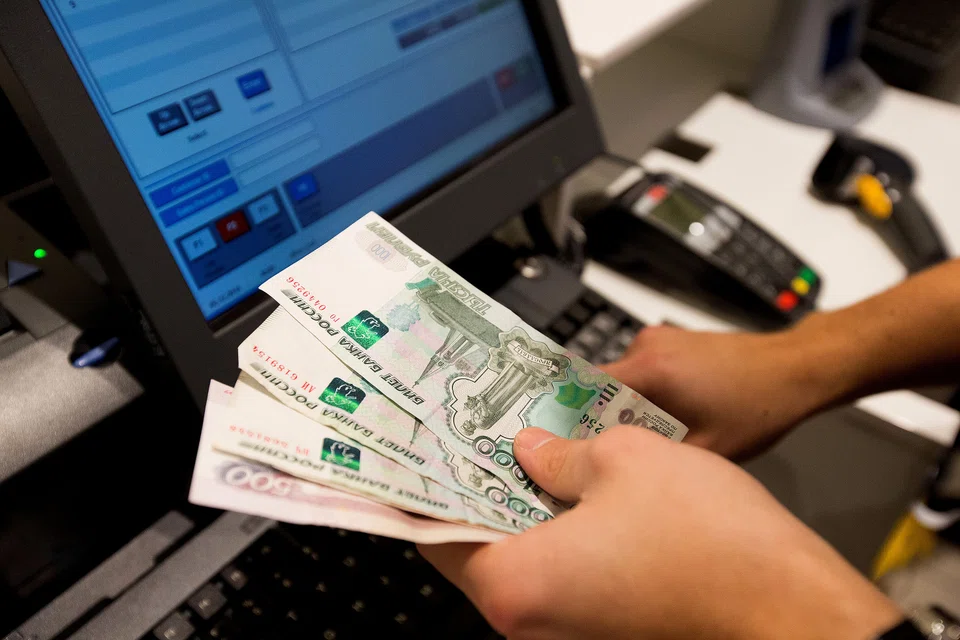
DESPITE a drastic 6.5 percentage point interest-rate hike by the Russian central bank on Monday in a bid to prop up the country's falling currency, the rouble has continued to get battered, prompting fears of an economic crisis. It has already lost half its value this year, first caused by Western sanctions and, in recent weeks, by plummeting oil prices.
Oil and gas account for half of Russia's tax revenue and it also needs the price of oil to be around US$100 per barrel to balance its budget. Of course, the price of crude is nearly half of that. Fortunately for Russia, the low price of the rouble was cushioning it from falling oil prices. But the currency could not withstand the pace and extent at which the rouble has fallen, adding more pressure on it and prompting the central bank to suddenly raise rates from 10.5 per cent to 17 per cent.
Reportedly, US$100 billion of this debt is due next year and with the current situation likely to worsen, there are serious doubts over the ability of the economy to repay these debts. Such a scenario rekindles memories of the last time Russia defaulted on its debt, in 1998.
Then, the Boris Yeltsin-led Russia saw its currency collapse, with interest rates rising to 100 per cent. The rouble eventually devalued and capital controls were introduced as an IMF bailout failed.
Some of these fears of a repeat of 1998 are not unfounded. There are similarities between now and then - oil prices and the rouble are both crashing through the floor, as they were in 1998. The US Federal Reserve's policy also looks set for a rate hike. Investors then lost confidence in the measures and ability of the central bank to arrest the problem and they fled the Russian market by selling roubles.
This could be likened to the 11 per cent slide in the rouble on Tuesday as investors rejected the central bank's knee-jerk reaction of a sudden and significant interest-rate hike. Russia then used its foreign reserves to prop up its currency - a similar policy to what the Russian finance minister announced on Wednesday.
There are, however, some notable difference between now and 1998 as well. Russia now uses a flexible exchange-rate regime, compared to a floating peg policy it employed then, which will mean that the Russian central bank does not have a figure to commit to and it will make its task of defending the currency a cheaper one. Russia also has a much larger foreign reserve treasure chest, estimated at US$400 billion, so it has more ammunition to fight the crisis if needed. Whether Russia manages to escape this situation and prevent it from escalating to another 1998 crisis depends on its ability to assure investors that it is able to manage the situation. Unfortunately for it, part of this process may also involve a factor that it has little influence over - a recovery in oil prices, which will give Russia a much-needed economic boost.
The oil price recovery depends very much on what is the main catalyst of the price decline in the first place - excess supply or a drop in demand. If it is the latter, then Russia will hope that a recovery in the US next year can help boost energy demand and jolt prices. But if it is supply driven, then it seems unlikely that Opec is tilted towards doing Russia a favour anytime soon. On the other hand, the world may not be immune to whatever happens in Russia too - it could already have an impact on countries elsewhere.
The Fed, meeting on Wednesday night on its monetary policy decision, will be closely watched to see if it is influenced by the turn of events in Russia, as it is widely expected to begin its rate raise by next year. The last Federal Open Market Committee (FOMC) meeting noted oil prices are unlikely to determine its decision on rates.
However, oil prices and the Russian situation were different then. While it is unlikely that the Fed will raise rates now, it is also as improbable that it will shelve decisions to do it next year. The likelihood that it will instead embark upon a more gradual interest-rate hike cycle is high since the Fed will want to monitor and assess the situation in oil prices and in Russia.
As a result, Fed chair Janet Yellen may be expected to work on semantics and drop the phrase "considerable time" from the Fed's policy statement. Whatever happens at the FOMC meeting will play a significant role in calming jittery investors' nerves globally.
Russia and oil prices have already made their impact on other emerging markets as investors shift their capital to safe havens. Indonesia and India both saw their currencies drop to record low levels this week as investors bailed out. In the long term, though, both the countries could stand to gain if the Russian situation persists or worsens. New money looking for investment destinations that would have previously gone to Russia will now go into these relatively safer high-yielding places.
Both India and Indonesia are net oil importers as well, so cheaper oil imports and capital inflows will likely appreciate their currencies in the long run, allowing their central banks the room to lower rates, since they both have high inflation rates, and to boost their respective domestic growth.
It may not be 1998, but 2014 is likely to mark an important chapter in economic history that could shape the global economic regime for a much longer time to come.