

Saudi-Iran rivalry threatens to upend Middle East politics
A shared hostility against Iran among Washington, Riyadh and Tel Aviv, along with growing domestic unrest and rising nationalism, could destabilise the region.
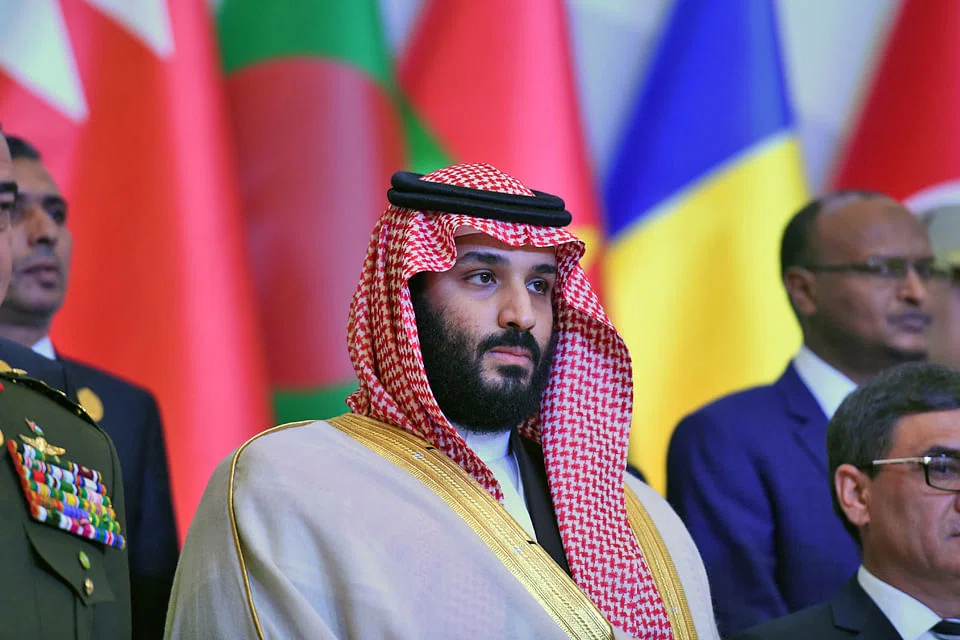
THE crystal ball for 2018 reveals that the Islamic heartland is where the winds of change now blow at gale force. Shifts in alliances around the rivalry between Saudi Arabia and Iran have accelerated change, ensuring the region will witness greater conflict and uncertainty. On one side is Saudi Arabia, the United States and Israel. On the other is Iran, Russia and Turkey.
Two historic events of 1979 continue to impact the region. First, the Islamic Revolution in Iran shifted the one-time staunch US ally to being a target of sanctions. Incipient Saudi-Iran rivalry assumed a sectarian edge. After the 1990s, the US "dual containment" policy also included Iraq, which suited both Saudi Arabia and Israel.
The second was the Soviet intervention in Afghanistan, bringing the US Central Intelligence Agency, Pakistan's Inter-Services Intelligence and the Saudi General Intelligence Directorate in a partnership that used the concept of "jihad" to raise, indoctrinate, train and equip the "mujahideen" in a generously funded covert war to fight so-called "infidel communists" in Afghanistan. The blowback created Al Qaeda just as the US intervention in Iraq in 2003 spawned the Islamic State.
TRENDING NOW

Singapore updates renewable energy certificate standard to tackle greenwashing; unveils new solar efforts
Director of PR firm sacked for secretly recording internal meeting loses wrongful dismissal claim

Indonesia says gas export cuts to Singapore remain within contract terms

Time for MAS, SGX to scrutinise issue managers

