

Securing a sustainable energy future
Energy providers, together with regulators and consumers, have significant roles to play in powering a future that is both secure and sustainable.
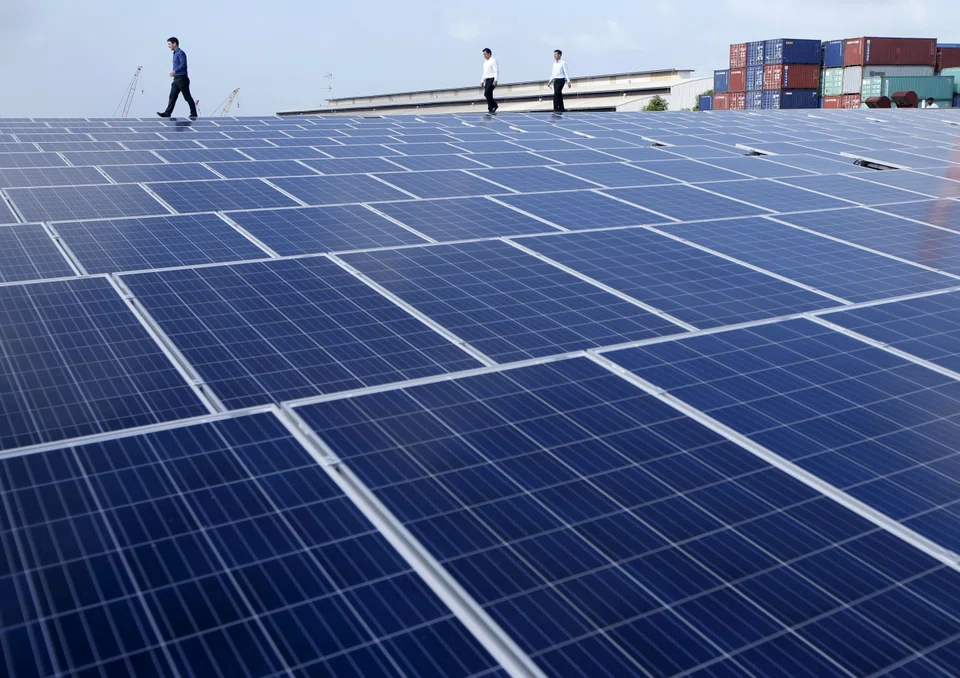
AS EVIDENCE of climate change continues to mount, global efforts to decarbonise have taken on a new urgency. Energy providers have a significant role to play and are unsurprisingly dealing with heightened pressure from regulators and investors to curb emissions while supporting energy security and affordability.
Renewable energy provides a path forward. Volatility in the natural gas market and geopolitical shocks have made it necessary for countries to diversify their energy mix and reduce their reliance on gas. Governments are keen to fill supply gaps with renewable energy, but for that to happen, the renewables sector needs emerging technologies and markets to take a major leap forward.
With many Asean countries experiencing strong growth in electricity demand, regulators and energy providers in this region face challenges in deciding the best energy mix and the supporting investments in the grid, to accommodate a higher share of renewable energy. The outlook is hopeful: According to the 59th EY Renewable Energy Country Attractiveness Index, the Philippines, Vietnam and Thailand are among the top 40 markets based on the attractiveness of their renewable energy investment.
Renewable technologies offer huge potential
With energy prices expected to remain volatile for the foreseeable future, energy providers have an unprecedented window of opportunity to leverage technological innovation and explore investments for growth in renewables. Many renewable technologies that were considered high-risk previously are fast showing the potential to become mainstream and are attracting investment interest.
This can be an inflection point for emerging green technologies such as floating solar and floating wind. Increasing demand for new sources of green energy will drive research and spark technology advancements, bringing down costs. Combined with the fact that intermittent renewable energy can be used to produce green hydrogen, it has considerable potential to be a game changer for energy transition. Green hydrogen has also emerged as a carbon-free fuel for transportation, and as a source of heat in homes, businesses and industrial processes as well as dispatchable power to back up intermittent renewables.
The commitment to reduce carbon emissions is uneven, and the maturity of clean energy adoption differs vastly across countries. Government policies and intervention have been and will continue to be key, with many governments leveraging carbon pricing as the common denominator to incentivise decarbonisation. Consumer response has been a constraint in the decarbonisation journey as well. Not all consumers can install rooftop solar panels and reduce their grid consumption. It will take time for consumers to adopt new technologies such as electric vehicles, and addressing these issues will require capital investment.
For investors and developers of renewable projects, the short-term investment climate in renewables is attractive. However, barriers such as legacy systems, complex permitting processes, integration difficulties, uncompetitive or challenging financing environments in a context of rising interest rates as well as issues relating to storing and trading power between markets, remain.
Accelerated grid investments needed
The International Energy Agency indicated that it could take a 50 per cent rise in global grid spending over the next decade to meet long-term sustainability goals. Significant investment in nearly 7 million km of transmission lines around the world will be crucial in supporting the continued transportation of renewable energy.
Given the extent of grid development needed across the globe, regulators should reconsider the regulatory and financing environment so that outdated grid systems do not become a major hurdle in the race to net zero.
Some markets are already working on solutions to streamline these processes. For example, hydrogen is likely to play a key role in the UK’s efforts to decarbonise its power system by 2050, with green hydrogen supporting grid flexibility by providing storage solutions for excess generation. Coupling electrolytic hydrogen production with storage helps integrate hydrogen further into the power system, by balancing the grid when generation from renewables is higher or lower than demand.
In the US, large power users such as municipalities, industrial companies and universities are looking to become “energy islands” by turning hyper-local electricity or electric vehicle networks into distributed energy resources.
In Singapore, proactive steps have been taken to facilitate solar energy deployment, while ensuring power grid stability. Beyond investments in storage and solar forecasting and initiatives to promote growth of Singapore’s solar photovoltaic industry, the country has eased regulations for solar installations to connect to the national grid. This is expected to support a future where solar energy forms a more significant portion of Singapore’s energy mix.
Decarbonising Asean will require greater cooperation and grid investments between countries, to facilitate exports from areas with surplus renewable energy resource to countries in need of the electricity. Cross-border investments require careful consideration to ensure a fair balance of investments, job creation and value creation, to benefit the whole of Asean in the long term.
Public-private partnership key to unlock opportunities
As the energy industry and countries make the transition to a net-zero future, close public-private partnership will be crucial to the fruition of new sustainable sources of energy – their distribution, security and affordability.
From a regulatory perspective, policies and incentives can provide clarity on tariffs and drive investments in R&D or technologies for greater efficiency. As private players, companies can contribute by rethinking their role in the renewable energy sector and sharing feedback, data and best practices with regulators and the broader sector to support policymaking and the industry’s growth. Consumers can do their part too by educating themselves on the renewable energy services available and seeking out products that are greener, thereby creating greater supply-demand momentum.
Ultimately, advancing the transition to clean energy not only helps to save the planet, but also offers opportunities for economic growth.
Eric Jost is EY Asean energy leader and Gilles Pascual is EY Asean power and utilities leader. The views here are the writers’ and do not necessarily reflect the views of the global EY organisation or its member firms.
TRENDING NOW

China Investment Corp, PGIM’s 50% stake in Nex mall up for sale; asking about S$1.2 billion

Higher rates, weaker spending: Is the Philippines entering stagflation?

Singapore tech stocks plunge as Nasdaq bloodbath spills into region
OCBC wealth clients turn defensive amid market volatility as Q3 profit rises 3%

