

SGX glitch not a negative commentary on its technology
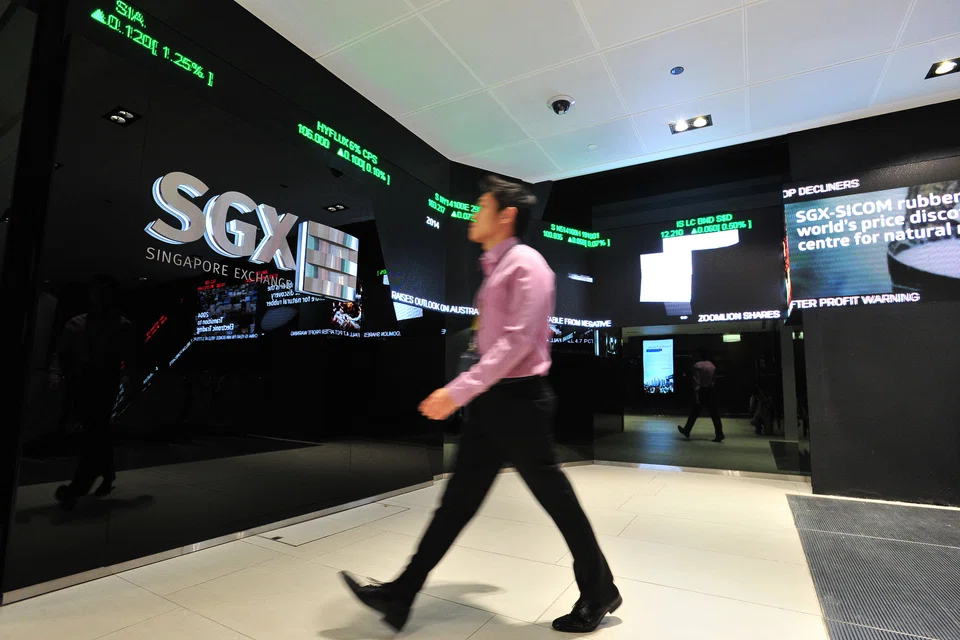
THE power outage which suspended trading for three hours on Singapore Exchange (SGX) last week is a reminder of how dependent we have become, as a society, on technology not only for doing business but also for almost every aspect of our daily lives.
It's also a reminder that technology is not a "silver bullet" that can be fired and forgotten about. It needs to be nurtured and monitored; it is a means to an end, not an end in itself. The exchange has a state-of-the-art IT (information technology) network with multiple fail-safe systems built in. And yet a bolt of lightning, which lasted for barely 0.1 seconds, was enough to take down the trading system. SGX hasn't released any numbers but brokers have complained of a loss in income due to the outage.
The board of inquiry set up by SGX will eventually unearth why the bourse's uninterruptible power supply (UPS) system malfunctioned. Before criticising SGX, it needs to be remembered that exchanges going down due to IT systems malfunction is hardly unique. In July this year, the Bombay Stock Exchange (BSE) in Mumbai, India, went down, also for three hours, due to a computer glitch. Last year in August, the Nasdaq was also down due to a technical glitch. The London Stock Exchange, New York Stock Exchange and the Deutsche Boerse, to name just a few, have all suffered from some form of disruptions related to their IT systems over the past few years. And it's not just the stock exchanges. In 2010, DBS' banking services were disrupted for more than seven hours, due to a technical fault. In this case it was later established that wrong procedures followed by an engineer performing a minor repair on the DBS Group's data storage system caused the massive failure.
Like DBS, other banks have, on and off, experienced difficulties with their IT systems which have resulted in problems for customers and possibly some form of monetary loss. Even the three telcos in Singapore have, at one time or the other, experienced network problems which have resulted in service disruptions and fines being imposed on them. These incidents come out from just a cursory glance at the data. A more detailed examination would reveal dozens of such incidents from around the world. While one can compile a litany of examples of how technology systems have failed, resulting in everything from mild inconvenience to huge monetary losses, one needs to balance such a point of view with the kind of gains that have resulted from the use of technology.
Over the past decade-and-a-half, the world has witnessed a technology boom. And today, society is on the cusp of a major leap with Big Data analytics poised to pervade virtually every sphere of human activity. It's within this context that the SGX incident needs to be viewed. As pointed out earlier by BT, last week's incident is the first major incident at the bourse in more than seven-and-a-half years, which translates to about 99.96 per cent working rate on a daily basis. This is not to suggest that SGX be let off the hook, but the focus should be not on questioning its competence but on figuring out what went wrong. SGX should view the outage as an opportunity to review its processes thoroughly in order to develop a new set of SOPs which would prevent a recurrence. The gains from the use of technology far outweigh the pitfalls. Unfortunate as they are, incidents like these will happen, hopefully with increasing rarity. But when they do, they can yield valuable lessons on the correct deployment and use of technology.






