Shifting narrative on the rupee demonetisation
With the measure's unintended consequences, Modi seems to suggest now that its main aim was to move towards a digital or cashless society.
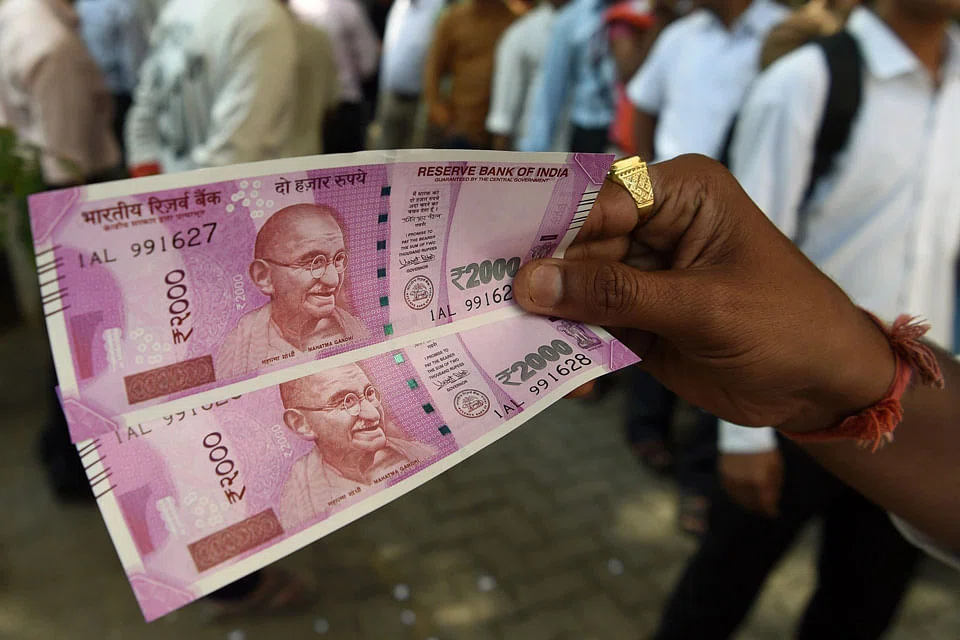
ALL eyes were on the outcome of the fifth bi-monthly policy review of the Reserve Bank of India's (RBI) Monetary Policy Committee (MPC) for some clarity regarding the macroeconomic impact of the demonetisation exercise in India that was initiated on Nov 8.
With the unanimous consent of all the six members of the MPC, the RBI's decision on Dec 7 to leave the benchmark policy rate (the repo rate) unchanged at 6.25 per cent surprised the market somewhat. While India has been a growth star in a disinflationary global economy, recent data suggests a slowing down of the economy - largely but not solely due to the withdrawal of 500 and 1,000-rupee notes from circulation, which has resulted in a sharp credit squeeze.
Several small and medium-size businesses, agriculture-related businesses and other business activities belonging to the informal sector which are almost completely cash-dependent have faced severe economic disruption. In view of this, the general expectation among analysts was that the RBI would reduce its key policy rate by at least 25 basis points to partially offset the growth slowdown.