

Short-term thinking a killer in the long run
Embedding corporate strategies with sustainability is best way forward.
 Add BT as a preferred source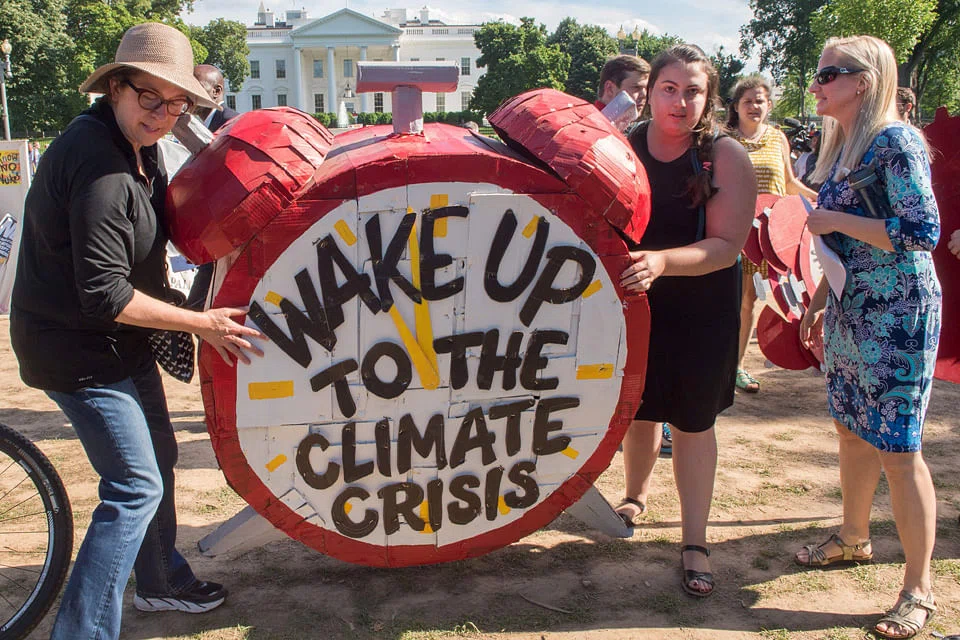
GOOD news isn't written overnight. Headlines by nature may be heralding and immediate, but the back-end story is one of strategy, sweat and concerted effort over time. So, when the World Wildlife Fund announced a rise in wild tiger populations last year - a notable feather in conservationists' caps that disrupted the endangered species' 100-year consecutive decline, you've got to know some serious teamwork must have pulled off a scale-tipping feat of such proportions. The population upsurge was not the result of one or two heavy lifters, but the by-product of many hands carrying the load together.
When it comes to something as broad and ambiguous as sustained corporate success how do you rally small, conglomerate change? When the fruits of your efforts are less quantifiable than 690 additional cute and cuddly tiger cubs to the planet, how do you motivate boards, governments and corporate partners to invest in rewards they can't run their fingers through?
The fact is, climate change is eating away all facets of "business as usual" and demanding a brave new breed of business that calculates the cost of ignorance. It's time that companies regard their own inertia as ticking time bombs and wake up to the urgency of sustainable investment. But for this to happen, we need to adopt a new narrative to motivate change.
TRENDING NOW

ComfortDelGro’s Zig to buy S$10 million worth of BYD cars for private-hire fleet

Singapore telco price war squeezes earnings, strengthens case for StarHub-M1 deal, say analysts

Sats slides 13.6% as investors dump shares on profit-margin squeeze

When every phone becomes a satellite phone, what happens to Asia’s telcos?

