

Singapore eyes hydrogen in net-zero quest
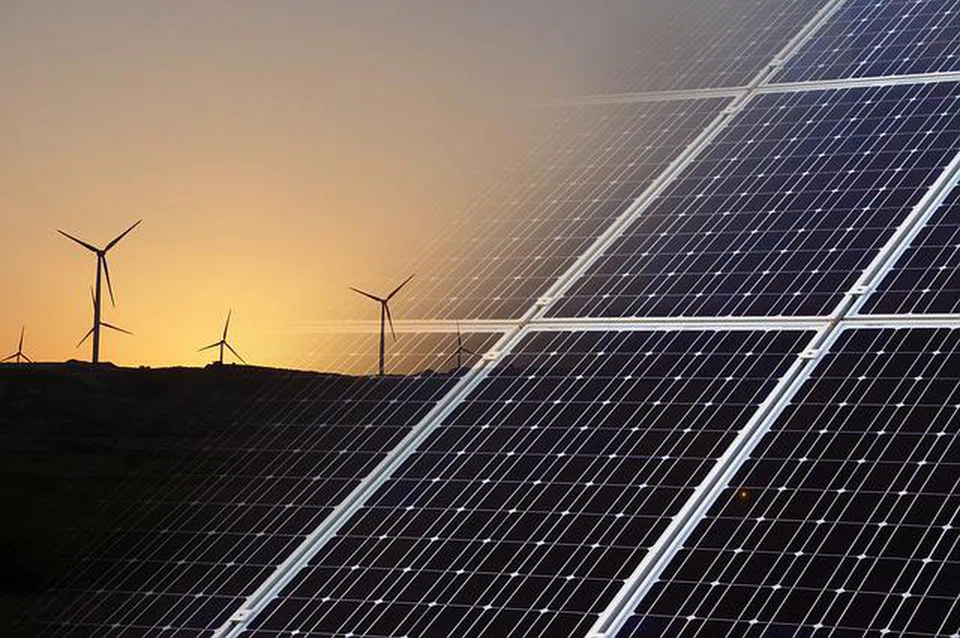
SINGAPORE has set its heart on low-carbon hydrogen as a potential fuel to help speed up its clean energy goals – to hit net zero by 2050. If it works according to plan, by 2050, up to half of the city-state’s power sector, which currently accounts for 40 per cent of total emissions, could be hydrogen-powered.
It is a bold move given the current state of play in the hydrogen space, although Singapore is far from alone. It joins thus far some 26 countries with national plans earmarking low-emission hydrogen as a pillar of their energy sector’s green strategies. It also appears to be an ambitious goal, coming in at the higher end of the Energy 2050 Committee Report released in March this year. The report, commissioned by the Energy Market Authority, painted a set of possible scenarios in Singapore’s quest to achieve net-zero emissions by 2050. It envisaged that low-carbon hydrogen could account from as low as 10 per cent to as much as 60 per cent of the city state’s energy supply mix, depending on several factors, chiefly technological advancement.
In recent years, hydrogen as a global pathway to decarbonise has gained tremendous momentum owing to unprecedented investments as well as public funding and policy support. Even so, the reality of hydrogen as a decarbonisation tool, albeit a hopeful one, is that it is some way from widespread adoption. Hydrogen-related technologies are still at a nascent stage of development, with limited commercial opportunities over the short term for now. Also, there is no global supply chain for hydrogen.
While hydrogen demand reached 94 million tonnes (Mt) in 2021, recovering to above pre-pandemic levels of 91 Mt in 2019, much of the increase was met by hydrogen produced from unabated fossil fuels, with no benefit for mitigating climate change, according to the International Energy Agency’s (IEA) Global Hydrogen Review 2022 report released in September. Merely 4 per cent of hydrogen projects at advanced planning stages are under construction or have reached final investment decision (FID), said the report, citing demand uncertainties, lack of regulatory frameworks and availability of infrastructure as factors.
Recall that the advent of solar power generation technologies happened in 2000 (in Germany). But it was only in the mid to late 2010s that solar power reached economies of scale and cost fell sharply, thanks in large part to China’s mammoth-scale production and supply chain development.
While it took solar energy more than a decade to come of age, when it did, it inexorably transformed the renewable energy landscape. This time, hydrogen’s journey to reach maturity as a key clean energy fuel could be quickened by ambitious climate targets amid the global race to net-zero carbon emissions and policies to support its development and grow the supply-demand dynamics.
Singapore, a likely net importer of hydrogen, is playing to its strength in terms of innovation and research and development capabilities, as well as tying up with international and industry partners to build a conducive ecosystem. If the trajectory of solar (as well as wind) power is anything to go by, it would be unwise to downplay renewable hydrogen’s sweet prospects – and Singapore’s role in this potential game changer in the green energy transition.
TRENDING NOW

GCash parent Mynt rises in market debut after South-east Asia’s top 2026 IPO

In the age of AI, what is a university education for?

Singapore to use ‘every legal and regulatory lever’ against companies linked to haze: Shanmugam
‘IPOs are not the only vehicle’: KKR heads for record exits even as firms stay private for longer

