

Singapore must do all it can to maintain status as global events hub
SLOWLY but surely, Singapore's international events calendar - battered beyond recognition by the pandemic for much of the last couple of years - is coming back to life in 2022, and that is good news for numerous sectors of the economy, be it tourism and hospitality, food and beverage, services, retail and many others.
The biennial Singapore Airshow is on this week, but on a smaller scale than usual because of the uncertain Covid-19 situation around the world, but it's still the largest trade event to be held here since the start of the pandemic 2 years ago.
Come the end of September, the Formula One grand prix will be back for the first time since 2019, with the annual night race now confirmed for the next 7 years. There are also a number of major trade shows in the coming months, including the Singapore International Water Week in April and the World Cities Summit in August.
The Singapore Sports Hub, the country's largest venue for sports and entertainment events, is also set for a busier year ahead. There are international table tennis and mixed martial arts events confirmed for next month, and there are talks to bring some top European football teams - some media reports say one of them could be Liverpool from the English Premier League - to play pre-season friendly matches at the National Stadium in July.
It's a positive sign that there continues to be strong interest from overseas event organisers and promoters to bring their content to Singapore. But as the Sports Hub's chief executive Lionel Yeo said in an interview last week, the high-profile events like sports tournaments or world-class concerts will only come here if it makes economic sense to do so.
Realistically, no one will want to stage a major football competition or a concert at the 55,000-seater National Stadium if the venue is only allowed to admit, say, 10,000 people inside at the very most. But if the authorities were to raise the cap to 30,000 or even 40,000 to make the event more viable, another issue to consider is whether every ticket-holder must also undergo supervised pre-event testing for Covid-19, which is both an inconvenience and at extra cost.
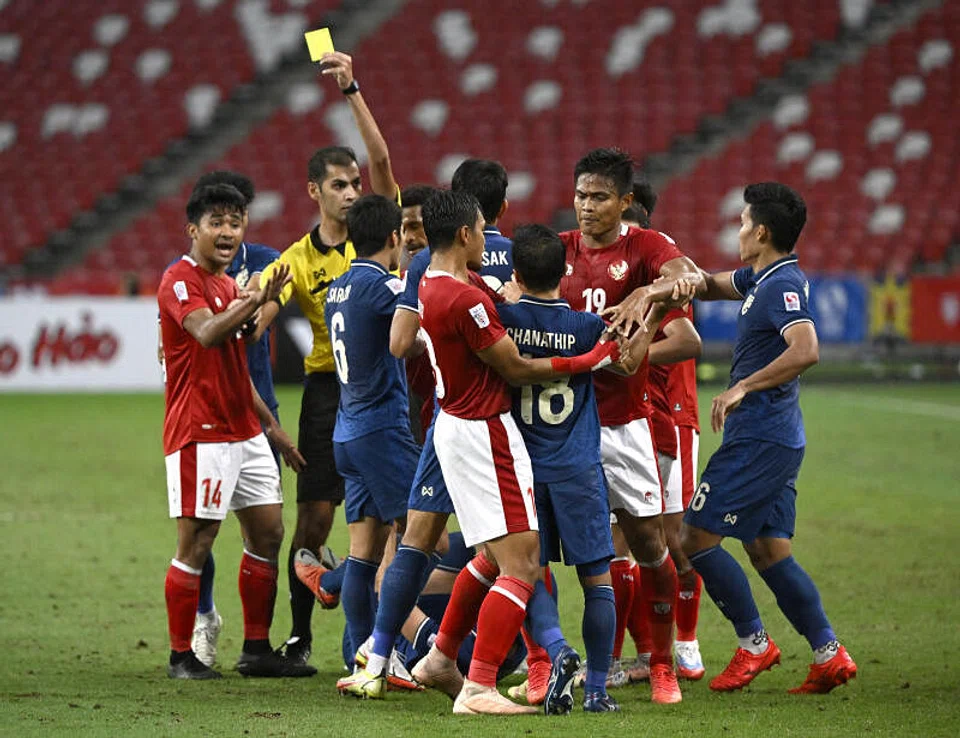
What's clear at this point is that there is definitely a high demand for live events. We saw proof of that at the recent Suzuki Cup football tournament in December; 85,000 people turned up over 12 days at the National Stadium. A concert by Singaporean singer J J Lin at the Marina Bay Sands was part of a pilot event that had 2,000 people present at the theatre without any safe-distancing required.
Of course, the resumption of live events - be it for business, leisure, entertainment or sports - and the ability to scale these to have greater attendances depends on the state of the pandemic and the accompanying safe-management measures, as well as whether international borders are open and foreign visitors are able to easily fly in and out of Singapore.
For now, Singapore remains a priority destination for many top events, and understandably so, but this can all change in a hurry if the country's rules make it too prohibitive for these shows to come here. As Yeo from the Sports Hub rightly pointed out, if Singapore is out of the scene for too long, there will invariably be other cities out there that are more than ready to step in and take these events for themselves. Singapore must do what it can to maintain its competitiveness and attractiveness as a global events hub.
TRENDING NOW
Government to bring forward raising of retirement age, give employers more financial support to create flexi-load jobs
If Europe goes to war, the fallout will be felt in East Asia
Indonesia stocks suffer worst plunge in nearly 30 years as MSCI proposes standalone status

Vietnam’s northern provinces, not Hanoi or Ho Chi Minh City, are powering near 10% GDP growth

