

Singapore should be a hub for digital assets but not cryptocurrency
Strict regulations on retail crypto investments will help Singapore separate the dross of market volatility, rug pulls and money laundering from the silver that lies in high value-added digital asset activities.
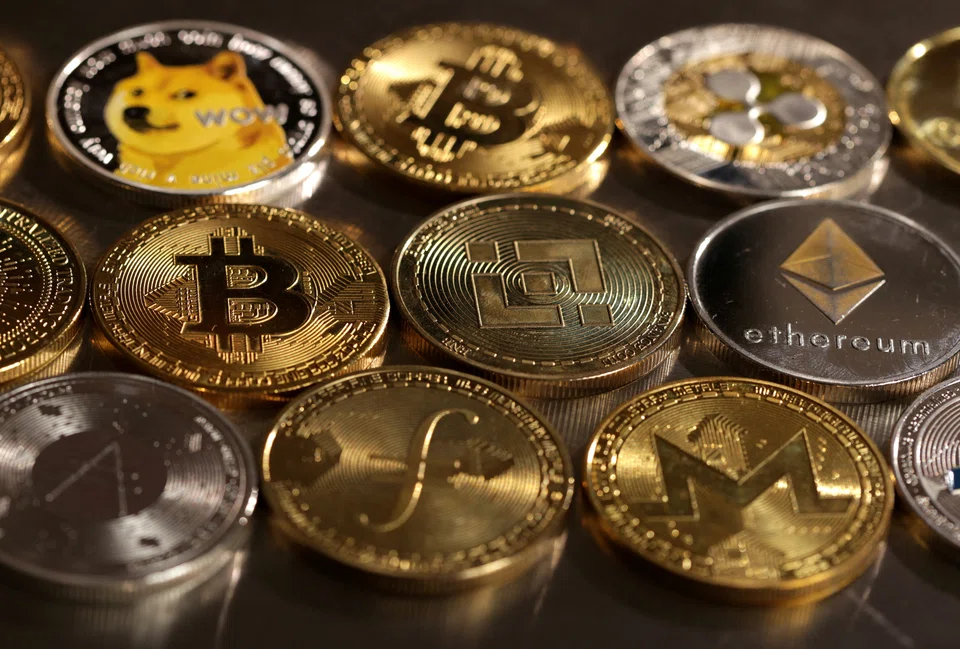
IN HIS address to a seminar on Aug 29 entitled “Yes to Digital Asset Innovation, No to Cryptocurrency Speculation”, Monetary Authority of Singapore (MAS) managing director Ravi Menon described cryptocurrencies as “highly hazardous” for retail investors and added that they needed to be more stringently regulated.
Yet, at the same time, Menon re-emphasised MAS’ aim to promote Singapore as a hub for fintech and digital asset activities.
Can Singapore be a leading fintech hub and at the same time shield its citizens from the risks associated with cryptocurrency? What is the difference between digital asset innovations and cryptocurrencies? Can we truly separate one from the other?
Without delving too deeply into technical details, a digital asset is essentially a digital (or digitised) version of a resource that is issued and transferred using blockchain technology. This could include images, videos, tokens, or even contracts. Digital asset innovations facilitate seamless and transparent transactions over the blockchain.
Cryptocurrencies are but one form of digital assets, having been digitally created and secured through cryptography. Like other digital assets on the blockchain, cryptocurrency transactions are verified by each member of the blockchain’s network. This makes it immune to interference or manipulation by any party.
Unlike other digital assets however, cryptocurrency is touted by its proponents as an alternative medium of exchange and a store of value – much like traditional currencies, but without the management of a central authority. This has, in turn, attracted the attention of investors, who now see cryptocurrency as an asset class at best and speculative investment at worst.
Cryptocurrency: A risky proposition?
Despite the advantages of digitisation and decentralisation, the risks associated with cryptocurrency are increasingly obvious to even the most casual of observers.
The story of cryptocurrency is one that is replete with cautionary tales of fortunes lost and lives disrupted. Much of this is related to the “crypto winter”, a sharp decline in value among leading cryptocurrencies that began at the start of 2022 and which shows no sign of abating.
Just 2 months ago, Singapore-based crypto hedge fund Three Arrows Capital collapsed as a global cryptocurrency sell-off and the collapse of the stablecoin Terra resulted in massive losses and prompted the liquidation of the hedge fund.
The crypto crash had already caused young investors in Singapore to lose substantial portions of their savings.
Aside from market volatility, concerns over fraudulent activities in the crypto space remain.
These range from money laundering to “rug pulls” — crypto scams where developers artificially push up prices of a new digital token before disappearing with the funds.
Keeping the baby, not the bathwater
Yet despite the risks and volatility associated with cryptocurrency, the technology that underpins these digital currencies — that is, blockchain — continues to hold much promise for both financial and non-financial applications.
A blockchain is essentially a distributed ledger that is shared among members or nodes of a computer network. Blockchains maintain a secure and decentralised means of keeping records, since every transaction “on chain” would have to be verified by all nodes of the network.
Given their ability to facilitate instantaneous decentralised transactions and secure publicly-available data, blockchains can be powerful tools for policymakers.
For instance, the MAS is co-developing a blockchain-based environment, social and governance (ESG) data and certification registry with local fintech company STACS. The registry is expected to provide a secure and transparent access to ESG data for financial institutions for the purposes of trade financing and portfolio monitoring.
The Accounting and Corporate Regulatory Authority (ACRA) has similarly set up TrustBar, a digital platform that keeps company information such as business certificates and profiles on a blockchain. This will not only allow members of the public to access and authenticate such information in real time, but prevent efforts to tamper with this information.
Hence, while blockchains are most commonly used as ledgers for transactions of cryptocurrencies such as Bitcoin or Ethereum, non-crypto applications of blockchain are becoming increasingly important as well.
Even as Singapore restricts retail investments in cryptocurrency, it is necessary to retain the advantages that blockchain and other fintech innovations can present to policymakers and institutional actors.
As Menon said in his speech, innovation and regulation are not incapable of co-existing. In fact, they are often complementary to each other.
Fintech hub, not crypto hub
At the heart of Singapore’s ambition to be a fintech hub should be its robust and responsive regulatory framework, long seen as a key “pull” factor for financial institutions seeking out stable systems to establish their businesses and carry out financial innovation.
From this perspective, strict regulations on retail investments in cryptocurrency will help Singapore separate the dross of market volatility, rug pulls and money laundering from the silver that lies in high value-added digital asset activities.
Certainly, this will mean an outflow of retail crypto platforms to more “crypto-friendly” jurisdictions such as Dubai. But this should not unduly worry Singapore.
Rather than hoping to capitalise on highly volatile trades in cryptocurrencies, Singapore’s long-term direction as a fintech hub should be centred on sustainable and ethical blockchain applications that can give rise to benefits for both financial markets and the real economy.
Just as high-frequency trading had resulted in the 2010 flash crash and unregulated financial instruments had caused the 2008 global financial crisis, an unregulated cryptocurrency market can severely disrupt Singapore’s financial markets and economy.
It is therefore imperative that the Republic keep its eyes focused on creating long-term economic value through well-regulated digital asset activities rather than reaping short-term gains from volatile crypto market fluctuations.
Dr Woo Jun Jie is senior research fellow at the Institute of Policy Studies, National University of Singapore.
TRENDING NOW

NEA identifies 7 firms responsible for haze fires, notices issued urging action: Grace Fu
DBS remains analysts’ pick ahead of Q3 earnings after Singapore banks’ share slump

High Court rules against Julius Baer’s Singapore trust arm in US$50 million family trust dispute

Could stablecoins be the future of money?

