Singapore's clout in global commodities trading can soothe troubled waters
Published Mon, Jun 4, 2018 · 09:50 PM

    WE ARE now seeing headlines almost daily about US-Chinese trade tensions, Brexit deals and Korean summits - all of which are keeping global trade in the spotlight.

    Consequently, we see renewed volatility in commodity prices, which impact commodity trade flows, affect the commodity traders, and down the line, the consumers of these commodities as well.

    But Singapore's strength as a hub in commodities trading could not only increase as a result of current disruption, but also have a calming effect on a global market in its long-term eastward pivot.


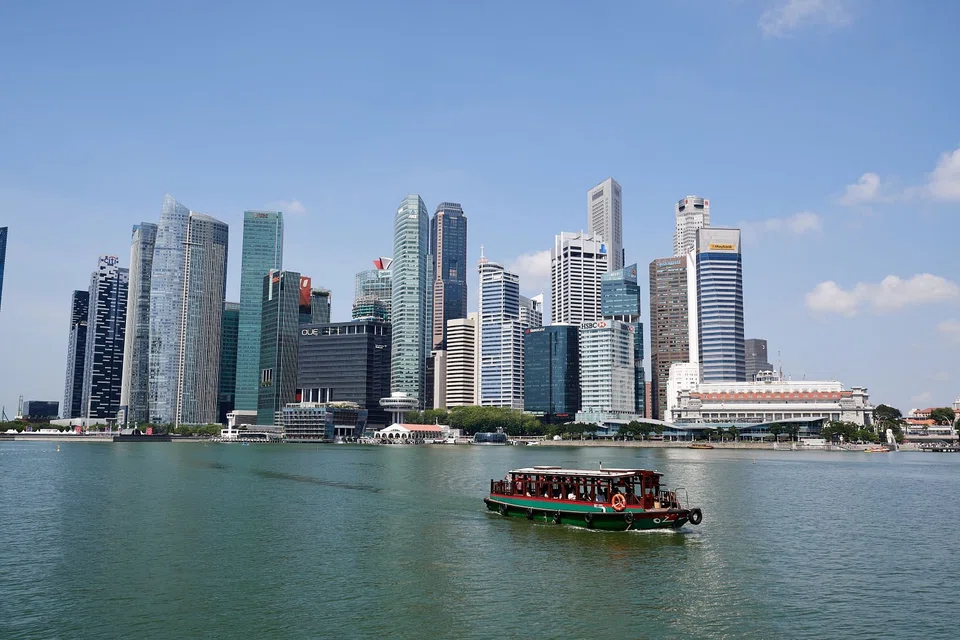
    The island state has a long track record in global trade and has developed a strong position, with a stable platform for economic growth, developed infrastructure, robust legal framework, strong logistics and a sophisticated financial services sector.

    Singapore is a leading global commodities trading hub. According to government statistics, the sector's turnover last year was close to US$1.2 trillion, and contributed to a local business spend of S$28 billion in 2017, with a total of over 15,000 jobs created. A total of 80 per cent of the world's leading commodity trading companies have a presence here. The country currently houses more than 400 commodities business from around the world.

    Singapore's commitment to nurturing the sector is well established, through initiatives such as the Global Trader Programme, where tax incentives are given to commodity firms operating in physical trading, derivatives and brokering. And organisations such as Spring and IE Singapore (which have since combined to become Enterprise Singapore) have been instrumental in building Singapore's status as a trading hub from scratch - for example, by attracting iron ore traders and establishing this key global market here since around the mid-2000s.

    It s also important to note that Singapore has the trust of its regional counterparts which is critical to establishing its leadership credentials. The country is building stronger trading connections and binding global trade links. Its recently established trade corridor with Hong Kong is a good indicator of the role that it can play in fostering an interconnected and evolved trading ecosystem.

    The more we can link the eastern and western components of global trade, the more we can facilitate a stronger flow of goods around the world. On the global stage, Singapore has traditionally worked very closely with European central banks, regions and regulators. With the increasing prominence of Asia, it is essential for Singapore to help foster similar relationships with parties throughout Asia. The recent deal with Zhejiang province to explore opportunities under the Belt and Road Initiative is a great example of this in action. There is also a strong mandate from Enterprise Singapore to drive greater trade connections with Singapore at its heart.

    In the global trade ecosystem, Singapore is in a prime position to boost processes used around the world, leading by example and becoming a beacon of best practice to the industry. Known already for its clean and efficient regulatory systems, it is heartening to see the Monetary Authority of Singapore (MAS) stepping up to play a leading global role in financial technology (fintech) and innovation. MAS made S$2 billion available to startups at the Singapore Fintech Festival last year.

    As a well-respected central bank and regulator, what the MAS says is taken seriously beyond our borders - and this is what is really required to drive change in global markets. If trade finance is to be modernised and digitalised, we need global standards first - and the Singapore government is taking a leading role in helping to develop these.

    Challenging picture

    The current challenging global commodities picture means that participants at all stages of the commodity trade cycle - producers, traders, shippers, bankers and end consumers - are affected. As if that is not enough, tightening regulation is driving up the cost of financing and conducting trade, forcing tightening margins on commodities trading. All this means that the current way in which we conduct trade in commodities, particularly how we handle commodities trade finance, is under pressure to become more efficient.

    But how? One key way is closer collaboration through embracing innovations that make working together easier than ever before. Currently, the global commodity trade requires huge amounts of paperwork of its participants. As the trade developed over the decades, this level of complication was needed to make trading secure. Now that we are seeing new, digital forms of communication overturning business models across industries, the commodities sector can adapt this to achieve the efficiencies that we need to realise.

    Technology such as blockchain has the potential to reinvent commodity trade finance - to eliminate much of the documentation without losing assurance from the parties involved that the trade has taken place as agreed. Distributed ledger technology can secure the provenance of goods and record payments, providing verification transparently and instantaneously.

    The use of blockchain could lead to huge efficiencies in how we manage trades, financing, enabling firms to maintain sustainable margins. Efficiencies are also inherent by using technologies such as big data, the Internet of Things (IoT), and satellite tracking to facilitate cargo deliveries.

    But collaboration is still needed to achieve lift-off, and firms are now more open to embracing a collaborative approach. A great example of this is Easy Trade Connect, started by a consortium of banks and energy trading businesses including Société Générale, ChemChina, Mercuia and led by ING's commodity trade finance group in Geneva. The first trial trade was completed in in February 2017, when the platform was tested on a real shipment of crude oil. More recently, Louis Dreyfus came onboard with ING for a trial agricultural commodity trade involving a soya bean shipment. Now, many other firms are interested in taking part and are anxiously waiting for the product launch.

    As technological change and collaboration converge, we are at an inflexion point in commodity trade finance. With its history at the heart of global trade and its robust financial services sector, Singapore is poised to be at the eye of this perfect storm - both fostering and benefiting from the winds of change.