

Singapore’s gravity-defying property prices hurt productivity, innovation and diversity
A radical rethink of how real estate is allocated and priced in Singapore may be necessary

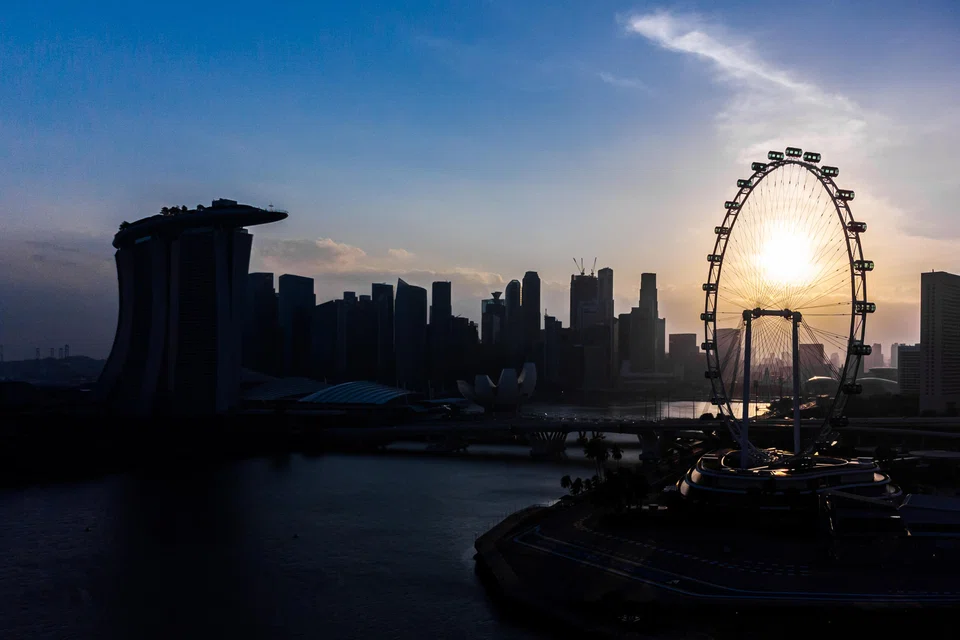
SINGAPORE’S property market continues to defy gravity. Office rents climbed 3.1 per cent in the second quarter, according to data from the Urban Redevelopment Authority, even though the stock of office space rose. Industrial rents increased 1 per cent and retail rents remained unchanged.
There is downward pressure, to be sure. Retail rents dipped 0.4 per cent in the first quarter, for instance, and landlords are doing more to retain and attract tenants.
Nevertheless, the Singapore property market is probably among the brightest spots globally. Consultancy Savills expects the country’s investment property sales to range from S$22 billion to S$23 billion this year, up from S$19.7 billion last year.
A healthy property market is good for the economy – drawing funds and creating wealth. However, a lack of price correction in line with the rest of the world has negative implications.
Singapore already has very high urban land rents, which have hurt its relative productivity. Total factor productivity – the ratio of gross domestic product to inputs – has been roughly stagnant for 50 years.
An International Monetary Fund paper published last year suggested this was not because the country is less productive than others, but because a higher share of capital goes towards land rents.
The inverse relationship between property prices and innovation is also well documented. High property prices discourage investments in technology, research and development, and even new business formation.
A paper examining investments by manufacturing companies in China from 1999 to 2007 showed that housing price appreciation stimulated companies to divert investment into real estate. This diversification was negatively correlated with the number of patents filed.
Worse for diversity
Harder to quantify, and not as frequently mentioned, is the negative impact that high rents have on tenant or business diversity, and on quality of life.
Retail rents along Orchard Road, for instance, have priced out many local small-business owners.
This problem also extends beyond the expensive locations. In the HDB estate where I live, an affordable and delicious yong tau foo shop was replaced by a tuition centre. The local hardware store had to downsize, which means it carries a narrower range of products. Business owners have to squeeze so much out of a tiny space that their operations spill out to occupy most of the five-foot way – affecting mobility for those in wheelchairs.
A radical rethink of how real estate is allocated and priced in Singapore may be necessary, with less of a profit motive and with non-economic metrics to measure success. According to Singapore’s land use plan, 17 per cent of land supply will be used for housing by 2030, up from 14 per cent in 2010. The land allocated will rise from 10,000 hectares (ha) to 13,000 ha. There will be a greater increase in land allocated for industry and commerce: from 9,700 ha or 13 per cent to 12,800 ha or 17 per cent.
Land for parks and nature reserves, however, will increase by a much smaller amount: from 5,700 ha or 8 per cent to 7,250 ha or 9 per cent. The proportional allocation for community, institution and recreation facilities will fall from 8 per cent to 7 per cent, although the amount will increase from 5,400 ha to 5,500 ha.
As Singapore’s population grows wealthier, however, its aspirations may change. These allocations should change too.






