

SMEs in Asia being challenged to rethink their supply chain strategy
Region's financial ecosystem must help meet industry demand for alternative financing options.
MORGAN TERIGI
THE Ukraine conflict is the latest wave of disruption to sweep worldwide. The resulting shockwaves are felt here in the Asia Pacific, compounding the challenges small-and-medium enterprises (SMEs) are already facing, including a shaky pandemic recovery and a strained global supply chain.
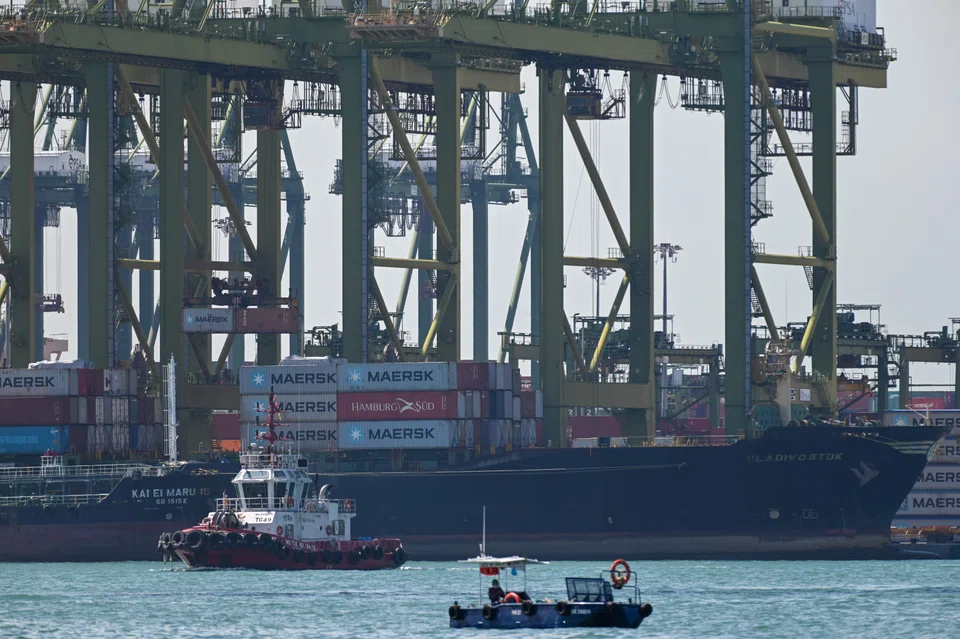
Even before the war, the global supply chain was already fragile. Global shipping schedule reliability dropped to a record low in January 2022, causing global shipment delays and supply shortages.
The conflict exacerbated the situation and pushed the supply chain ecosystem to limits. Moody’s highlighted that the war in Ukraine replaced Covid-19 as the biggest risk confronting the global supply chain. That's no surprise considering that some 15,000 China-Europe freight train trips were made in 2021, with many trade routes running across Russia and Ukraine.
The disruption and rerouting of these routes due to the war can lead to further chaos across the supply chain. There are massive implications for SMEs, which face tremendous supply chain challenges.
Supply chain redesign imminent
Tackling crippling supply chain challenges would require businesses to shift away from existing models that relied on lean inventories and just-in-time delivery. Many firms are now looking at ways to build up and store inventory reserves to prepare for supply chain shocks in the future.
While it mitigates the impact of disruptions to future production and improves supply chain resilience, inventory ties up valuable working capital. Moreover, these “safety stocks” can also risk obsolescence due to technological advancements or changing customer demands, which leads to waste of precious resources and lost revenue if not managed carefully.
At the same time, businesses have begun to scrutinise their entire network of suppliers to identify potential critical bottlenecks. With the ongoing supply chain disruptions, excessive reliance on specialist suppliers or sellers in specific locations created a knock-on effect that delayed production down the line. It puts everyone in the supply chain at greater risk.
Consequently, companies, no matter their size, are expected to diversify their network to mitigate risk exposure and decentralise their supply network to prevent bottlenecks and build greater resilience.
Liquidity and risk mitigation through trade financing
To assemble a well-stocked inventory, diversify their supply chain and devise a strategy to sustain production during future disruptions, SMEs need to identify and unlock alternative funding sources to ensure resilient cash flows. According to the APEC Global Supply Chains Resiliency Survey, cost is the biggest challenge preventing SMEs in Asia Pacific from diversifying their supply chains.
However, many are already suffering from high debt burdens due to the pandemic. Soaring inflation and surging energy prices of late have also exacerbated the financial challenges, dramatically raising SMEs’ operational costs and worsening their liquidity crunch.
Additionally, the uncertainty of macroeconomic recovery due to the war in Ukraine has led to investors remaining cautious and banks focusing their funding on more conservative, established relationships.
The “flight to quality” has left many worthy businesses – particularly SMEs – with limited options for trade finance. Smaller companies are often unable to prove creditworthiness or show additional collateral required by banks to mitigate lending risks under the traditional banking system. Some may also resort to self-financing, which results in more significant cashflow challenges in a sustained crisis.
A recent survey by the Asian Development Bank (ADB) showed the global trade finance gap grew to an all-time high of US$1.7 trillion in 2020, a 15 per cent increase from 2018, and SMEs accounted for 40 per cent of rejected trade finance requests. Without the short-term liquidity and risk mitigation provided by trade finance, buyers and sellers will be impeded in their efforts to tap into traded goods for recovery.
One option SMEs can consider is a non-recourse approach for off-balance-sheet financing, which essentially takes away the burden of loans. Suppliers can leverage invoice financing platforms to ask for early payment from their customers via a third-party financier. In effect, they are selling their invoices and obtaining finance without risk. It reduces the risk of late payments and bad debts – an option that would not be available with traditional banking.
Buyers can also tap similar options that allow them to optimise their cash conversion cycle and extend their payables due date to suppliers, freeing up working capital that would otherwise be trapped in the supply chain.
Unlike commercial lending or dynamic discounting, such off-balance-sheet financing options allow SMEs to keep a low debt-to-equity ratio and preserve their borrowing capacity while diversifying their access to funding and reducing their reliance on traditional financial institutions. It also helps them mitigate the risk of their receivables and build up economic resilience in these volatile times.
Preparing for the volatile future
With no end to the conflict in sight, many SMEs across Asia Pacific will need to build up their resilience and prepare themselves for prolonged uncertainty. They will be challenged to transform their supply chain to buffer against ongoing disruptions and increase their working capital to remain fiscally agile in these uncertain times.
These trends will grow the SME community’s appetite for alternative financing options as they look for more ways to manage risk in their trade processes and improve liquidity to weather the storm. Asia Pacific’s financial services ecosystem must rise to meet these demands. This will give SMEs a fighting chance against the chronic supply chain challenges and an opportunity for recovery.
The writer is CEO and co-founder of Incomlend
TRENDING NOW

First Resources blames El Nino, outside fires for Kalimantan hotspots amid haze scrutiny

High Court rules against Julius Baer’s Singapore trust arm in US$50 million family trust dispute
Singapore key exports jump by higher-than-expected 68.4% in September, led by non-electronics
MSCI proposes downgrading Indonesia to standalone market status

