

Social acceptance vital to success of novel food technologies
What makes people worry (or have perceptions of risk) is highly complex, emotional, and personal. Managing consumers' perception is essential, but often neglected.
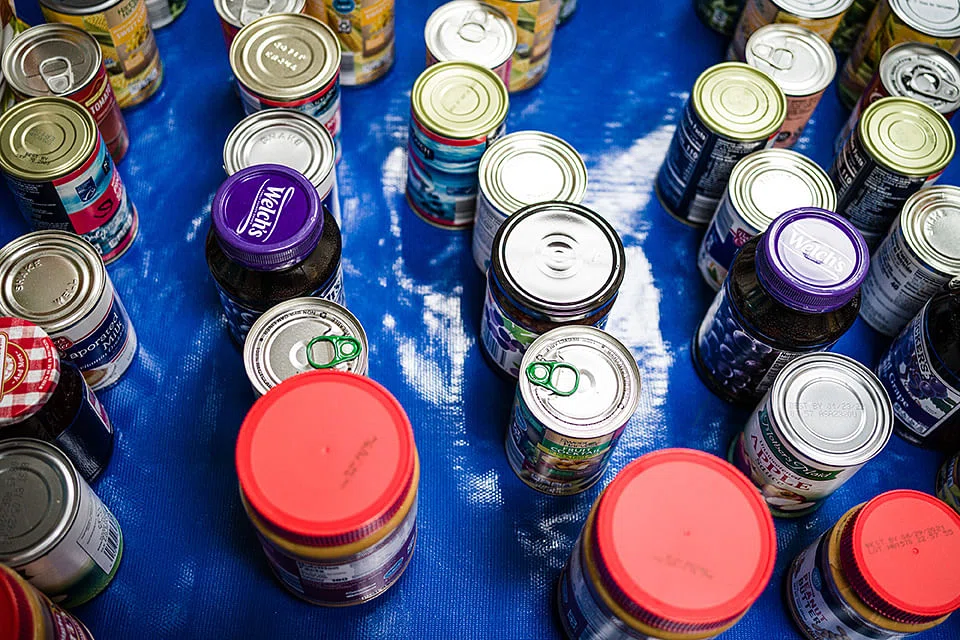
INNOVATION is generally seen as a driver of economic development, and at this time, it is being hailed as one way to help in the recovery from the Covid-19 pandemic. Over the past year, the government has committed billions of dollars to support basic and applied research in areas such as food technology, agricultural technology, health and biomedical sciences, climate change, and artificial intelligence to stimulate innovation in those fields.
But the change that innovation brings to societies is not always embraced by everyone. Innovations such as Jenner's vaccines, Daimler and Benz's internal combustion engine, Fleming's penicillin, Spencer's microwave oven, genetically modified crops and food all faced significant resistance and saw their path to market slowed by often very vocal (and occasionally) violent opposition.
For a new invention to be adopted by end users, social acceptance is vital. However, the concerns or risk perceptions of the relevant stakeholders must be addressed to obtain social acceptance. What makes people worry (or have perceptions of risk) is highly complex, emotional, and personal. The willingness to accept the risk of embracing a novel technology is influenced by many factors.
Typically, the absence of trust, benefits, fairness and control make people more unwilling to take on board risk. Increasingly, ethical values and concerns are emerging as important determinants of consumer decision-making. Factors such as animal welfare, environmental impact, and sustainability are now influencing how stakeholders perceive risk or view a particular novel technology.
THE EMOTIONAL CONNECTION
Obtaining social acceptance has become increasingly challenging in recent times with the amplification of risk via social media and the Internet. What may seem to be a minor issue can escalate rapidly and put at risk the very existence of a company. Failure to proactively deal with these risk perceptions is dangerous and jeopardises not only the innovation pathway but also the reputation of companies and institutions.
Considerable costs may also be incurred when dealing with a social acceptance issue if it blows up in the later stages of the innovation pathway or post-commercialisation. In addition, industry regulators may react to the controversy around a technology and impose stricter constraints on the technology, thereby impacting the cost of development and return on investment.
New food technologies arguably have the biggest challenge in the overall innovation ecosystem. Historically, new food, drinks and food technology (for example, coffee, canning, food additives and preservatives, packaging, processing levels, microwave and gamma irradiation of food, genetic modification) have encountered acceptance issues.
It is the emotional connection that people have with food that makes food innovation particularly prone to social acceptance issues. This emotional connection makes decisions about whether to accept a new food or foodtech more likely to be based on "feelings" rather than "facts".
The genetic modification (GM) controversy over the last 20 years or so offers some key lessons. GM tomatoes were readily available on the market in the UK. Yet, Greenpeace was able to mobilise the activist community to create significant resistance among consumers and impede the further development of GM crops. This happened despite the absence of scientific evidence to indicate that GM foods have negative effects on human health. Consumer resistance to GM foods led to hundreds of millions of dollars being spent (largely ineffectively) on communication to stem the anti-GM tide.
As Singapore positions itself as a foodtech and agtech hub, investment funds, companies and institutions that have a stake in innovation and novel technologies should have programmes that address social acceptance. While the population in Singapore generally buys into the innovation agenda, it is by no means guaranteed that a novel technology will be accepted by all. As Singapore aspires to be a regional and global hub, it will also be essential to stay abreast of the issues that are impacting risk perceptions globally.
Technologists who think that novel foods, ingredients and processes will be automatically accepted by society, are overly optimistic. Alternative proteins - plant, insect, cellular, animal (including fish reared in high-intensity environments) - all have the potential to be rejected by some members of society. Already, we see negative reactions to some of these developments.
While there is apparent social acceptance of plant-based meats at this time, there is some pushback linked to the highly processed nature of the product; the nutritive value of the product; the presence of GM ingredients; and the GM nature of flavouring (for example, Impossible Food's GM-derived leghemoglobin). For insect proteins, and foods derived therefrom, the "yuck" and cleanliness factors are an issue for some. For cellular meats, some people are concerned about the "naturalness" and ethics of the product.
COMMUNICATE AND ENGAGE
Conventional PR techniques do not work well when it comes to addressing consumer perceptions of technological risk. Instead, companies and executives should be guided by the science of risk perception and behavioural science. The science has developed in the last 50 years through research by scientists such as Nobel Prize winner Daniel Kahneman, Paul Slovic and a host of others. This body of knowledge on how people perceive, assess, and respond to risk can help companies to develop messages, programmes, and frameworks that pave the way for social acceptance of novel food technologies.
Any innovator needs an effective communication and engagement strategy. However, it is often not a major part (if present at all) of the overall risk management strategy. Attention will likely be paid to development of an investment pitch, but, once that has been secured, the focus often turns inward towards product development, IP protection, regulatory compliance, et cetera. Just how the novel technology may be perceived by the consumer is often neglected.
Preparing a risk communication and engagement strategy is an essential component of risk management and should begin early in the pathway from innovation to commercialisation. As the experience of companies in the GM food sector has shown, a misstep in the communication and engagement process may mean that investments from governments and investors are wasted, and confidence in the technology and sector is lost - potentially forever.
- Andrew Powell is CEO of Asia BioBusiness Pte Ltd, and Mark Chong is associate professor, communication management (practice), at Singapore Management University.
Decoding Asia newsletter: your guide to navigating Asia in a new global order. Sign up here to get Decoding Asia newsletter. Delivered to your inbox. Free.
Share with us your feedback on BT's products and services
TRENDING NOW
Prima to move out of historic Keppel Road flour mill building in 2028
Temasek-related Azalea, SeaTown, Seviora Capital to merge in 2027

Family offices see more tailored products, leverage ‘collective firepower’ for direct deal access

Singapore room rates soar, but hotels seeing mixed demand from F1 race and events

