Some of the best-argued uses of crypto have a common denominator: scams

Kelly Ng
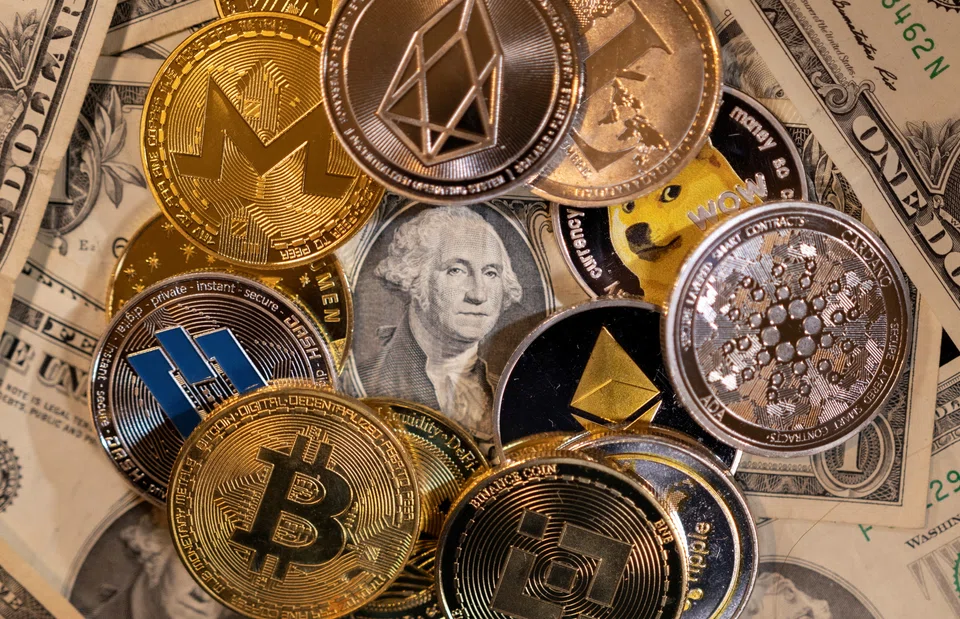
CRYPTO has come up frequently in dinner-table conversations of late, as the market continues reeling from recent sell-offs and a spate of bankruptcy filings. Since the stablecoin TerraUSD collapsed in May, several large exchanges and lending firms have filed for bankruptcy protection, leaving clients’ assets trapped in their platforms.
Amid the carnage, friends who are crypto advocates have taken to defending the practical applications of cryptocurrency and its underlying technology.
Among the use cases repeatedly cited are how these digital tokens have helped protect wages and manage cash flow in countries battling hyperinflation, such as Venezuela and Turkey.
Data from blockchain analytics company Chainalysis has indeed shown individuals in the emerging markets of Africa, Latin America, and the Middle East have flocked to cryptocurrencies to protect their savings against devaluation.
The Ukrainian government's raising of millions of dollars in crypto donations in March, within a few days of the first assault by Russia, is another oft-cited use case.
While I acknowledge that these specific case studies reflect some of crypto’s promise, such as enabling cross-border transactions with greater speed and flexibility, most of crypto’s use cases remain ideas that have not materialised.
If we follow the money trail, some of the best “use cases” of crypto to-date have been scams. In many of these cases, the very features touted by crypto evangelists have turned out to be security gaps.
On Monday (Aug 1), United States authorities charged 11 people who founded and promoted crypto company Forsage – allegedly a pyramid scheme that has duped retail investors worldwide of over US$300 million over 2 years.
According to figures from the Federal Trade Commission (FTC), more than 46,000 people in the country have reported losing over US$1 billion in crypto scams from January 2021 to March 2022. Losses reported to the authority in 2021 were nearly 60 times what they were in 2018.
To be sure, it’s not that scammers now operate overwhelmingly in the crypto space. Singaporeans, for instance, continue to fall prey to banking-related phishing attacks, with authorities now issuing monthly warnings on the rising trend.
But crypto has some properties that are particularly attractive and handy to fraudsters, including the absence of centralised bodies to flag suspicious transactions and the irreversibility of any such transactions. As the FTC said, once the money’s gone, it’d be tough to get it back.
“And most people are still unfamiliar with how crypto works. These considerations are not unique to crypto transactions, but they all play into the hands of scammers,” the FTC added.
Even if regulations were in place to guard against bad actors and the financial instability resulting from speculative action, the crypto ecosystem has some inherent limitations that make its use cases sound better in theory than in practice.
The Bank for International Settlements, an international financial institution owned by central banks around the world, said in its latest annual report that blockchain transaction fees are often high because miners responsible for validating these transactions must be incentivised through monetary rewards high enough to sustain the system of decentralised consensus.
This is in turn sustained by limiting the capacity of the blockchain – network congestion means users have to offer higher fees to have their transactions processed faster – which then limits scalability.
And for all the claims about decentralisation, many blockchain applications still tend towards the reverse. Crypto protocols give holders of “governance tokens” the votes to make key decisions – meant as an essential feature to decentralise the power of decision-making – but these often end up concentrated in the hands of a few, such as the protocol developers and early investors.
In fact, even in countries such as Venezuela where crypto supposedly offers a financial lifeline, this lifeline is often available only to the well-heeled. High transaction fees and poor Internet connectivity are stumbling blocks in many parts of these countries.
Some have stressed the importance of not conflating the ails of crypto with the potentials of blockchain. But if crypto remains vulnerable to scams and if there exists a speculative incentive to issue coins on the chain, it would be hard to applaud its underlying infrastructure.