South Korea's new president faces a bumpy ride ahead
Moon Jae-in may find it tough to fulfil the many campaign promises he made to the people.
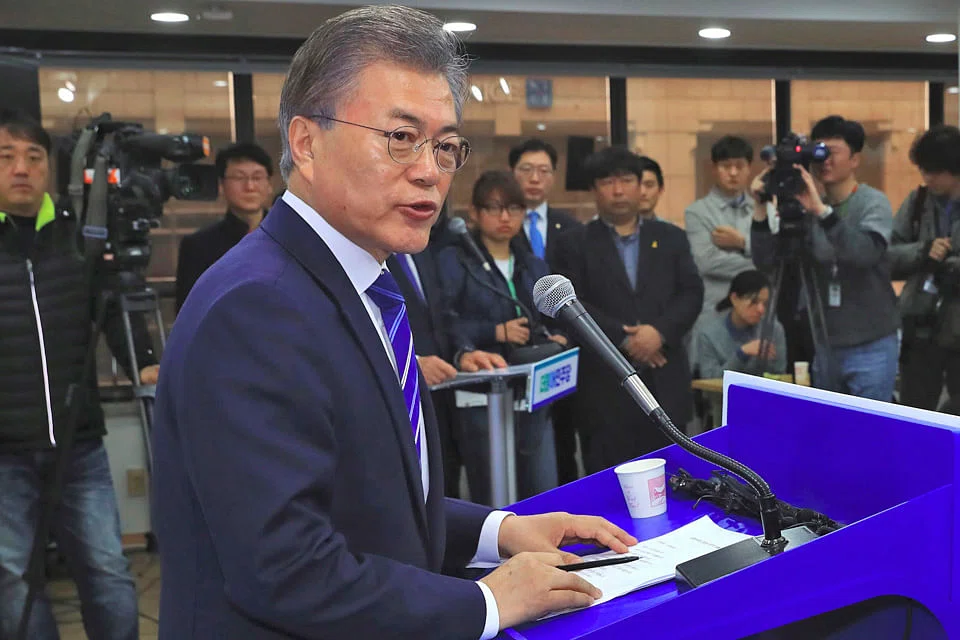
ON May 9, 2017, Moon Jae-in became South Korea's new president and filled the political vacuum created by the impeachment of former president Park Geun-hye. She had been a central figure in an unprecedented political scandal involving abuse of power by her close friend Choi Soon-sil.
During Mr Moon's campaign, his many promises to improve the quality of life in South Korea clearly resonated with voters, and he seems intent on breathing fresh air into the tainted political atmosphere left behind by his predecessor. So while the ultimate impact of Mr Moon's victory on South Korea's economy and corporate environment has yet to be determined, his expressed positions enable us to assess where he'd like to take the country over the next five years.
Using corporate taxes to boost social spending
Mr Moon plans to increase jobs in the public sector, provide an allowance for the elderly, offer free education to toddlers and high-school students, and launch many other initiatives that have been popular with Korean liberalist parties in the past. To fund these expenditures, the new government will likely aim to raise the tax burden for corporations by limiting deductions, or it may raise the corporate tax rate outright. Both could be a burden on company earnings.
The new government will also target a dramatic rise in minimum wages by 2020. Their proposed increase of more than 15 per cent compounded annually would be a significant increase from the previous average of 6 to 7 per cent over the past three years. These and other changes could increase the labour-cost burden dramatically, especially for retailers.
Corporate reform could increase pricing pressure
Reforming chaebols - the Korean term for large conglomerates - is another key item on Mr Moon's agenda. He plans to focus on preventing the owners of chaebols from manipulating regulations for their succession plans by using treasury shares or transactions with unlisted subsidiaries. He has also said he will be stricter in giving out presidential pardons, but we shall need to wait and see how many of these larger promises he keeps.
In the shorter term, we believe Mr Moon will try to use the country's Fair Trade Commission to increase transparency and fair-trade practices between chaebols and small and medium-size enterprises. This should be positive for South Korea in the longer run. However, we are cautious about the potential for these efforts to pressure stock prices in public-service related sectors, such as utilities, telecoms, and even food and beverages. The South Korean government has a history of contributing to this kind of pressure in the past.
Easing tensions with North Korea is a top priority
Another area of change for the new administration concerns how the country will deal with threats from North Korea. Mr Moon has pledged to reopen dialogue between the two nations, and to work closely with stakeholders such as the US and China to reach a nuclear-free, peaceful resolution to the ongoing conflict. While this is definitely easier said than done, we believe Mr Moon's government should at least not escalate tensions with North Korea, which would be good news for investors.
Big ambitions, very high moral standards
Given that major legislative changes - including tax and wage reform - need to be passed by South Korea's national assembly, it is too early to say whether Mr Moon's ambitious economic plans will become a reality. The ruling Minjoo party only holds 119 of 300 seats, which keeps them far short of the 180 votes they would need to pass key legislations. Moreover, the right-wing Liberty Korea party and Barun party - which together hold 126 seats - have a history of fighting against higher taxes and rapid minimum-wage growth.
As a result, while it is too early to forecast the economic and political success of the new administration, we expect a bumpy ride ahead. At the same time, we are encouraged that Mr Moon is trying both to communicate more openly with the public and to listen to opinions from both inside and outside his party. The corrupt legacy of the previous administration will cause the public to hold his new government to very high moral standards - which is a good place to start for the country.