A split Democratic party echoes the 1968 race
The Dems would do well to recall that with infighting, the party could lose the Big Prize
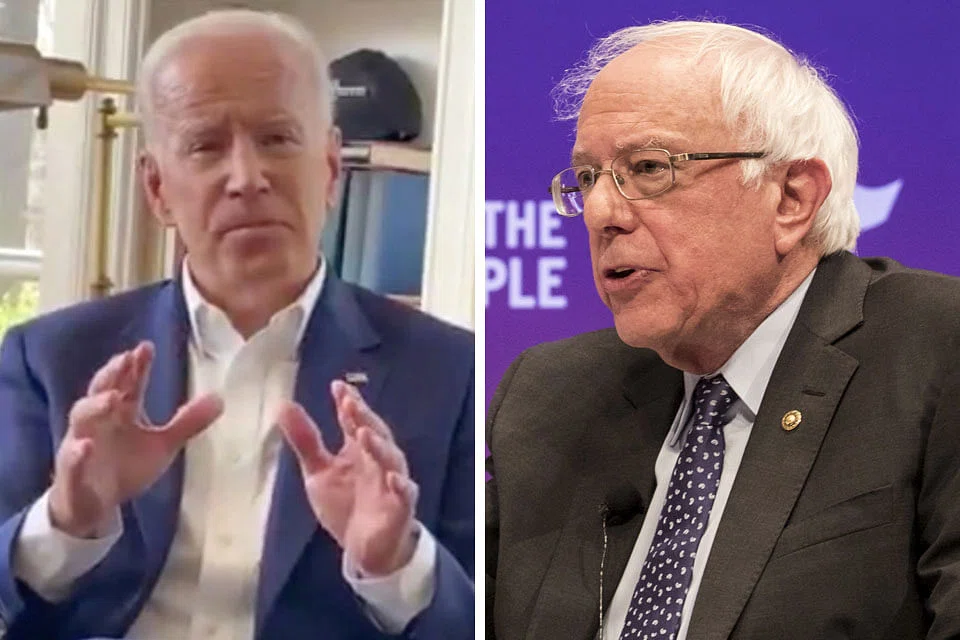
HE was considered to be one of the Democratic Party's most popular politicians. A former vice-president and senator who espoused progressive but mainstream positions on social and economic issues. Well-liked by African-Americans as well as by white blue-collar workers, he seemed to have an excellent chance of winning when he announced that he was going to run for the presidency against an unpopular Republican politician.
But major ideological and policy divisions were driving American politics and in the process, polarising the Democratic Party with left-leaning young activists challenging the mainstream Democratic presidential candidate, who was perceived as being too tied to the party's old political establishment. The youthful radicals rallied behind a more liberal candidate, dividing the Democrats and creating a sense that the party was being torn apart and tilting towards its loony left.
This explains in part why the Democratic presidential candidate and former vice-president and Minnesota senator Hubert Humphrey lost the 1968 presidential race by a very narrow margin to his Republican adversary Richard Nixon - 43.1 per cent for Nixon (31,783,783 votes) to 42.7 per cent (31,271,839) for Humphrey.