
Stock markets adjusting to lower global growth
 Add BT as a preferred source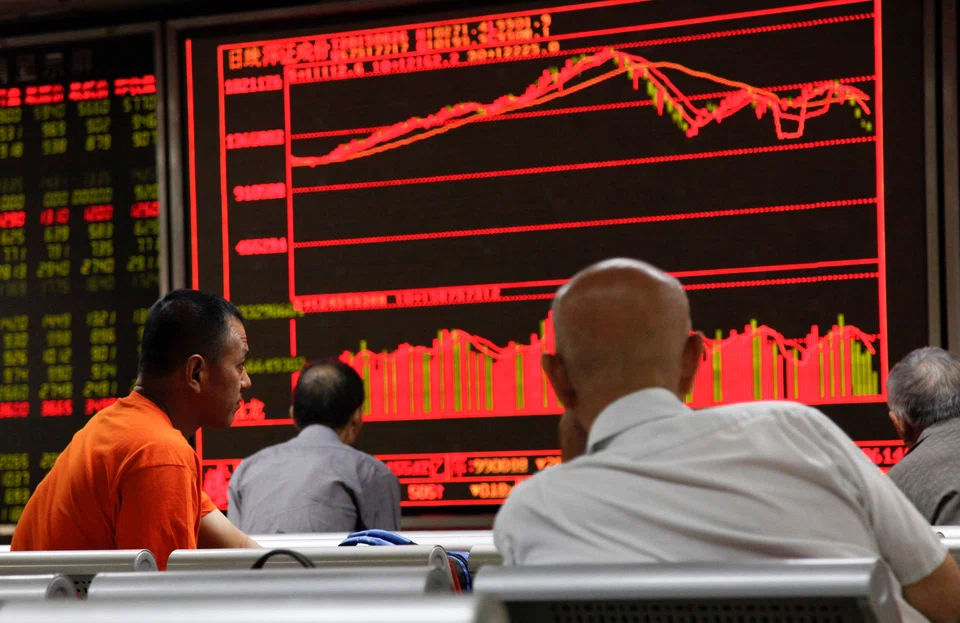
MOST observers focus on the monetary policies of the major economic powers as the explanation for the latest turmoil in stock markets. A tightening of US monetary policy has been expected for some time and even if recent events in China cast doubts over when and how strong it will be, the consensus is that it won't take long. China itself is turning into a conundrum mainly because one of the biggest transformation and restructuring the world has ever seen is taking place in what is probably the largest economy in the world.
The quantitative easing put in place by the US, followed by the eurozone, Japan and now China, stimulated an unprecedented boom in asset prices. Going back seven to eight years, quantitative easing was seen as a shot in the arm helping the economy to recover. After a while prices in the goods and services market were expected to rise, alleviating the debt burden and thus serving as an appropriate policy step to launch the world on to a new and stable growth pattern. For a variety of reasons, it didn't turn out that way. The liquidity flowed into assets, boosting prices in this non-productive sector, distorting the economy and making a genuine recovery even more doubtful.
The missing link in the analysis of stock markets is the real economy. Quantitative easing can work for a while, but if it is out of step with the realities, something nasty is going to happen - and that is what we are witnessing now.
Copyright SPH Media. All rights reserved.

