

The struggle for coverage of smaller companies
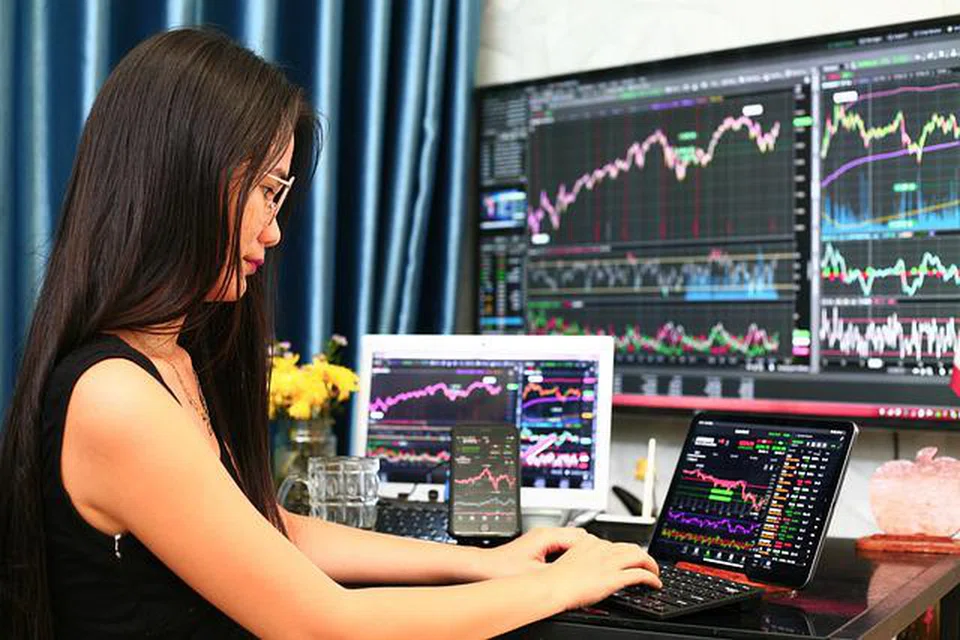
ONE way to stimulate more trading in the local stock market and possibly stem the rising tide of delistings is through better research coverage of small-to-mid-sized stocks. The authorities know this and have played their part over the years to try and encourage research houses to broaden their scope beyond just the blue chips and larger companies. Although there was some early success, a lasting solution has proven elusive.
The latest attempt came in February 2019 when the Monetary Authority of Singapore (MAS) unveiled its Grant for Equity Market Singapore (Gems) scheme, valid until the end of 2023. At the time, the MAS stated: “Enhanced research coverage, particularly for mid and small-cap enterprises, can help improve investor knowledge, which will in turn facilitate price discovery and liquidity.”
The Gems scheme included a Research Talent Development grant designed “to groom a pipeline of equity research analysts and retain experienced research talent to initiate research coverage primarily of listed mid and small-cap enterprises’’.
It is not known what the take-up rate has been, but judging by the paucity of research in circulation on smaller listed companies as well as the continuous flow of delistings which are typically underappreciated firms, it is unlikely to have been as successful as might have been hoped.
If so, it would be disappointing but not unexpected. The first official attempt to boost research coverage came when the Singapore Exchange (SGX) and MAS launched their SGX-MAS Research Incentive Scheme (RIS) in 2003, under which each participating research firm had to provide regular research coverage on at least 15 stocks, and each participating listed company was covered by at least two research firms.
Research reports generated under this scheme were published on the SGX website and made available free to the public. Each research firm was given S$60,000 for every 15 stocks covered, with the money coming from a fund set up by SGX and MAS.
Participating companies had to pay just S$4,000 per year to enjoy coverage while research firms had to produce at least four reports per year – one each for mid-year and year-end results, and two updates.
This scheme had a promising start; after its initial tenure of two years, it was immediately extended for two more years. By 2008, however, the cost to companies had risen from S$4,000 to S$13,000 each per year – too high for many to stomach, especially when there was a chance that the reports might call a “sell’’ on their shares.
SGX-MAS’ RIS then morphed into SERI or SGX’s Equity Research Insights in 2009, with only one research provider: Standard & Poor’s, which issued reports with no investment recommendation. This eventually folded in mid-2013 and at the end, only 49 firms were covered.
The source of the problem was deregulation at the end of the 1990s, when commissions were reduced by more than half. Because research is a cost centre, it was the first to be downsized in response to declining revenue. With only limited resources which had to be spread over a universe of around 700 listed companies, research outfits had to be very selective about which companies to cover.
Today SGX Research provides regular market updates, statistical summaries, information on fund flows and interviews with bosses of lesser-known firms. But without critical analysis followed by formal investment recommendations, the usefulness of research is arguably limited.
It is difficult to see what more can be done by the authorities. If research houses do not tap Gems, then a much-needed service for retail investors will not be provided and interest in smaller companies will remain low.
TRENDING NOW

Easy to rent out, hard to sell: Are buyers losing interest in Singapore’s one-bedroom condos?

GovTech retrenches another 38 staff in second round of layoffs

Stocks to watch: Seatrium, CapitaLand Investment, Keppel DC Reit, Suntec Reit, CLCT, TSH Resources

World’s largest offshore wind platform by Seatrium consortium on track to be completed by 2028

