

Sustainability key to Thailand's drive for developed country status
 Add BT as a preferred source
THAILAND has made remarkable progress in social and economic development. In just four decades, it transformed from a low-income country into an upper-middle-income country. Today, the nation is building on this momentum to prepare for its next big leap: achieving the status of a developed country by 2037.
Success will depend on a set of reforms that emphasise sustainability in all aspects of economic growth and development. Thailand's vibrant private sector - especially the financial system - can significantly contribute to long-term growth. But it will take innovative business practices and a change of mindset to ensure it is sustainable. Environmental, social, and governance (ESG) factors will need to be fully integrated into business decision-making.
Thai banks hold assets estimated at US$611 billion while banks across emerging markets hold assets estimated at more than US$50 trillion. They provide the bulk of the local financing, which make them ideally placed to help the private sector adapt to new economic realities linked to environmental and social sustainability: climate change and resource scarcity, among others. Banks must be key players in the national sustainable-development agenda.
TRENDING NOW

CSE Global independent director quits after clashes with chairman Eugene Lai over board refresh
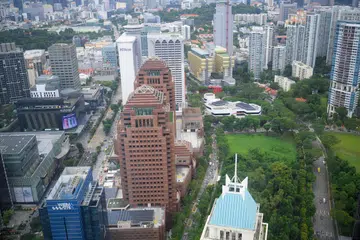
Room for more offices, homes and green spaces to make Orchard Road more vibrant

‘I felt like dying’: Thai Singha beer scion speaks up after disclosure of alleged sexual abuse
MAS revises takeover and merger code to enhance competition and disclosures

