

Tapping into payments insights for retail revival
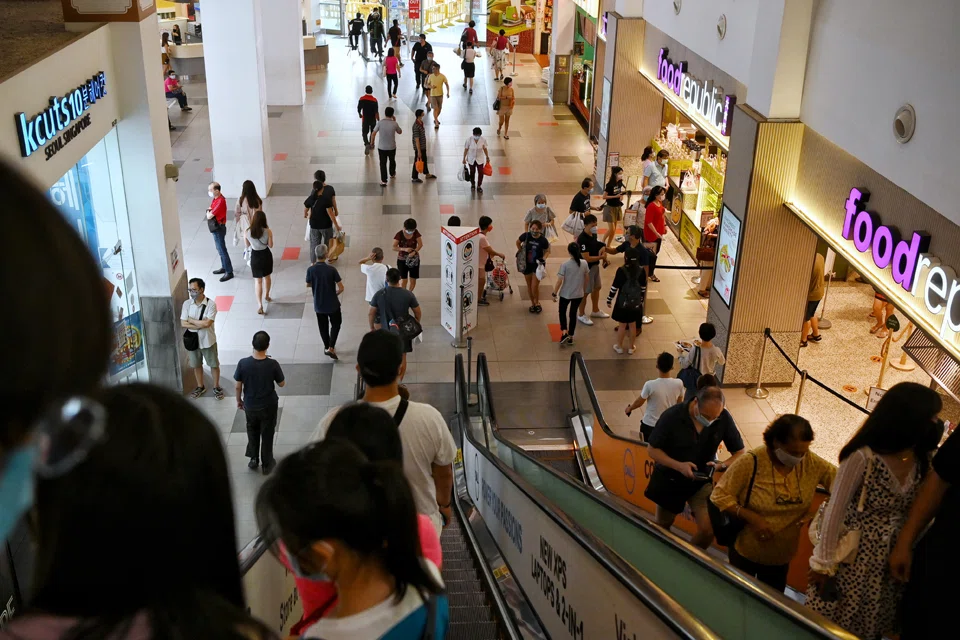
BY ALL indications, a great revival is on the cards for the retail sector. In Singapore, we’re nearing the peak shopping season, with the Great Singapore Sale back in full force this month (September) and ecommerce shopping festivals abound. However, brands need to ensure they have the right approach to ride the recovery wave.
As pandemic-induced restrictions ease across the region, we continue to see a growing demand for both online and offline shopping experiences, as well as contactless payment options. For instance, our 2022 Adyen Retail Report found that 67 per cent of consumers in Singapore expect retailers to maintain the flexible approach they took during the pandemic. At the same time, more than half of consumers here are returning to brick-and-mortar stores, even as they continue to shop online.
With consumer expectations and preferences in flux, here are some insights to help brands understand, engage, and attract customers as they work to stay operationally agile and offer a smooth retail experience.
Every payment is an insight driving hyper-personalisation
Shoppers in Singapore have high expectations of retailers. For one, nearly three out of four local shoppers would not shop with retailers that offer poor shopping experiences. They also want personalised experiences, with 54 per cent indicating they would like retailers to remember their preferences and previous shopping behaviours to create a more tailored shopping experience.
There’s also the growth of different sales channels apart from your traditional brick-and-mortar stores. For instance, shoppers can browse in-store and finish their purchase online, or simply check out their desired items on social media and live streaming platforms with a few clicks. It’s hard for retailers to define their customers’ journey, much less personalise it.
The challenge for retailers today is providing a smooth, personalised shopping experience across multiple channels. And as the very last leg of the customer journey, every purchase made is an opportunity for the retailer to prove themselves worthy.
Against the backdrop of an evolving retail landscape, Singapore department store chain BHG sought to make shopping and payments easy for its customers. The retailer introduced mobile-point-of-sale (mPOS) in their physical stores, which allows customers to pay wherever they are in the store and cuts the hassle of queuing to pay at a counter. BHG also offers payment links for those not used to ecommerce – shoppers can simply place orders over the phone and click and pay through a secure URL BHG sends via text.
Payment behaviours can also unlock valuable shopper insights for retailers. Each purchase essentially confirms a customer’s interest in a product at a certain price point, as well as where, when, and how the transaction took place. Analysing this behaviour can demystify the consumer journey because brands now know with certainty when a particular shopping experience converts to a purchase. Having that level of granularity enables retailers to personalise their customers’ next interaction with them, which is key to driving repeat purchases and loyalty.
Supporting business growth with a long-term payments strategy
Over the last two years, we have also seen many businesses speed up their digitalisation efforts to meet the pandemic-induced demand for ecommerce and contactless payments. Unwittingly, some now find themselves stuck with vast, disconnected networks of payment channels, preventing them from connecting the dots between data and rapidly expanding payments infrastructure.
Brands can avoid these siloes by planning out a strong payments strategy, allowing them to respond quickly to shifts in shopper behaviour. A robust strategy should centralise payments, thus enabling businesses to gain a single pane of glass view of the data across all channels. There’s a clear business imperative: Our research shows an 11 per cent increase in growth amongst APAC businesses that connect payment systems across their business compared to those that don’t.
A well-thought-out payments strategy should also account for business expansion opportunities. As businesses expand across borders, providing a strong customer-centric experience is key to converting window shoppers to buyers.
Fast Retailing’s UNIQLO is a prime example. As it grew, the retail chain introduced a unified commerce approach across its online checkout site and physical stores worldwide. This move to a single platform removed the need for multiple supplier contracts, allowing UNIQLO to easily consolidate and reconcile payments information across multiple channels. Not only does it mean that UNIQLO can do faster rollouts of omnichannel services, it can also ensure its shoppers enjoy the same seamless checkout experience worldwide.
Putting customers and data first
To thrive in 2022 and beyond, brands need to put the shopper experience at the heart of their strategy by taking full advantage of the customer insights available from payments data and facilitating relevant payment methods.
Whether it’s uncovering bottlenecks in the customer journey that are barriers to making a purchase or creating a hyper-personalised experience that meets an individual shopper’s preferences, data will help brands unlock new opportunities for growth and stay relevant.
The writer is head of commercial, Southeast Asia & Hong Kong, at Adyen






