

Technology and the insidious rise of English 2.0
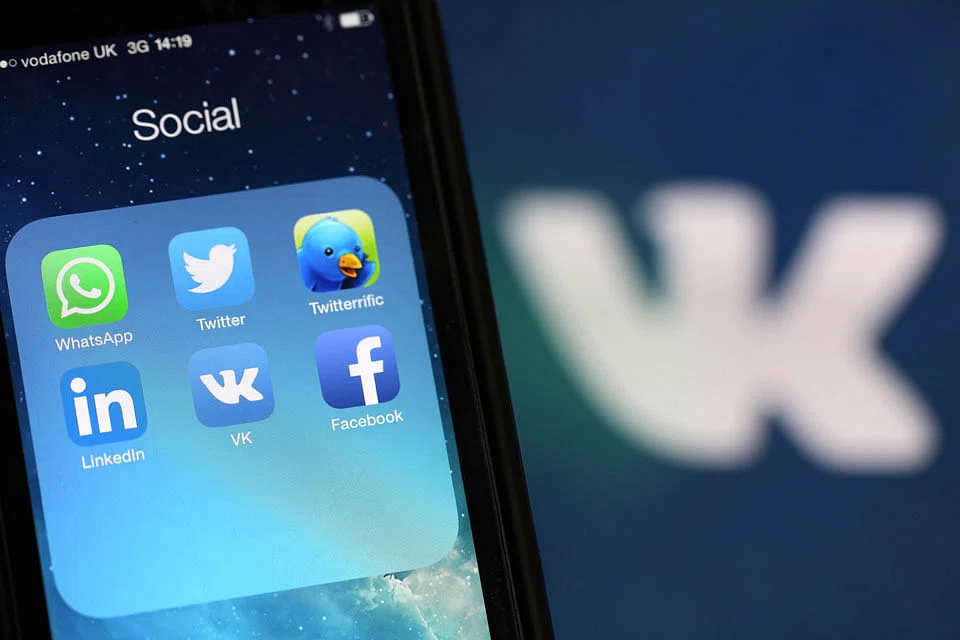
I DON'T claim to be perfect, but as a writer I try my best to be grammatically correct and to choose my words well. So with a chuckle I have noticed that certain words have had their meanings changed by technology - call it ENGLISH 2.0, if you will. Perhaps only those above the age of 20 will understand what I mean. So let's take a journey back in time to when we first heard these terms some years back.
Let's start with Facebook. Frankly, I don't remember what I was thinking of when I first heard the term Facebook. But maybe I would have thought it would have been an app to read e-books close to the face? App, you say? I would have probably thought someone had mispronounced the opposite of down.
For example, if you wanted to make someone a friend, you would befriend them and not "friend" them (isn't "friend" a noun?) If you liked something, but then changed your mind, I don't recall if you unliked it or simply said you then disliked it. What I recall is that "unlike" is used to give a contrary example (for example, unlike Mr Posadas here . . .).
Yahoo! previously used to mean an ecstatic scream of delight. PM referred to the hours after noontime but before midnight, so asking someone to PM you would have probably been misinterpreted as having to meet between those hours.
To be a twit (noun), according to Merriam Webster, is to be a stupid or foolish person, so apparently millions of us are acting (verb) stupidly these days by having Twitter accounts that make us sound like birds too. Instagram, if I were hearing it for the first time, would have perhaps sounded like a crash weight gain dietary supplement, to pack on the grammes much like those Charles Atlas commercials where the muscular guy kicks sand in the face of the thin guy on the beach - not that anyone remembers those these days.
To blog, of course, means to publish your personal thoughts on a website, but maybe previously it would have been a misspelling of "blob" or even "bog", the kind of wetlands where peat and other dead plant life accumulate, or even to bog down at a certain point.
Don't even get me started on Skype. To Skype someone? Maybe the first time I heard of it, I might have thought of something like "trying to escape from someone or somewhere". What about Google, or to Google something? I might have thought of something to help you see underwater, like a pair of goggles.
Or Viber? Something to get you bitten by a venomous snake?
And it isn't just the software. The hardware can get pretty confusing as well. Take smartphones. What would a pre-English 2.0 person think of these things. First of all, there is no keyboard - just the glass screen. So how do you enter the numbers? He'd probably think these newfangled phones were just plain dumb. Or even this latest craze, the Apple watch. Before this came along, pre-English 2.0 people thought Rolex or Audemars Piguet were luxury watches and apples were fruits that kept doctors at bay if eaten once a day. Notebooks during my time contained my class notes. Even if I dropped my notebook then, I would just pick it up and not have to worry about damaging it or charging it (which previously meant only charging to a credit card or charging someone with an offence).
Perhaps the lesson here is that, increasingly, our language will be defined by engineers and scientists, and not by our tried and true English professors. Frankly, as an engineer, that scares me a bit.
TRENDING NOW

KKR founders among investors buying 42% of Peter Lim’s Valencia; club valued at US$1.4 billion

Singapore’s central gas buyer affirms Indonesia’s role as ‘important partner’ amid export review warning

Why the biggest business decision about AI isn’t which model to choose

NEA issues notices to 10 Singapore-based companies, including Wilmar and APP, over haze

