

The four Ps have just shrunk
MOST marketers went into a sales mode in 2020, focused on drawing out customers to spend. However, a silent marketing shift occurred in the background. Life during the continuing pandemic has jolted many businesses and their long-held gospels of excellence.
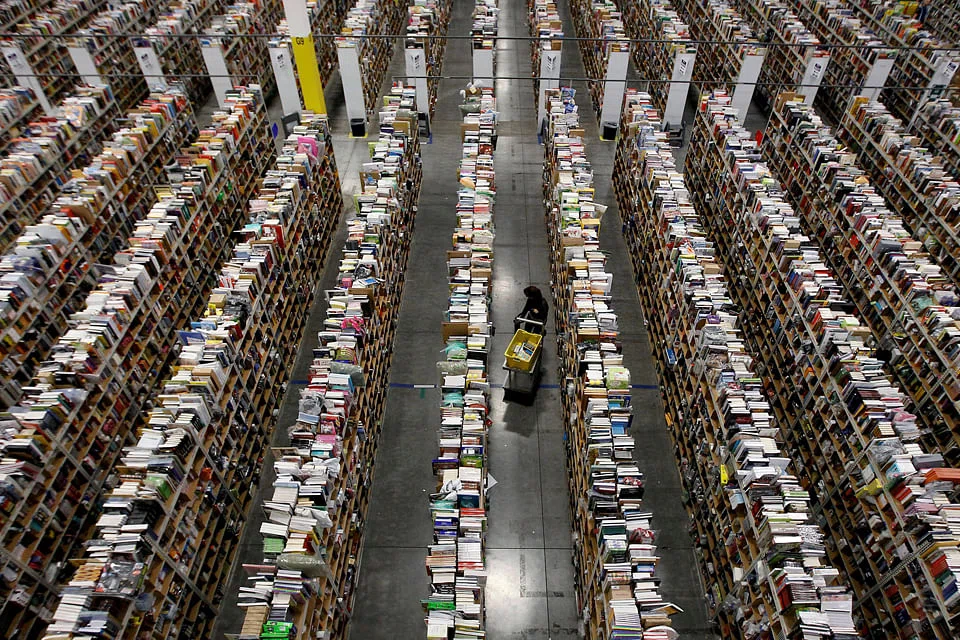
The four Ps of marketing - product, price, place and promotion - are as old as organised marketing is. But it just lost one of its quartet - the place. Physical restrictions have eroded the practicality of physical shopping or entertainment or dining, even as question marks are hovering around even the charm of it or resumption in the long term.
Shopper traffic at US retail stores is expected to have shrunk 22-25 per cent last year during the six key weeks of the holiday season, a ShopperTrak forecast said in October. It is clear that retail shopping in physical stores has taken a tumble. Some, especially those with high fixed cost structures, are admitting the decline in viability and considering closure.
Singapore's 168-year-old enterprise, Robinsons, has closed. UK's large retailers such as Debenhams and Arcadia have gone into administration. Others are acting as warehouses for fulfilling online orders.
But why does one need fancy warehouses located in high-end shopping neighbourhoods? Can you shift those costs to the product or the price or promotion? That is the Amazon model, which has rolled out in many countries in many categories. Consumers do not enjoy walking through several aisles to buy necessities. They just need to be savvy in online shopping. Most people, even baby boomers, are getting there.
The biggest impact however has occurred in entertainment. Is there a future for cinemas with Netflix, Amazon Prime and traditional television upping their stakes for consumer watch-times? Living rooms are the new cinemas and theatres.
The clamour for live shows may come back once safety is assured but for the rest, a good quality television screen with good personal and surround acoustics is almost perfect.
Dining in restaurants also went out of fashion for the most part of the past year - but some of it has returned in Singapore, Hong Kong and Australia. It may be the only place-based activity that will largely come back to the old normal at some point.
Colleges have moved to online mode in many countries, and look to remain so for another year. Large swanky campuses wear a deserted look. For some more time, a physical campus will be largely under-utilised. Campus tours will matter less in promotion.
Given that "place" has lost a lot of its significance, marketers are left with only three things to play with. Place was a consideration in price too - a fancier store could charge more or a world-class entertainment complex could ask its patrons to pay more.
The decline in importance of place will put further pressure on price arbitrage. Online offers are already heavily discounted, adding huge savings to shoppers' budgets, but this could now accelerate. Commodities will suffer the most (from lack of price power), and many goods will become commodities as branding shades disappear. Mass market clothing, including formal wear, just became that.
A marketer's product and promotion, therefore, acquire larger-than-life importance now. This has seen many winners and losers. Your product or service is now reviewed and critiqued by not just your buyer, but the entire shopping community. They rate and share everything and you could quickly lose preference, thanks to the online community. Low -priced but value-compromised products are not going to find buyers in the future.
That shifts the equation slightly towards minimum value standards for all products and services. Cheapest is not the best. Consumers will put their savings into upgrading quality to minimum standards, as has happened in many non-food categories.
Target Corp, the strong retailer, benefitted last year from its own private brands in apparel and other categories that were marketed more as value than just being the cheapest. The company reported revenue growth of 19 per cent during the half year ending July 2020, amid buckets of red ink on the balance sheets of most retailers.
SWIFT RESPONSES
Changes to product offerings needed swift responses in the pandemic season. The footwear industry has had to rejig its products as formal shoes, athletic shoes and fashion footwear went on a slow drive for obvious reasons, as people dressed down and sporting events were cancelled.
Market researcher NPD Group estimated that US footwear sales fell 26 per cent in the second quarter, and athletic footwear in the sport-dominated Western Europe dropped 24 per cent in the same period. Many marketers are rushing to spruce up their comfort, health, casual and performance portfolios as consumer dollars shift. Imagine making over a third or a fourth of your portfolio in a matter of months. The path for the footwear industry is still not clear, though.
Product promotion was already shifting decisively to online, tailored and dynamic communication. The Covid-19 pandemic has accelerated the transformation, as consumers stayed at home and went on an overdrive to consume media and entertainment.
Traditional forms such as event marketing, billboards etc are off the table as activities move indoors to homes. It is estimated that people were hooked to digital interfaces 10 per cent more than pre-Covid times. According to a PwC Internet advertising revenue report, Internet revenues grew by 35 per cent in two years, based on Q1 comparison of 2020 with that of 2018. This has been steadily climbing up even after that. Marketers know well that digital advertising is a completely new paradigm. Covid-19 has hastened the shift.
The key question, therefore, is: Are old brand marketers skilled up for the new world with 3Ps and new rules? How well does marketing education and thought leadership keep pace with this? What new forms will the fourth P - place - take in future?
- The writer is a Singapore-based author and freelance consultant






