
There's misunderstanding of debt's role in the economy
 Add BT as a preferred source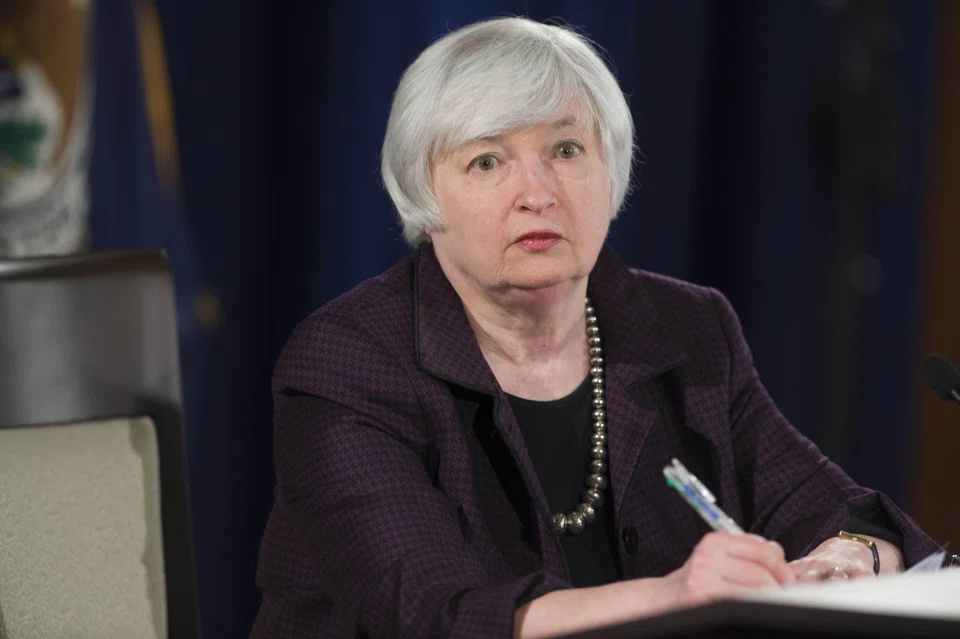
MANY economists, including Janet Yellen, view global economic troubles since 2008 largely as a story about "deleveraging" - a simultaneous attempt by debtors almost everywhere to reduce their liabilities. Why is deleveraging a problem? Because my spending is your income, and your spending is my income, so if everyone slashes spending at the same time, incomes go down around the world.
Or as Ms Yellen put it in 2009: "Precautions that may be smart for individuals and firms - and indeed essential to return the economy to a normal state - nevertheless magnify the distress of the economy as a whole." So how much progress have we made in returning the economy to that "normal state"? None at all. You see, policymakers have been basing their actions on a false view of what debt is all about, and their attempts to reduce the problem have actually made it worse.
First, the facts: Last week, the McKinsey Global Institute issued a report titled "Debt and (Not Much) Deleveraging", which found, basically, that no nation has reduced its ratio of total debt to GDP. Household debt is down in some countries, especially in the United States. But it's up in others, and even where there has been significant private deleveraging, government debt has risen by more than private debt has fallen.
Share with us your feedback on BT's products and services

